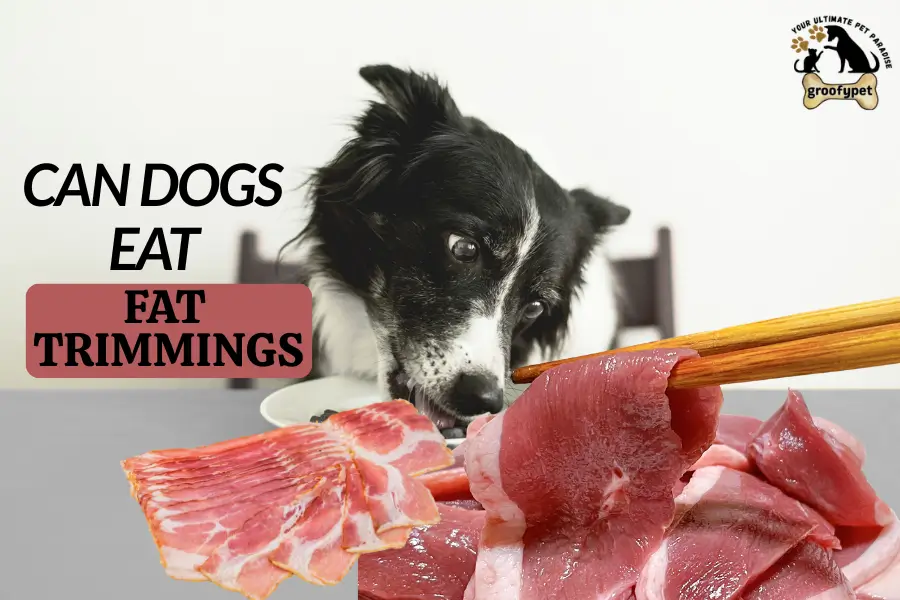
Dog owners often ask can dogs eat fat trimings when they cut meat at home or clean plates after dinner. The short answer is no in most cases. A tiny bite may not harm every healthy dog, but that does not make it safe. Fat trimmings are very rich, very greasy, and hard on many dogs’ stomachs.
They can lead to dog vomiting after eating fat, loose stool, stomach pain, and even pancreatitis in dogs. Many owners think dogs can handle scraps because dogs love meat, but love for food does not mean the body can process it well.
If you searched can dogs eat fat trimings because your dog already ate some, this guide will help you understand the risks, the warning signs, and the safer choices you can make next time.
Can dogs eat fat trimings?
When people ask can dogs eat fat trimmings, they usually want a simple yes or no. The safest answer is no. Dogs need some fat in their daily food, but they need it in the right amount and in a balanced form. A pile of meat fat from the kitchen does not give balanced nutrition.
It gives a heavy load of grease that can upset the stomach very fast. Some dogs seem fine after one small bite, but many dogs do not react well to fat trimmings for dogs at all. One dog may vomit within hours, while another may look quiet and then develop pain later in the day.
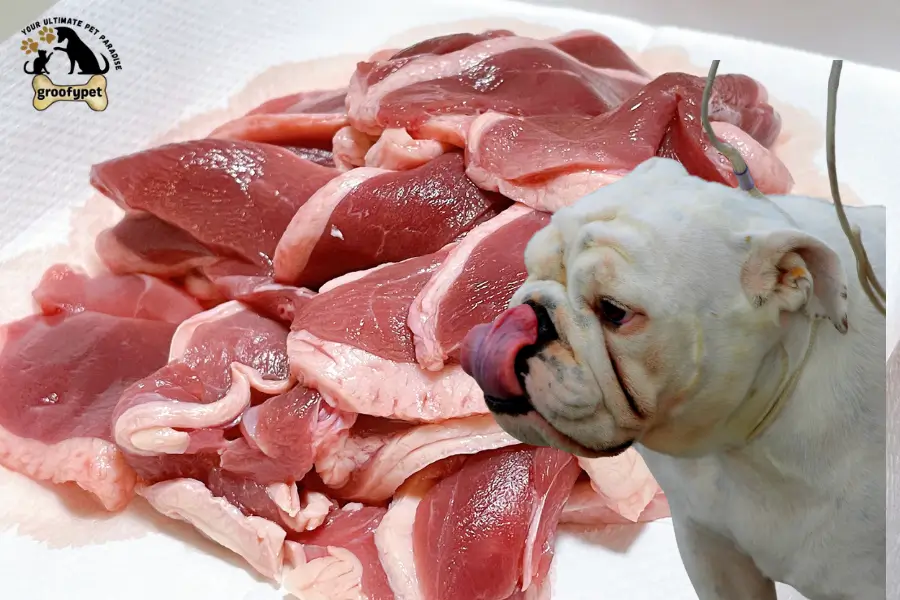
That is why vets tell owners to avoid table scraps and keep human leftovers out of the dog bowl. If you keep asking can dogs eat fat trimings, the better question is whether the risk is worth it, and in most homes it is not.
Many owners think these pieces are a nice reward because they come from real meat and smell good to dogs. The problem is that leftover meat fat is still a high fat scrap, and dogs do not need it to stay healthy.
These trimmings may also have salt, butter, oil, garlic, onion, gravy, or other seasonings on them. That makes them even harder on the body. Both raw fat trimmings and cooked fat trimmings can cause trouble, so they should not become a regular part of a dog’s diet.
Why fat trimmings can be bad for dogs?
The main reason fat trimmings are bad for dogs is simple. They put too much fat into the body all at once. That can overwhelm digestion and trigger a strong reaction in the stomach and pancreas. Dogs do need fat, but a good dog food already gives the proper amount.
Extra kitchen fat does not help and often causes harm. A dog that eats rich scraps may deal with upset stomach in dogs, vomiting, diarrhea after fatty food, and belly pain. If the dog keeps eating fatty leftovers over time, those extra calories can also lead to weight gain in dogs and later obesity in dogs.
Some scraps also come with gristle, skin, or hidden bone pieces, which creates another layer of danger. So when people search can dogs eat fat trimings, they should know the issue is not just mess or bad manners at the table. It is a real health concern.
1. Upset stomach and loose stool
One of the most common problems after a dog eats greasy meat is stomach upset. The dog may start licking the lips, pacing, drooling, burping, or refusing food. Those signs often show up before the vomiting begins. Soon after, the dog may throw up or have loose stool.
Some dogs pass gas and act restless because the belly feels uncomfortable. A rich fatty scrap can irritate the stomach lining and move too heavily through digestion. That is why greasy leftovers often lead to a rough night for both the dog and the owner.
If diarrhea continues, the dog may lose fluids and become weak. Even a small serving of steak fat or roast drippings can trigger this problem in a sensitive dog. This is one clear reason why can dogs eat fat trimings should usually be answered with no.
2.Pancreatitis risk
The biggest danger linked with fat trimmings is pancreatitis in dogs. The pancreas helps the body digest food and manage blood sugar. When a dog eats too much fat, the pancreas can become inflamed and painful. This condition may start suddenly and become serious very fast.
A dog with pancreatitis may vomit many times, stop eating, refuse water, shake, or stand in a hunched position because the belly hurts. Some dogs also become weak and quiet, while others cry when touched.
Vets often see these cases after holidays because dogs get table scraps, turkey skin, roast drippings, or bacon grease from family meals. If your dog seems painful after eating rich food, do not wait to see if it passes. Quick vet care matters because dog pancreatitis symptoms can worsen in a short time.
3. Weight gain and long term health problems
Fatty scraps cause more than short term stomach trouble. They can also create long term health problems when owners give them often. A small amount of fat trimmings carries many calories, and dogs eat it quickly because it tastes good.
That means extra calories build up before owners notice the weight gain. Over time, this habit can lead to obesity in dogs, lower energy, and more stress on the joints and heart. Extra body weight also makes exercise harder and can raise the chance of other health issues later.
Dogs do not need this kind of calorie load from the dinner table. They do much better with measured meals and a few safe treats. So when owners ask can dogs eat fat trimings, they should think beyond one meal and look at the long term picture too.
Raw fat trimmings vs cooked fat trimmings
Some owners believe raw fat trimmings are safer because they seem more natural. Others believe cooked fat trimmings are safer because heat kills bacteria. In truth, neither choice is a good option for dogs.
Raw scraps may carry bacteria or parasites that upset the stomach and spread germs around the kitchen. Cooked scraps still contain a heavy amount of fat, and they often come with salt, oil, butter, pepper, garlic, or onion. Those added ingredients make the food even less safe.
Some owners ask can dogs eat fat trimmings if they are plain and unseasoned, but the fat itself is still the problem. Whether the trim came from beef, pork, or chicken, the body still has to process that grease. Dogs gain no real health benefit from these scraps, so there is no good reason to take the risk.
Which dogs face the biggest risk?
Not every dog reacts in the same way to fatty food, but some dogs face a much higher risk than others. Small dogs can struggle because even a little piece feels like a bigger portion to their body. Puppies can get sick quickly because their digestive system is still developing.
Senior dogs may also react badly because digestion often becomes more sensitive with age. Dogs that already have a sensitive stomach or a history of dog digestive problems are poor candidates for any rich scraps. The highest risk group includes dogs that had pancreatitis in dogs before, since the illness can return.
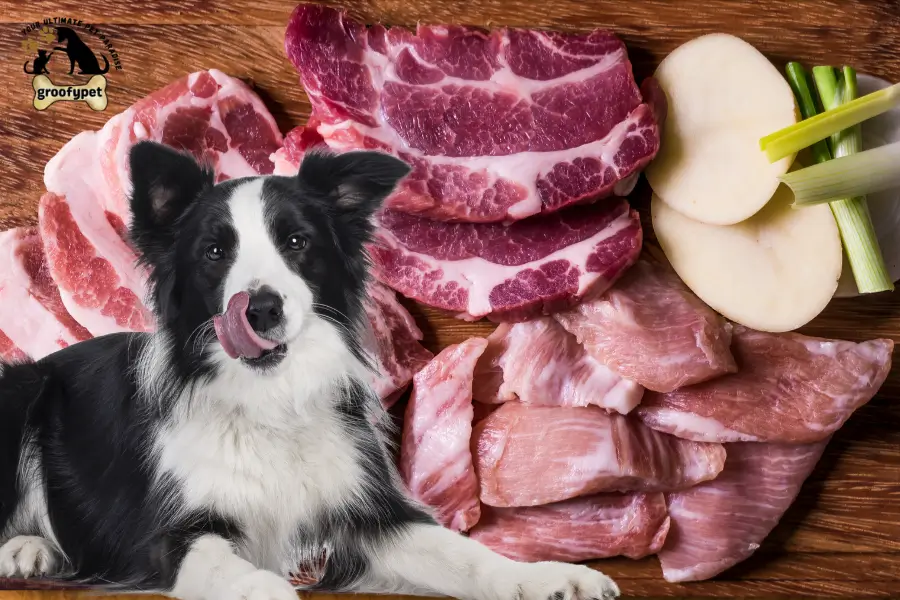
Overweight dogs and dogs with diabetes or other health concerns also need a careful diet. So if you ask can dogs eat fat trimmings for a puppy, a senior dog, or a dog with past illness, the answer becomes an even stronger no.
Puppies and senior dogs
Puppies need food that supports growth, steady energy, and healthy digestion. A greasy scrap from the table does none of that. It can upset the stomach fast and leave the puppy with vomiting, loose stool, and weakness.
Because puppies are smaller, they can also lose fluids more quickly when diarrhea starts. Senior dogs need care for a different reason. Many older dogs digest food more slowly and may already have hidden health issues. Their bodies often do not handle rich scraps well.
A small amount of fat trimmings can turn into a big problem by evening. Owners often feel tempted to spoil older pets with tasty leftovers, but that kindness can backfire. If you are still asking can dogs eat fat trimmings for a young or old dog, plain and simple food is always the safer path.
Overweight dogs and dogs with health issues
Overweight dogs already carry extra stress in the body, and rich scraps make that burden worse. More fat means more calories and more pressure on the pancreas. Dogs with diabetes, bowel trouble, or past stomach illness often need a steady routine that does not change from day to day.
A random piece of beef fat trimmings or pork fat trimmings can throw that routine off very quickly. Dogs with a history of dog vomiting after eating fat are also telling you something important. Their body does not tolerate rich food well.
In these cases, owners should not experiment with leftovers from the kitchen. Instead, they should use vet guided feeding and simple treats that match the dog’s health needs. When the dog already has health issues, the question can dogs eat fat trimmings should be answered with extra care.
Signs to watch after a dog eats fat trimmings
- If your dog steals a fatty scrap, watch closely for changes over the next several hours.
- Some dogs react right away, while others do not show trouble until later.
- Early signs can include lip licking, drooling, pacing, burping, or refusing the next meal.
- You may also notice low energy or a strange posture that shows belly discomfort.
- As the problem grows, vomiting and diarrhea may begin.
- A dog in pain may hunch the back, cry when touched, or avoid lying down.
- A swollen belly, shaking or deep weakness can point to something more serious.
- When owners ask can dogs eat fat trimmings after a kitchen accident, these signs are what matter most.
- Watching early and acting early can help prevent a bad outcome.
Mild signs you may notice first
Mild signs can be easy to miss if you are not paying attention. Your dog may walk around the room and seem unable to settle. The dog may lick the lips often or drool more than usual. Some dogs look at food and then walk away, which often means the stomach already feels off.
Soft stool may appear later in the day or during the night. Gas and burping can also happen after greasy food. These signs may seem minor, but they tell you that the body is struggling to handle the fat. At this stage, stop all treats and do not offer more human food.
Give fresh water and keep watch. Even if the problem seems small at first, dog ate steak fat or roast drippings can still turn into a bigger issue.
Serious signs that need fast help
Serious signs need quick action because they may point to pancreatitis in dogs or severe stomach trouble. Repeated vomiting is a major warning sign and should never be ignored. If your dog cries, shakes, pants, or hunches while standing, the belly may be very painful.
A dog that refuses water or looks weak can become dehydrated fast. Some dogs develop a swollen abdomen and do not want to move at all. Others seem dull and distant and stop responding like they normally do. If these signs appear after your dog ate fat trimmings, call a vet right away.
Many owners search can dogs eat fat trimings in panic after seeing these symptoms, but once pain starts, fast medical advice is the best next step.
What to do if your dog eats fat trimmings?
If your dog eats a fatty scrap, stay calm and focus on simple steps. First, try to see how much your dog ate and what kind of meat it came from. Think about whether the scrap had seasoning, bones, skin, gravy, or extra grease on it. Then remove all other food from reach so the dog cannot eat more.
Keep fresh water nearby and let your dog rest in a quiet place. Do not try random home fixes and do not offer extra snacks to settle the stomach. Instead, watch closely for vomiting and diarrhea, belly pain, weakness, or loss of appetite.
If your dog is a puppy, a senior, a small breed, or has a history of pancreas trouble, call your vet early. Many people ask can dogs eat fat trimmings after the dog already swallowed some, and what you do next can make a real difference.
When you should call a vet right away?
You should call a vet right away if your dog ate a large amount of fat trimmings or any greasy food with seasoning. Salt, butter, garlic, onion, and rich sauces make the risk higher. You should also call if your dog vomits more than once, keeps having diarrhea, stops drinking, or looks painful.
A hunched back, shaking, weakness, or a bloated belly are all serious warning signs. Dogs that had pancreatitis in dogs before need extra caution because the condition can come back. Very small dogs and older dogs can also decline faster than healthy adult dogs.
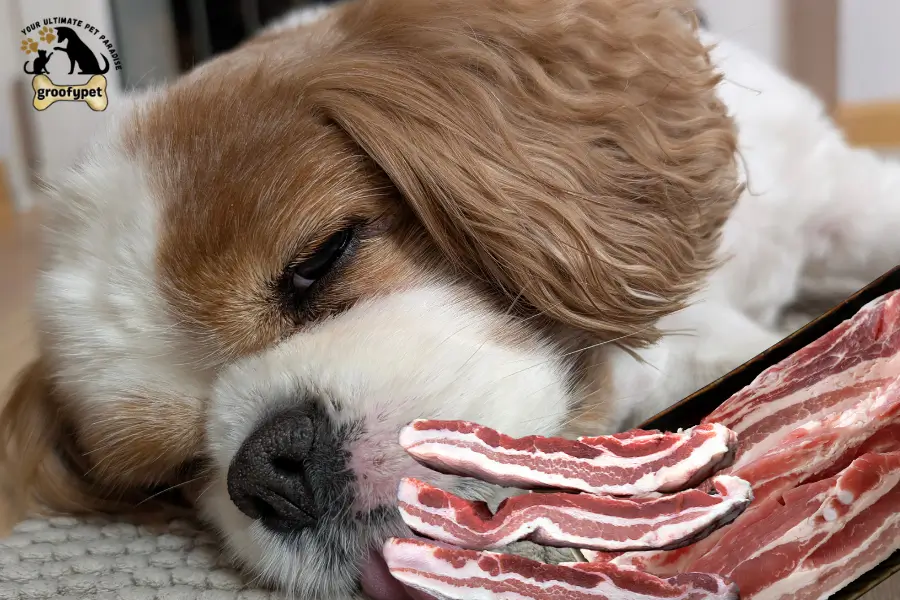
If you are not sure what counts as enough to worry about, call anyway. Vets would rather answer a simple food question early than treat a worse problem later. When it comes to can dogs eat fat trimings, quick advice is better than waiting too long.
Can dogs eat steak fat pork fat or chicken skin?
Owners often hope that one type of fat is safer than another, but the main risk stays the same. Steak fat is rich and can upset digestion very easily. Pork fat trimmings often feel even heavier and may come with strong seasoning from the pan.
Chicken skin looks small and harmless, but it still contains fat and often carries salt or oil from cooking. Turkey skin creates the same problem during holidays, which is why many dogs get sick after family dinners.
Bacon grease may be the worst choice of all because it mixes very high fat with a lot of salt. So when people ask can dogs eat fat trimings from beef, pork, steak, or chicken, the answer still stays no. If you want to share meat with your dog, use plain lean pieces with the visible fat removed.
Safer treats and better choices
- Dogs can enjoy treats without eating risky scraps from your plate.
- One of the best options is lean meat for dogs, such as plain cooked chicken without the skin or plain turkey with the fat removed.
- Small bits of extra lean beef can also work if they are cooked plain and served in moderation.
- Some dogs enjoy healthy produce like carrots, blueberries, or apple slices without seeds.
- Plain pumpkin is another gentle option that many dogs handle well.
- You can also use store bought treats made for dogs if you want something quick and measured.
- These choices support a low fat diet and reduce the risk of upset stomach in dogs.
- When owners ask can dogs eat fat trimmings the smarter answer is to offer safe treats that still feel special without hurting the stomach.
How to stop table scraps at home?
Many food accidents happen because dogs learn that the kitchen and dining table are easy places to score treats. If you want to stop this habit, everyone in the home needs to follow the same rules. Feed your dog on a regular schedule so hunger does not fuel begging during your meals.
Keep counters clear and use a closed trash can so the dog cannot steal leftover meat fat when no one is looking. Ask family members and guests not to share table scraps, even when the dog looks cute and hopeful. Reward calm behavior away from the table with a toy or a healthy dog treat.
Over time, your dog will stop expecting grease from your plate. This simple routine protects your pet and helps prevent the same problem from happening again.
Can dogs eat fat trimmings raw?
Dogs should not eat raw fat trimmings. Raw fat looks natural to some owners, but that does not make it safe. It still has a very high fat content, and it can upset a dog’s stomach fast. Raw fat can also carry bacteria and parasites, which may make your dog sick. Some dogs may vomit, get diarrhea, or show signs of stomach pain after eating it.
The risk becomes even higher in puppies, senior dogs, and dogs with weak digestion. Raw scraps also do not give balanced nutrition, so there is no real health benefit. If your dog eats raw fat trimmings, watch for signs like vomiting, drooling, weakness, or refusing food, and call your vet if symptoms begin.
Can dogs eat beef fat trimmings?
Dogs should not eat beef fat trimmings as a regular treat. Beef fat is rich, heavy, and hard for many dogs to digest well. A small bite may not harm every dog, but larger amounts can cause trouble very quickly. Dogs that eat beef fat trimmings may develop stomach upset, loose stool, gas, or vomiting.
In more serious cases, too much beef fat can lead to pancreatitis, which is a painful health problem that needs quick vet care. Many owners think beef fat is fine because it comes from real meat, but that idea can be risky. Dogs do better with small pieces of plain lean beef instead of the fatty parts. If you want to share meat, trim away the fat and keep the portion small.
Can dogs eat raw beef fat trimmings?
Dogs should not eat raw beef fat trimmings because they carry two clear risks. First, the fat itself is too rich and can lead to stomach trouble. Second, raw beef may contain harmful bacteria that can upset your dog and spread around your home. Some dogs may seem fine at first, but they can start vomiting or acting tired later in the day.
Raw beef fat also puts extra stress on the pancreas, especially in dogs with a sensitive stomach. Small dogs and overweight dogs may react even faster because their bodies handle fatty food poorly. Raw beef fat trimmings are not a smart or healthy treat. Plain cooked lean beef is a much safer option if you want to give your dog meat.
Why can’t dogs eat fat trimmings?
Dogs should not eat fat trimmings because the fat level is simply too high. Their body may struggle to break down that much grease at once, which can lead to vomiting, diarrhea, and stomach pain. Fat trimmings can also trigger pancreatitis, and that is one of the biggest reasons vets warn against them.
This condition causes swelling in the pancreas and can become serious very quickly. Fat trimmings also add many calories, so regular feeding can lead to weight gain and long term health problems. Cooked trimmings may also contain salt, oil, butter, garlic, or onion, which makes them even worse.
Dogs need fat in their diet, but they need it in the right amount from balanced dog food. Loose scraps from the table are not a safe way to give that fat.
Can dogs eat cooked fat trimmings?
Dogs should not eat cooked fat trimmings. Many owners think cooked fat is safer than raw fat because the meat has been heated, but the main problem is still the fat itself. Cooked trimmings are often greasy, rich, and full of calories.
They may also have seasoning, gravy, or pan oil on them, and those extras can upset a dog even more. A dog that eats cooked fat trimmings may vomit, have diarrhea, or show signs of belly pain later. Some dogs may also become weak or refuse food if the stomach upset gets worse.
Cooked fat does not offer much value for dogs, and the risks are much higher than the benefits. Plain lean cooked meat is always a better choice.
Can dogs eat cooked beef fat trimmings?
Dogs should not eat cooked beef fat trimmings because they are still very rich and greasy. Cooking does not remove the fat, and it does not make the trimming easy for a dog to digest. In fact, cooked beef fat often comes with salt, butter, oil, or seasoning from the pan, and that makes it even harder on the stomach.
Some dogs may eat it and seem normal at first, but later they may start drooling, vomiting, or passing loose stool. Large amounts can raise the risk of pancreatitis, especially in small dogs, older dogs, and dogs with past stomach issues. Cooked beef fat trimmings are not a healthy treat and should not be given on purpose. If you want to share beef, choose a plain lean piece without visible fat.
Are fat trimmings good for dogs?
Fat trimmings are not good for dogs. Dogs do need some fat in their daily diet, but they should get that fat from complete and balanced dog food. Fat trimmings from the kitchen give too much fat in one serving and do not provide balanced nutrition.
They can upset the stomach, add extra calories, and increase the risk of serious digestive problems. Some owners think fat gives dogs more energy, but too much fat can do the opposite and make them sick. Over time, regular fatty scraps can lead to weight gain and poor health.
There are much better ways to treat a dog, such as plain lean meat, carrots, pumpkin, or dog treats made for daily use. So no, fat trimmings are not a good food choice for dogs.
Can dogs eat fat balls?
Dogs should not eat fat balls, especially the kind made for birds. Bird fat balls often contain suet, seeds, fillers, and other ingredients that are not meant for dogs. They are very high in fat and may upset the stomach quickly. Some types also contain added flavoring or other ingredients that can make dogs sick.
If a dog eats a fat ball, the dog may vomit, get diarrhea, or show signs of belly pain. In large amounts, the fat can also raise the risk of pancreatitis. If your dog steals one by accident, keep an eye on behavior, appetite, and stool. Call your vet if your dog seems sick or if the fat ball had unusual ingredients.
Can dogs have fat trimmings?
Dogs should not have fat trimmings as a normal part of their diet. A lot of people give scraps to dogs because they want to avoid waste or make the dog happy. That habit can cause problems because dogs often react badly to greasy meat fat.Fat trimmings can lead to vomiting, diarrhea, stomach pain, and weight gain over time.
Some dogs face an even bigger risk because they are small, old, overweight, or have a history of digestive issues. Even if one dog seems fine after eating a little, another dog may get sick from the same amount.That is why vets usually say no to fat trimmings. Safer treats give your dog the same joy without the same health risk.
Can dogs eat fat?
Dogs can eat some fat in their diet, but that does not mean they should eat extra fat from the table. Good dog food already contains the right amount of fat for energy, skin health, and body function. Problems start when dogs eat too much fat at one time or get fatty scraps often. Too much fat can cause an upset stomach, vomiting, diarrhea, and in some dogs, pancreatitis.
Fat also adds many calories, so it can lead to weight gain if owners feed it often. The key point is simple. Dogs need controlled fat from proper food, not random greasy leftovers from human meals. If you want to feed your dog well, focus on balance instead of extra richness.
Giving dogs fat trimmings is not a good idea, even if your dog begs for them. Many dogs love the smell and taste of meat fat, but their body may not handle it well. A fatty scrap can turn into stomach trouble within hours, and some dogs develop serious pain after eating too much.
The danger grows when the trimming comes from seasoned meat or food cooked in butter or oil. Giving dogs fat trimmings often can also lead to long term weight gain and poor eating habits. Dogs start to expect table food, and that makes it harder to keep meals healthy and regular. If you want to give your dog a special treat, choose plain lean meat in a small amount. That gives flavor without the same level of risk.
- Dogs should not eat fat trimmings, whether they are raw, cooked, beef, or from another meat.
- Fatty scraps can upset the stomach and may lead to pancreatitis in dogs.
- They also add extra calories and often come with unsafe seasoning.
- The safest choice is plain lean meat with the fat removed.
- If your dog eats fat trimmings by accident, watch closely for vomiting, diarrhea, weakness, or belly pain and call your vet if symptoms start.
Frequently Asked Questions
Can dogs eat fat trimings if the amount is very small?
A very small bite may not harm every healthy dog, but it still is not a good treat. Some dogs react badly even after one greasy piece, especially if they have a sensitive stomach. A tiny amount can still lead to dog vomiting after eating fat or loose stool later in the day. That is why the answer to can dogs eat fat trimings stays no for regular feeding.
How long after eating fat will a dog get sick?
Some dogs show symptoms within a few hours, while others react later the same day. The first signs often include lip licking, drooling, refusing food, or restlessness. Vomiting and diarrhea may start after that. If your dog ate fat trimmings, it is smart to watch closely for at least the next twenty four hours.
Can puppies eat fat trimmings?
Puppies should not eat fat trimmings because their digestive system is still developing. They can get upset stomach, vomiting, and dehydration more quickly than many adult dogs. Puppies need balanced food that supports growth and steady health. Rich scraps from the kitchen do not help and can create a real problem fast.
Is steak fat safer than bacon grease?
Neither one is a safe choice. Steak fat is still rich and hard to digest, and bacon grease adds extra salt on top of heavy fat. Both can trigger upset stomach in dogs and raise the risk of pancreas trouble. If you want to share meat, use plain lean pieces instead.
What meat can dogs eat safely?
Dogs can usually eat small amounts of plain cooked lean meat. Good examples include chicken, turkey, or lean beef with the visible fat removed. Do not add butter, onion, garlic, or heavy seasoning. That gives your dog protein without the danger linked to fat trimmings for dogs.
Can fat trimmings cause death?
Most dogs recover from a small mistake, but serious cases can become dangerous. Severe pancreatitis in dogs can lead to strong pain, dehydration, and other major problems. The risk rises when a dog eats a large amount or already has health issues. That is why owners should take the warning signs seriously and call a vet when needed.
Final Thoughts
If you still wonder can dogs eat fat trimmings, the safest and smartest answer is no. These scraps may look tasty and harmless, but they can cause real stomach trouble and even serious pancreas pain. The danger becomes higher when the scraps are greasy, seasoned, or given often.
Dogs do best with balanced meals, safe treats, and plain lean protein in small amounts. If your dog eats fat trimmings by accident, watch closely for signs like vomiting, diarrhea, weakness, or belly pain, and call your vet if symptoms appear.
Simple choices at home can prevent a painful emergency later. Your dog does not need rich leftovers to feel loved. Your dog needs safe food, steady care, and a routine that protects long term health.
Can Dogs Eat Pastrami? Risks, Benefits and Safe Alternatives!
How Much Water Should a Dog Drink in One Sitting? Explained Simply!