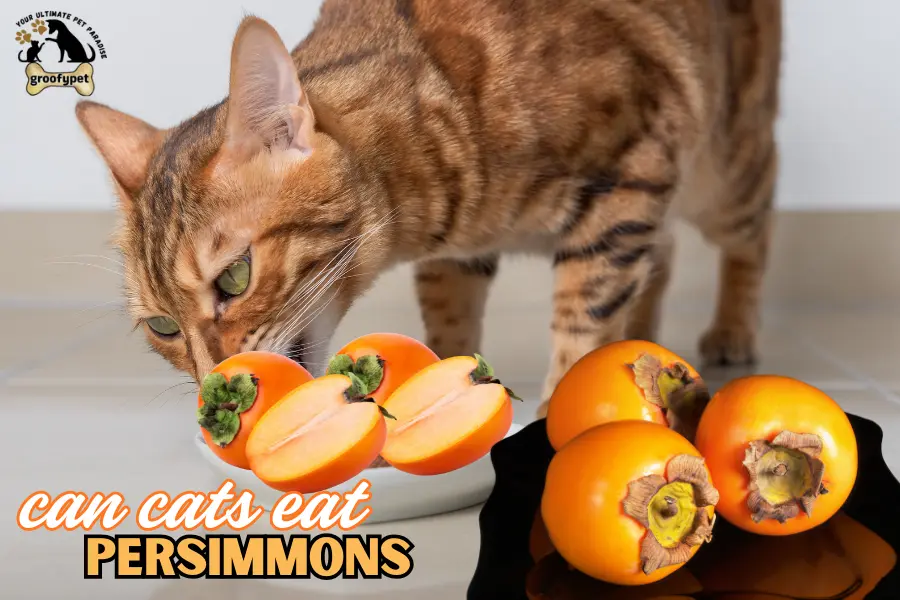
Many cat owners think can cats eat persimmons. Persimmons are sweet, orange fruits. People enjoy them as snacks or in desserts. But cats are different. Cats are mainly carnivores. Their stomachs are made to digest meat.
Fruits like persimmons are not natural for them. Giving persimmons to cats needs care. In small amount it may be safe. Too much can cause problems. In this guide we will explain everything about cats and persimmons.
People eat persimmons fresh or cooked. They are rich in vitamins like vitamin A and vitamin C. Persimmons also have fiber. Cats usually do not eat fruits in nature. But some cats may show curiosity about the fruit.
Understand the fruit helps owners make safe choices. Always remove seeds before giving persimmons to pets. Seeds can cause stomach issues.
Are persimmons safe for cats?
Cats can eat persimmons in very small amount. The fruit flesh is usually safe. Seeds and skin are not safe. Persimmons have natural sugar. Too much sugar can upset a cat stomach. Cats do not need fruits for nutrition. Their bodies get energy mainly from meat.
Persimmons are not toxic but they are not necessary. Some cats may like the taste. Others may ignore it. Feeding persimmons should be an occasional treat not a regular food. Always monitor your cat after giving new foods.
Main fruit feeding guidelines and veterinary advice
Cats can have fruits as a rare treat, but it is important to know which fruits are safe. Fruits should only be given in very small amounts. Safe fruits can add a little variety and some nutrients to their diet. Some fruits that are usually safe for cats include:
- Blueberries: They are full of antioxidants and low in calories. Cats may enjoy them as a small snack.
- Watermelon: This fruit has a lot of water, which can help keep your cat hydrated. Always remove the seeds first.
- Apples (without seeds): Apples have fiber and vitamin C. Peel the skin and remove the core before offering small pieces.
Some fruits should never be given to cats because they are dangerous. Grapes and raisins can damage their kidneys. Citrus fruits like lemons, limes, and oranges can cause stomach upset and affect the nervous system because of toxic oils. Always check with your veterinarian before introducing new foods to your cat.
How to feed persimmons to cats safely?
Feed persimmons only in very small pieces. Remove all seeds and skin. Cut the fruit into tiny bite size pieces. Offer the fruit once in a while. Watch your cat for any unusual reactions. Do not mix with other sugary foods. Avoid giving persimmon drinks or jams.
Always give fresh persimmons not canned or processed. Introduce the fruit slowly so the stomach can adjust. If your cat refuses the fruit do not force it. Safety comes first.
Signs your cat ate too much persimmon
Cats may show signs if they eat too much persimmon. Vomiting is common. Diarrhea may appear a few hours later. Your cat may lose appetite. Stomach may look bloated. Cats may become lethargic or tired. Some cats show restlessness or discomfort.
Watch for unusual behaviors. If symptoms persist contact a veterinarian. Early attention prevents serious health issues.
Alternatives to persimmons for cats
Some fruits are safer than persimmons. Blueberries, watermelon or cantaloupe can be occasional treats. Small amount of cooked pumpkin or sweet potato are also safe. Avoid grapes, raisins or citrus fruits. These can harm cats.
Commercial cat treats are a better choice for regular rewards. Fruits should never replace cat food. Safe alternatives give cats a treat without risk. Cats enjoy a variety of textures. Always observe reactions when giving new foods.
Why cats are sensitive to fruits?
Cats are carnivores. Their stomachs are designed to digest proteins and fats. Fruits have sugars and fibers that cats do not need. Cats cannot taste sweetness like humans. Fruits may cause digestive issues. Some cats may have food sensitivities.
Too much fruit can upset gut health. Introduce fruits in small amount if needed. Always prioritize meat based diet. Sensitivity explains why some cats react badly to persimmons.
Signs of fruit allergies in cats
- Some cats may have allergies to fruits.
- Signs include itching and redness.
- Swelling of lips or tongue may appear.
- Vomiting or diarrhea is also a symptom.
- Cats may cough or sneeze.
- Some cats become restless or refuse food.
- Allergies may appear immediately or after hours.
- Always stop feeding the fruit if any of sign appear.
- Contact a vet for severe reactions. Observation keeps your cat safe.
Nutritional benefits of persimmons
Persimmons contain vitamin A which supports vision. They have vitamin C for immunity. Fiber helps in smooth digestion. Antioxidants protect cells from damage. Low calorie fruit is suitable for small tasting. Persimmons contain sugar which cats do not need.
Minerals like potassium support heart and muscles. Nutrients are minor for cats but can be a tiny treat. Always limit the quantity for safety.
Homemade cat treats with fruits
You can make safe treats with small fruit pieces. Use blueberries, pumpkin or cantaloupe. Mix with cooked chicken or fish. Avoid adding sugar or salt. Keep pieces tiny for easy chewing. Homemade treats give mental stimulation.

Cats enjoy new textures. Never use persimmons often. Observe reactions each time. Homemade treats help build bonding time with your cat.
Benefits of Persimmons for Pets (Only the Soft Flesh)
If fed in very small amounts, persimmons have some benefits. These benefits apply only to small amounts of ripe persimmon flesh. Not seeds, not skin, not leaves.
1. Good source of vitamins
Persimmons have vitamin A and vitamin C. These vitamins support eye health and skin health. They also help the immune system stay strong. Small bites may give vitamin support.
2. Rich in fiber
The fruit has natural fiber. Fiber helps with smooth digestion. It supports healthy bowel movement in pets. Only small amounts should be given.
3. Natural energy boost
Persimmons have natural sugars. These sugars give quick energy. Pets may feel more active after a small safe bite.
4. Helps with hydration
Ripe persimmons have high water content. This helps pets stay hydrated. It is helpful during warm weather.
5. Supports heart health
The fruit has small amount of potassium. Potassium supports heart health. It also helps with muscle function.
6. Antioxidant support
Persimmons have antioxidants. These help fight stress in the body. They support cell health and overall health.
7. Gentle on the mouth
Ripe persimmons are soft. Pets chew them easily. Older pets with weak teeth handle the soft texture.
8. Low-fat treat
The fruit has very little fat. This makes it safer than fatty treats. It works well for pets that need low fat snacks.
9. Supports healthy coat
Vitamins in persimmons may support skin and coat health. The coat may look shiny when pets eat healthy foods.
10. Helps picky eaters
Some pets enjoy the sweet smell. This encourage picky eaters to try new food. Small bites help them feel more interested in eating.
Always give only a small piece. Benefits are limited because cats are designed to eat meat. Never rely on persimmons for daily nutrition.
Risks of Persimmons for Pets
There are many risks when feeding menudo to dogs. Spicy menudo causes stomach pain. Dogs may vomit because their bodies reject the food.These risks are serious. Most apply to seeds, skin, leaves and large amount of fruit.
1. Choking hazard from seeds
Persimmon seeds are hard and slippery. Pets can choke on them. This makes seeds very unsafe.
2. Intestinal blockage
Seeds and skin block the stomach or intestines. This may cause pain. Pets may need emergency vet care.
3. High sugar
Persimmons have a lot of natural sugar. Too much sugar cause diarrhea. It can also lead to weight gain.
4. Stomach upset
Large amount of persimmons upset the stomach. Pets may vomit or have loose stool. Some pets react to even small bites.
5. Unsafe for diabetic pets
Sugar increases blood sugar levels fast. This is dangerous for diabetic pets. They should not eat persimmons at all.
6. Leaves are toxic to pets
Persimmon leaves can upset digestion. They may cause vomiting or irritation. Some pets get sick after chewing leaves.
7. Not safe for cats with sensitive stomachs
Cats have very delicate stomachs. Persimmons may cause gas or discomfort. Some cats cannot handle fruit at all.
8. Risk of allergic reactions
Some pets may be allergic to the fruit. They may show itching, swelling or stomach problems. Allergic reactions need care.
9. Unripe persimmons cause strong stomach upset
Unripe persimmons are bitter. They cause severe vomiting in pets. They may also cause intestinal blockage.
10. Pets may ask for sweet foods
Sweet fruits make pets crave sugars. This leads to unhealthy eating habits. It is better to keep sweet foods rare.
Always introduce the fruit slowly and observe your cat.
Can cats eat dried persimmons?
Cats should not eat dried persimmons. Dried persimmons have a lot of sugar. This can upset a cat’s stomach. Some cats get vomiting or diarrhea after eating sweet dried fruit. The texture is also sticky and hard to chew. It can cause choking in small cats. The fruit skin may also cause blockage in the stomach. So it is best to keep dried persimmons away from cats.

Can cats eat fuyu persimmons?
Cats should not eat fuyu persimmons. Fuyu persimmons are sweet and full of sugar. Cats cannot digest sugar well. This fruit may cause stomach upset. Some cats also react to the skin and seeds. These parts may cause choking or blockage. Cats do not need fruit in their diet because they are meat eaters. So it is safer to avoid giving fuyu persimmons.
Are persimmons safe for cats?
Persimmons are not safe for cats. They have seeds and skin that can cause stomach problems. The fruit is also very sweet. Cats do not handle sugar well. This may lead to vomiting or loose stool. Some cats also get tummy pain after eating persimmons. So it is best to keep this fruit away from your cat.
What fruits can persian cats eat?
Persian cats can eat only a few safe fruits. These include small amounts of banana, apple without seeds, watermelon without seeds, and blueberries. These fruits must be soft and cut into very small pieces. Cats should eat fruit only as a rare treat. Fruit should never replace their main food. Persian cats are meat eaters so they need protein more than fruit
Can cats eat paratha?
Cats should not eat paratha. Paratha has oil, butter, and salt. These can upset a cat’s stomach. The dough is heavy and hard for cats to digest. Some parathas also have spices or fillings that are unsafe. Eating paratha may cause vomiting or diarrhea. It can also make cats gain weight. So it is best to avoid giving paratha to cats.
Can I eat persimmon fruit during pregnancy?
Yes you can eat persimmon fruit during pregnancy but only in small amounts. Persimmons have vitamins and fiber that support health. But they also have natural sugar. Eating too much may raise blood sugar levels. The fruit is safe when washed and eaten fresh. Do not eat the seeds. Always keep portions small and balanced.
Can cats eat persimmon leaves?
Cats should not eat persimmon leaves. The leaves are tough and hard to digest. They may cause stomach blockage. Some leaves also carry natural chemicals that may upset a cat’s stomach. Cats may chew leaves out of curiosity but this is unsafe. Keep persimmon leaves away from your cat.
Can cats eat halwa?
Cats should not eat halwa. Halwa has sugar, ghee, butter, and nuts. These ingredients are not safe for cats. Sugar may cause stomach upset. Ghee and butter are too heavy for cats. Some halwa also has cardamom or other spices that harm cats. Eating halwa may cause vomiting or diarrhea. It can also make cats gain weight. So keep halwa away from cats.
Can cats eat persimmons seeds?
Cats should not eat persimmon seeds. The seeds are hard and sharp. They can cause choking. They can also get stuck in the stomach or intestines. This can cause pain and blockage. Seeds also have natural chemicals that may upset a cat’s stomach. So always remove seeds and keep them away from your cat.
Can cats eat persimmon leaves?
Cats should not eat persimmon leaves. The leaves are tough and hard to chew. They can irritate the stomach. Some cats may vomit after eating leaves. The leaves may also cause blockage if swallowed whole. Cats chew plants out of curiosity but persimmon leaves are not safe. Keep them out of your cat’s reach.
Can dogs eat persimmons?
Dogs can eat small amounts of ripe persimmon flesh. The soft part is safe in tiny bites. But the seeds and skin are not safe. They can cause choking and blockage. Unripe persimmons can upset a dog’s stomach. Too much fruit may also cause diarrhea because of the sugar. So only give soft ripe pieces and keep them small. Remove all seeds before serving.
Can cats eat grapes?
Cats should never eat grapes. Grapes can harm the kidneys. Even a small amount may cause serious problems. Some cats vomit within hours. Others may feel weak or stop eating. Grapes and raisins are both unsafe for all cats. Keep all grape products away from them.
Persimmon seeds
Persimmon seeds are unsafe for pets. They are hard and slippery. Pets may choke while trying to swallow them. The seeds can block the intestines. This may cause pain and may need vet care. Seeds also have natural chemicals that can upset the stomach. Always remove persimmon seeds before giving the fruit to pets or eating it yourself.
When to consult a vet?
Consult a vet if your cat eats seeds or too much persimmon. Vomiting, diarrhea, or bloating are warning signs. Allergic reactions need immediate attention. Vets can give advice on safe fruits. They also guide on treating digestive issues. Always ask before introducing new foods. Early consultation prevents complications. Vets ensure long-term health. Safety should always be a priority.
Importance of veterinary consultation
Before giving your cat any new food it is very important to talk to a veterinarian. Vets have the knowledge to give advice that fits your cat needs. They can explain how new foods, like fruits, may affect your cat’s health.
A veterinarian can also guide you on the safest way to introduce fruits into your cat diet. Consulting a vet helps prevent health problems and keeps your cat happy and healthy.
Frequently Asked Questions
Can kittens eat persimmons?
Kittens have sensitive stomachs. Persimmons are not recommended for them.
Can cats eat persimmon leaves or skin?
No. Leaves and skin can cause digestive problems.
How much persimmon is safe for a cat?
Only a tiny piece once in a while. Do not feed often.
Can persimmons cause long term health problems?
Yes. Too much sugar or seeds cause obesity or blockages.
What should I do if my cat eats persimmon seeds?
Contact a veterinarian immediately. Watch for vomiting or diarrhea.
Can persimmons help a cat digestion?
Small amount of flesh may help due to fiber. But benefits are limited.
Are all persimmons safe for cats?
Only flesh of ripe persimmons is safe. Avoid unripe or soft jelly types.
Can cats taste the sweetness of persimmons?
Cats have fewer taste receptors for sweetness. They may not enjoy it.
How often can I give persimmons to my cat?
Rarely, only as a tiny treat. Once in a while is enough.
Can persimmons replace cat treats?
No. Cats need protein treats. Persimmons are only occasional fruit snacks.
Final Thoughts
Persimmons are not toxic for cats but are not necessary. Only feed small pieces of flesh. Avoid seeds, skin, and leaves. Watch for digestive upset or allergies. Cats get energy from meat not fruits. There are safer fruits and healthy treats. Homemade treats will be better.
Always observe your cat after trying new foods. Safety and moderation are key. Persimmons are good treat but should never replace their main diet. Careful feeding keeps your cat happy and healthy.
Can Cats Eat Lox? Warning Signs and Safe Alternatives Revealed!
Can Cats Eat Silvervine? The Playful Secret Your Cat Will Love!