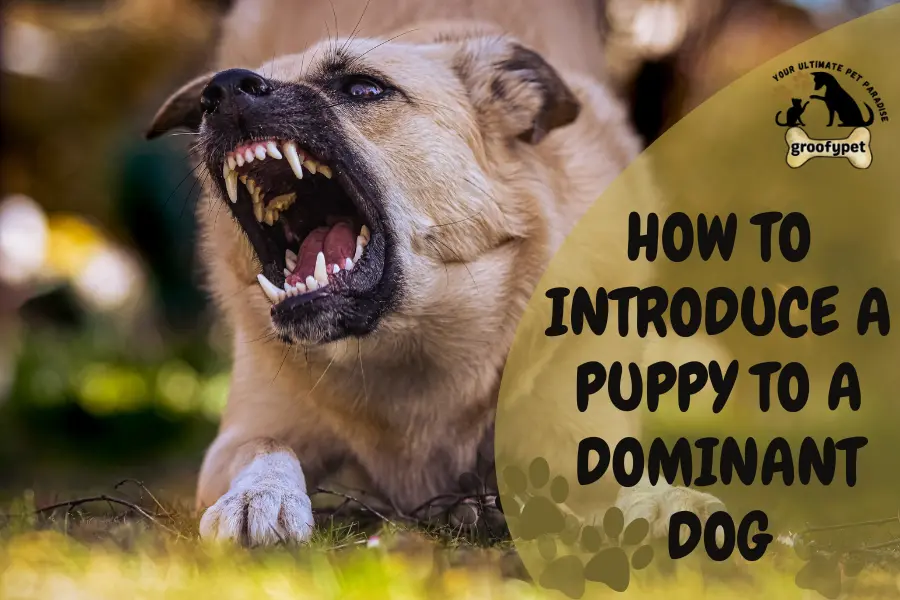
How to introduce a puppy to a dominant dog? Introducing new dogs to a dominant dog takes planning and care. Studies show dominant dogs often control space, toys, and even attention. Without proper steps, fights or stress may happen. The first few meetings play a big role in building a peaceful bond. You must know what signs to watch for and how to set the rules early.
Not sure how to introduce new dogs to a dominant dog without chaos? You’re not alone. Many pet owners worry their older dog might act out or feel threatened. Will they accept a new friend or start guarding everything? Let’s break it down step by step so both dogs feel safe.
Bringing a new dog home sounds exciting until your dominant dog starts growling, guarding toys or acting stressed. It can feel scary and overwhelming. You want peace in your home but every small mistake could lead to a fight. Don’t worry introducing new dogs to a dominant dog is possible with the right approach.
Two tails wagging, but tension in the air introducing new dogs to a dominant dog can go either way. One wrong move and harmony can turn into chaos. But with patience and simple steps you can help both dogs live together in peace. It all starts with the first meeting.
How to introduce a puppy to a dominant dog?
Introducing new dogs to a dominant dog means helping both dogs meet and live together safely. A dominant dog often wants to control space, toys, and attention. If not handled right, this can lead to stress or fights. The process needs patience, short meetings, and clear rules. With time and care even dominant dogs can learn to accept new companions.Why some dogs are dominant?
Some dogs act more bossy or controlling than others. This is called being dominant and how to introduce a puppy to a dominant dog? A dominant dog often tries to be the leader in the home. They may growl, push other dogs or guard toys. It does not mean they are bad. It just means they want to feel in charge. Knowing this helps you keep both dogs safe.
What makes a dog dominant?
Signs your dog is dominant
- A dominant dog may walk ahead on the leash or try to block your path.
- They may growl when other dogs come near their food or bed.
- Some dogs will try to mount other dogs, even if they are not playing.
- You may also notice them staring or standing tall to show control.
- Watch for these signs during introductions.
How dominant dogs act around new pets?
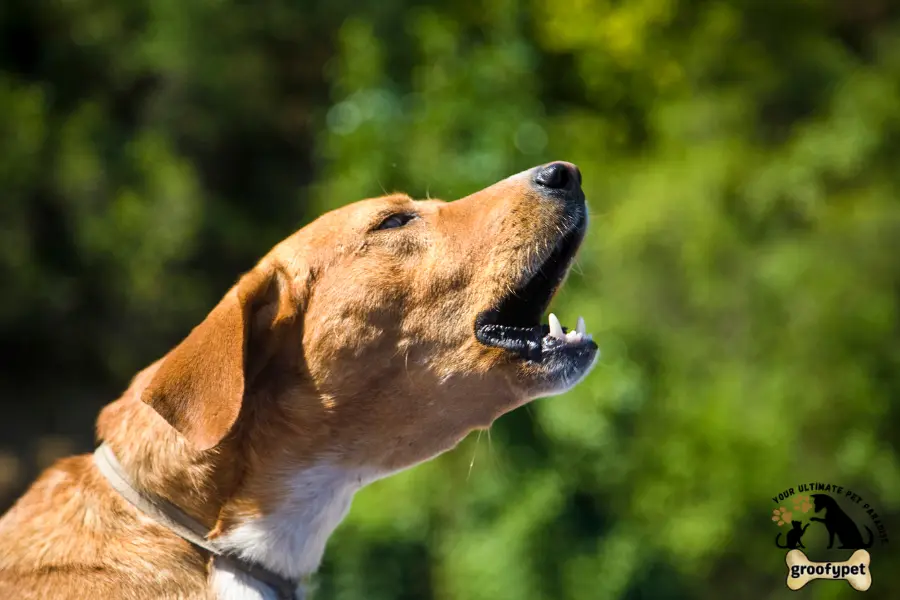
When a new puppy comes in, a dominant dog may not be happy. They might ignore the puppy, growl, or try to boss them around. They could even guard spaces like the couch or doorways. They want the puppy to follow their rules. That’s why slow and calm introductions are so important.
What to know before getting a puppy?
Before bringing a puppy home, think about your older dog’s personality. Not all dogs enjoy having a new puppy around. Some dogs love company. Others may feel jealous or stressed. You should plan ahead to avoid problems. Make sure your older dog gets lots of love and space during the change.
1. Think about your older dog behavior
If your dog gets upset easily or reacts strongly to other animals, you must go slow. Some dogs do better with smaller puppies. Others may prefer calm puppies, not high-energy ones. You know your dog best. Think about what kind of puppy would match their energy and habits.
2. Pick the right puppy energy level
A calm puppy may be easier for a dominant dog to accept. If both are wild and playful, things might get out of hand. Try to find a puppy that doesn’t push too much. Puppies that respect space and take cues from other dogs usually get along better with adult dogs.
3. Prepare your home for both dogs
Before your puppy comes home, set up a safe space just for them. Use baby gates to keep the dogs apart at first. Give each dog their own food bowls, beds, and toys. This helps prevent fights. Remove anything the older dog guards, like bones or favorite blankets.
How to introduce a puppy to a dominant dog?First Meeting Rules
1. Keep it Safe and Calm
The first meeting should be short and stress-free. Pick a quiet, open space like a friend’s yard or a quiet park. Avoid loud places or small rooms. Both dogs should be on leashes but loose enough to move. Don’t force them to play. Just let them sniff and look at each other.
2. Meet on neutral ground
Let the dogs meet where neither feels they own the space. Meeting at home can make the older dog feel like the puppy is invading. A neutral place helps both dogs feel relaxed. Let them sniff the area first. Then slowly bring them together and watch their body language.
3. Use leashes for control
Both dogs need to be on leashes during the first meeting. This keeps them safe if one reacts suddenly. Hold the leash loosely so they don’t feel trapped. If things go well, you can walk them side by side. Don’t let the puppy jump on the older dog. Keep things calm and steady.
4. Keep the meeting short at first
The first meet-up should last only a few minutes. Don’t wait until one of the dogs gets tired or annoyed. If things go well, end on a good note. Praise both dogs and give them a break. Short, happy meetings build trust over time.
How to Introduce a New Puppy to Your Old Dog: Watch their body language
Dogs talk with their bodies. You need to watch for signs that show how they feel. A wagging tail does not always mean a dog is happy. Look at their ears, eyes, and how they stand. Learning body language helps you stop problems before they start.
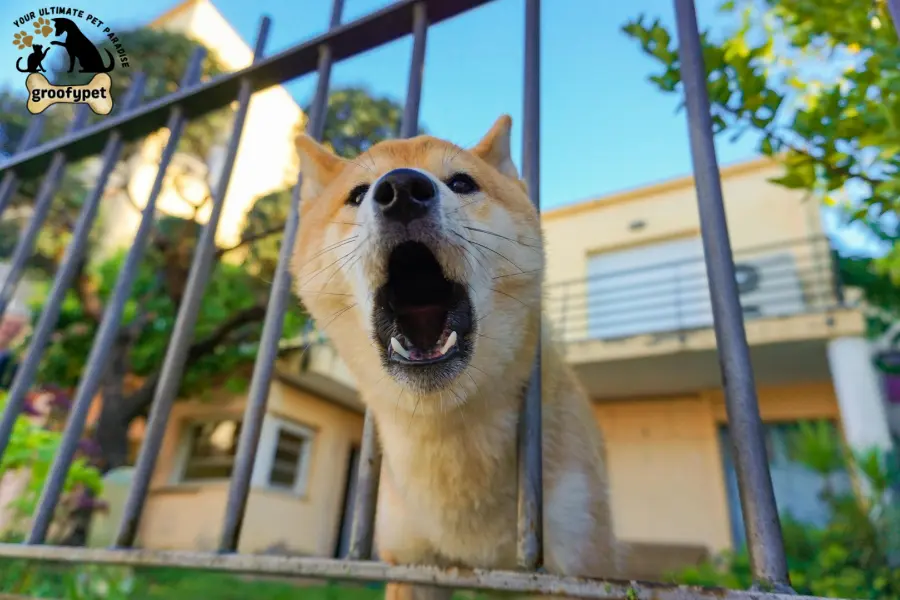
1. Signs your dog is calm
A calm dog will have soft eyes, a loose tail, and a relaxed body. They may sniff the ground or slowly walk around. A gentle tail wag and playful bow are good signs. If your dog turns away or lies down, it means they feel safe and not threatened.
2. Signs your dog is stressed or angry
A stiff body, raised tail, and hard stare are warning signs. Growling, lip lifting, or backing away also show stress. If your dog starts licking their lips or yawning, they may be nervous. You should stop the meeting and give both dogs space if you see these signs.
3. When to end the meeting quickly
End the meeting fast if the older dog growls, lunges, or tries to bite. Don’t punish, but calmly separate them. Use a happy voice to distract both dogs. Let them rest before trying again another day. Safety should always come first.
Bring the puppy home slowly
Once the first few meetings go well, it’s time to bring the puppy home. But don’t let them run around together right away. Keep them in separate spaces and slowly let them see each other more. This slow start helps them feel safe and get used to each other.
1. let the older dog explore the puppy smell
Before they meet inside the house, let the older dog smell the puppy’s bedding or toys. This helps the dog get used to the new scent. You can also swap blankets so both pets become familiar with each other’s smell. It lowers stress and helps them feel more connected.
2. Keep them in different rooms at first
Use baby gates or closed doors to keep the dogs apart in the beginning. Let them hear and smell each other without full contact. This builds curiosity in a safe way. Let them see each other for short moments. Don’t let them share the same space too soon.
3. Use a baby gate for safe viewing
A baby gate lets the dogs see each other without risk. They can watch and sniff through the gate. This makes them more comfortable before face-to-face play. Always stay nearby. If either dog shows signs of stress, end the viewing and try again later.
Feed and play separately at first
Dogs may feel tense around food or toys. Feeding them apart prevents fights. Puppies also need time to learn how to play gently. Start with solo play before letting them share space. Keep their things in different areas.
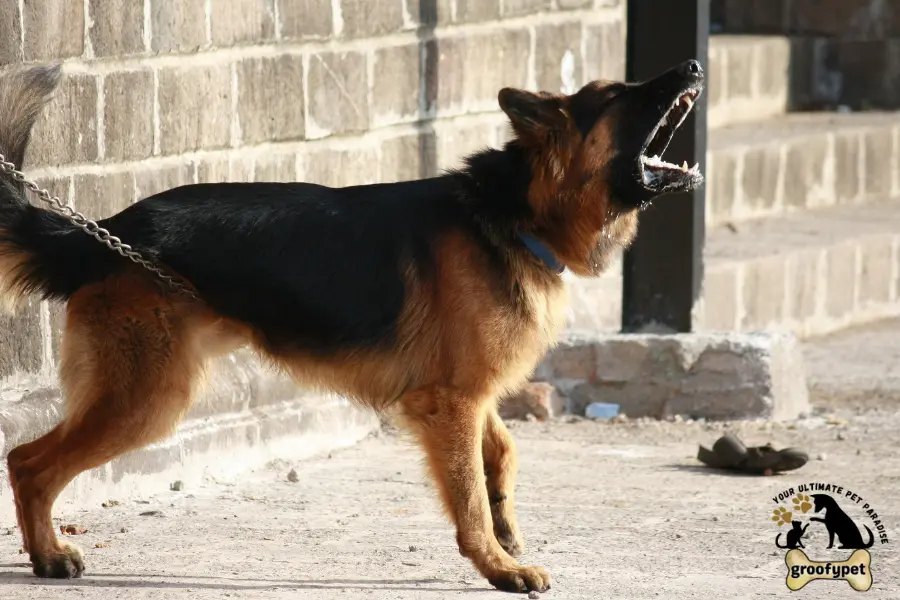
1. Avoid food fights
Give each dog their own food bowl in separate rooms. Feed them at the same time but apart. Never let a puppy eat from the older dog bowl. Dominant dogs may see this as a threat. Respect each dog space during mealtime.
2.Give each dog their own toys and bowls
Dogs don’t like to share at first. Give them their own toys, bowls and beds. This stops them from guarding items. They may learn to share, but in the beginning it’s safer to keep things separate. It helps to reduce stress and fight.
3. Watch how they react during playtime
Puppies have a lot of energy and might jump or nip. Some older dogs don’t like that. Let them play for just a few minutes while you watch closely. If the older dog gets annoyed stop the play and give them a break. Keep it short and happy.
Give your older dog respect
Your older dog was there first. If you suddenly give the puppy all the attention your dog might feel left out. Keep their routine the same and show them they are still loved. This helps them accept the puppy.
1. Don’t change your older dog routine
Keep walks, meal times, and cuddle time the same for your older dog. A new puppy is a big change, so your dog needs to feel secure. If their routine stays steady they are less likely to get upset or act out.
2. Give the older dog attention first
Always greet your older dog before the puppy. Feed them first and play with them first. This shows the dog that they are still important. It also reminds the puppy to respect the older dog place in the home.
3. Help the puppy learn rules from the older dog
Puppies learn fast by watching older dogs. The older dog will teach them what is okay and what’s not. But you still need to guide both dogs. Praise the puppy when they follow good behavior. Help them both feel safe and supported.
Build trust over time
It takes time for a puppy and a dominant dog to become friends. Don’t expect them to love each other right away. Give them chances to bond slowly. Let them play, walk, and rest with each other while you stay nearby.
1.Short and safe playtime
Let them play together in short sessions. Choose times when both dogs are calm. Play should be soft and happy. If things get too rough separate them and try again later. Short plays help them build good memories with each other.
2.Positive rewards when they behave well
When both dogs behave, give treats and praise. This helps them connect good behavior with happy moments. Keep your voice cheerful and calm. Never yell or punish. Positive rewards build trust faster than anything else.
3.Don’t rush things
Every dog is different. Some will bond fast, while others need more time. Let the dogs move at their own pace. Watch for progress like tail wags or lying next to each other. Let their friendship grow naturally.
How to introduce a puppy to a dominant dog?When to Step In
Sometimes things don’t go as planned. You must be ready to step in and stop bad behavior before it gets worse. If either dog shows signs of fear or aggression separate them right away. Stay calm and take control of the situation.
1. Growling or fighting means stopping the interaction
If your dog growls or snap stop the interaction at once. Do not yell, but move the dogs apart gently. Give both of them space to calm down. Try again later when they are more relaxed. It’s better to go slow than to force friendship.
2. Give both dogs time to cool off
After a tense moment let both dogs rest in separate areas. This helps them calm down and feel safe again. You can use treats and soft words to help them relax. Never punish them for growling. It’s their way of saying they feel uncomfortable.
3. Set the rules
Dogs need to see you as the calm leader. Set clear rules and stick to them. Make sure both dogs listen to you. When they see you in charge they feel safe. Use short commands and always reward good choices. This builds trust with both dogs.
When to Get a Dog Trainer?
Sometimes, it’s hard to handle a dominant dog and a new puppy on your own. If things don’t get better or seem to get worse it may be time to call a trainer. A trainer can guide both dogs and teach you how to manage their behavior.
1. If the older dog stays aggressive
If your older dog keeps growling, snapping or acting mean toward the puppy a trainer can help. They will teach your dog how to stay calm. They can also help your puppy learn how to behave around the older dog.
2. If the puppy acts scared all the time
If your puppy hides, cries, or avoids the older dog, it may be a sign of fear. A trainer can help your puppy build confidence. They will also show the older dog how to be gentle. A scared puppy can grow into a nervous adult so act early.
3. Trainers can help both dogs feel safe
Trainers know how to handle different dog behaviors. They give tips that work for your home and your pets. With their help your dogs can learn to live together in peace. A trainer is a great tool if you feel stuck.
Also Read : rough coated collie
Frequenly Asked Questions
How do you get a dominant dog to accept a puppy?
Start by giving your dominant dog space and time.Always give attention to your older dog first so they don’t feel left out. Reward both dogs when they stay calm together.
Can I introduce a puppy to my aggressive dog?
Talk to a dog trainer or vet to understand your dog behavior. Keep both dogs on a leash and watch closely. If your dog shows signs of fear or anger stop the meeting. Never force them to interact. Safety comes first.
How do you introduce an alpha dog to a puppy?
Let the alpha dog lead the meeting. Don’t let the puppy jump or bother them too much. Keep both dogs on leashes and stay calm.
How do you introduce a puppy to a jealous dog?
Keep their routine the same. Spend time with them. Use baby gates at first so both dogs can see each other but stay safe. Let them meet slowly and give treats when they are calm.
Final Thoughts
How to introduce a puppy to a dominant dog? Introducing a puppy to a dominant dog take time, patience and care. Every dog is different so go at their pace. Use safe spaces, reward calm behavior and keep routines steady for your older dog. Don’t rush their bond let trust grow day by day. With your steady guidance both dogs can learn to live happily together and become great companions in the same home.
Puppy Sleeps with Tongue Out: The Adorable Secret You Need to Know!
Is it okay to crate a dog while at work: Smart or Stressful!