| Ingredient |
Purpose in Aquaphor |
Safety Notes for Cats |
| Petrolatum (41%) |
Main active ingredient that locks in moisture and protects the skin |
Generally considered safe in small topical amounts, but too much ingestion from licking may cause stomach upset |
| Mineral Oil |
Helps soften and moisturize dry skin |
Usually low risk when used on the skin, but swallowing large amounts may lead to diarrhea |
| Ceresin Wax |
Thickens the ointment and helps form a protective barrier |
Not considered highly toxic, though cats should not consume large quantities |
| Lanolin Alcohol |
Moisturizes and softens the skin |
Some cats may develop mild skin sensitivity or allergies |
| Panthenol (Pro-vitamin B5) |
Supports skin hydration and healing |
Commonly used in pet-safe skin products and considered low risk |
| Glycerin |
Draws moisture into the skin to prevent dryness |
Generally safe for topical use in small amounts |
| Bisabolol (Chamomile) |
Helps calm and soothe irritated skin |
Usually safe topically, but excessive licking should still be avoided |
| Key Point |
Explanation |
| What Is Aquaphor? |
Aquaphor Healing Ointment is a semi-occlusive skin protectant made by Beiersdorf under the Eucerin brand. |
| How It Works |
It creates a protective barrier that locks in moisture and supports natural skin healing. |
| Main Concern for Cats |
The biggest concern is repeated ingestion when cats groom or lick treated areas. |
| Toxicity Level |
The ingredients are not considered acutely toxic in small topical amounts typically used on cats. |
When can you use Aquaphor on cats?
Aquaphor may be safe for minor skin issues in cats when used carefully. If your cat has a dry or cracked nose, you can apply a tiny dab to the tip, keeping an eye out for licking behavior. For rough or cracked paw pads, gently massage a small amount onto the pads, focusing only on the damaged areas.
In case of a minor wound, clean the area, then apply a thin layer of Aquaphor to prevent dryness and natural healing. Always monitor your cat and consult a vet if you’re unsure.
Important Precautions
- Always keep an eye on your cat after applying Aquaphor, making sure they don’t lick the treated area too much.
- Begin with a small amount and watch for any signs of a reaction such as redness, itching, or discomfort. If these occur, stop using it and talk to your vet.
- Avoid applying Aquaphor near your cat’s eyes, ears, or mouth.
- Keep in mind, it’s not a complete solution.
- If your cat has skin problems that continue or get worse, consult a veterinarian for proper treatment.
When Is It OK to Use Aquaphor on Your Cat?
| Body Area / Use Case |
Safety Level |
Notes |
| Dry or cracked paw pads |
Generally Safe |
Apply thin layer; distract cat for 10–15 min to absorb |
| Dry or crusty nose |
Generally Safe |
Tiny dab; chronic dry nose should be vet-evaluated |
| Minor skin irritation / small scratch |
Use with Caution |
Can provide a protective barrier; monitor for licking |
| Scabs from scratching |
Use with Caution |
Not specifically designed for animal use; consult vet first |
| Open wounds |
Not Recommended |
Thick texture can trap bacteria; get vet-approved wound care |
| Near eyes, ears, or mouth |
Avoid |
High ingestion risk and potential for irritation |
| Large areas of skin |
Avoid |
Too much surface area = too much ingestion risk |
| Hairball lubricant (oral) |
Accepted Practice |
A dab on paw/muzzle to lick off can ease constipation (vet guidance recommended) |
How to Apply Aquaphor on a Cat: Step-by-Step?
If your vet has given the green light or you’re dealing with a minor issue like dry paw pads, here is the safest application method:
- Prepare the area. Gently clean the target area with warm water and a soft cloth. Pat completely dry before applying anything.
- Use an extremely small amount. Think pea-sized or less. Less is more with any ointment on cats.
- Apply with a fingertip. Gently massage a thin layer into the dry skin. Do not slather a film is sufficient.
- Distract your cat immediately. Offer a high-value treat, engage with a toy, or feed a meal right after application so the ointment has time to absorb before grooming begins.
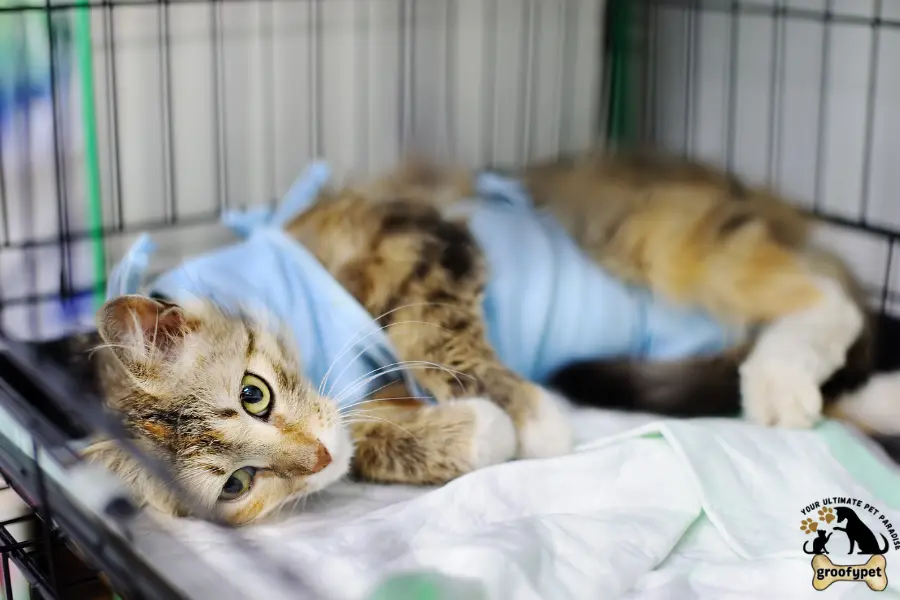
- Consider a soft cone if needed. For wounds or scabs, an Elizabethan collar (E-collar) or a recovery suit can prevent licking while the area heals.
- Monitor for 24–48 hours. Watch for signs of skin irritation, increased redness, vomiting, or unusual lethargy. If any appear, stop use and contact your vet
Alternatives to Aquaphor for Cats
There are several cat-safe options that offer soothing benefits without the risks.
Try these alternatives:
Vet-approved ointments: Always ask your veterinarian about cat skin issues and suggest the best safe and effective choice.
Coconut oil: Fractionated coconut oil is a gentle and natural moisturizer with mild antimicrobial effects that is helpful for treating minor skin irritations.
Vitamin E oil: Diluted vitamin E oil can help relieve dry or itchy skin.
Always prioritize your cat’s health. Check with your veterinarian about any skin issues and use only products that are made for cats.
Extra Tips for Maintaining Healthy Cat Skin
- Feed a balanced diet with omega-3 fatty acids to support skin and coat health.
- Keep fresh and clean water available at all times.
- Make sure your cat’s living space stays clean and dry.
- Brush regularly to remove loose fur.
- Book routine vet visits to keep your cat healthier, including their skin condition.
With these simple habits and professional guidance, your cat can enjoy smooth, healthy skin.
Can I put Aquaphor on my cat’s dry nose?
Aquaphor can be used sparingly on a cat’s dry nose, but it’s important to be cautious. Apply only a small amount to the surface and watch your cat closely to prevent excessive licking that causes stomach disorder.
Is it safe to use Aquaphor on my cat’s cracked paw pads?
A small dab of Aquaphor can help soothe rough or cracked paw pads. Gently massage it into the dry areas, but keep in mind your cat might lick it off. For added safety, look into paw balms or coconut oil made specifically for feline use, ideally recommended by a vet.
Can I put Aquaphor on my cat’s paws?
Yes, you can put a small amount of Aquaphor on your cat’s paws if they are dry or cracked. Make sure to rub it in gently and try to keep your cat from licking it. It helps soothe rough paw pads but is not a long-term solution. If the dryness continues, it’s important to ask a vet.
Can I put Aquaphor on my cat’s nose?
If your cat has a dry or crusty nose, you may wonder if Aquaphor can help. A tiny bit of Aquaphor can be used safely on your cat’s nose to soften dry skin. But since cats often lick their noses, only use a very small amount and keep an eye on them.
Can I put Aquaphor on my cat’s scab?
You can apply a thin layer of Aquaphor on a small scab to keep it soft and help healing. It should not replace proper wound care. If the scab looks infected or if your cat keeps scratching it, ask your vet for advice.
Can I put Aquaphor on my cat’s wound?
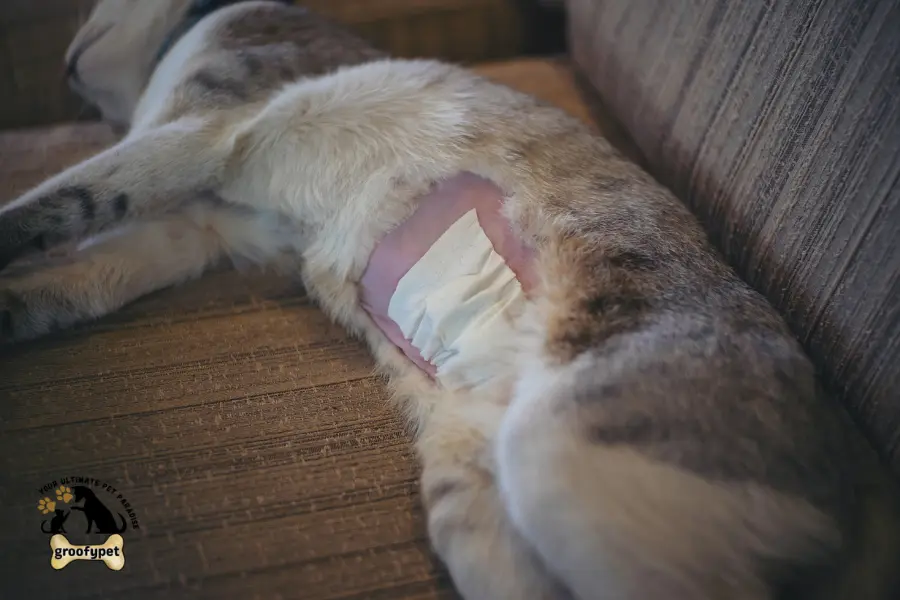
Aquaphor can cover minor surface wounds to protect the skin, but it is not a healing medicine. Do not use it on deep cuts or open wounds. It does not clean the wound and may cause problems if your cat licks it.
Is Aquaphor Safe for Cats?
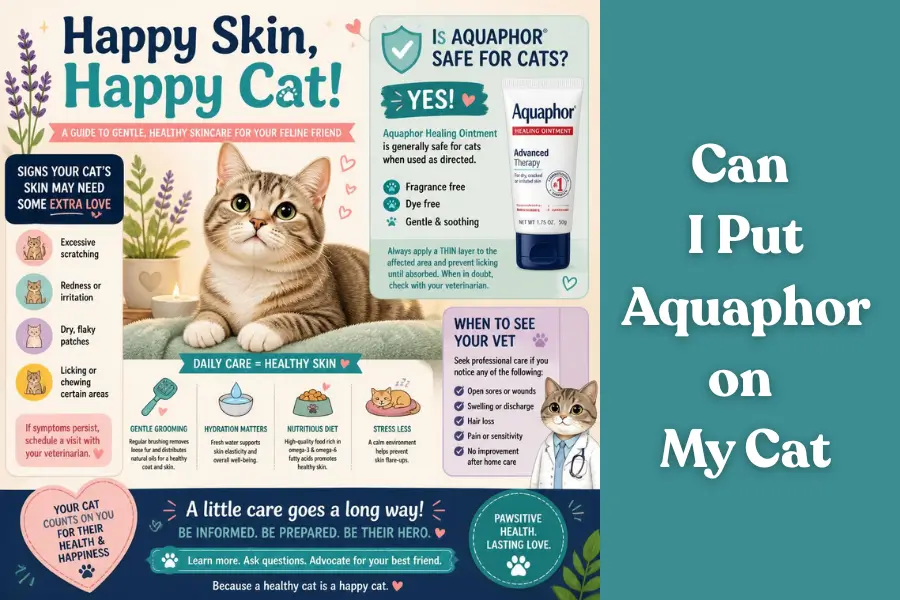
Aquaphor is generally safe for cats when used in small amounts on the skin. It should not be eaten and should only be used where your cat cannot lick too much. Always watch your cat after applying any product.
Also Read :Is Fabuloso Safe for Cats
Is Aquaphor Toxic to Cats?
Aquaphor is not toxic to cats in small external doses, but it can upset their stomach if they lick or swallow too much. If your cat eats a lot of it, call your vet right away. It’s best to apply in small amounts and make sure your cat does not lick it.
Where Should You Avoid Putting Aquaphor on a Cat?
Some locations and situations call for extra caution:
- Near or inside the eyes
- Inside the mouth or nose
- On deep wounds or actively infected areas
- On large areas of damaged skin
- On spots a cat continuously licks or chews
- On any unexplained lump, bump, or lesion
Eye injuries, deep wounds, significant burns, and unexplained lumps are all situations where a veterinarian’s evaluation is appropriate rather than home treatment.
Can I put Aquaphor on my cat’s wound or scab?
Use with caution. Aquaphor can provide a protective barrier over very minor scrapes, but it is not designed for animal wound care. Its thick texture can trap bacteria in deeper wounds. For scabs, the bigger question is, what is causing the scratching? Consult your vet, who may recommend a pet-safe antiseptic or protective collar instead.
Can Aquaphor Help a Cat’s Rash or Hot Spot?
Rashes and hot spots can stem from a long list of causes: allergies, flea allergy dermatitis, ringworm, bacterial or fungal infections, other parasites, or self-trauma from a cat licking or scratching an itchy area raw. Because the causes are so different from each other, and because they’re not reliably distinguishable just by looking, sealing the area under Aquaphor risks trapping moisture over something like a fungal or bacterial infection, potentially making it worse rather than better. A rash that’s new, spreading, or not improving on its own is a case for veterinary assessment rather than a guess-and-treat approach.
Read This:Why Is My Cat Getting Fat? The UltimateGuide For Cat Parents!
What happens if my cat licks Aquaphor?
Small licked amounts are generally non-toxic. The ingredients petrolatum, mineral oil, and lanolin alcohol are classified as low-toxicity by the ASPCA. Your cat may experience mild diarrhea or loose stools if they ingest a meaningful amount, but serious toxicity is unlikely from topical licking. Monitor for vomiting, lethargy, or loss of appetite and contact your vet if symptoms appear.
Is Aquaphor the same as Vaseline for cats?
Nearly. Both are petrolatum-based ointments and are similarly safe for cats in small topical amounts. Vaseline is pure petroleum jelly, while Aquaphor contains additional ingredients like lanolin alcohol, glycerin, and panthenol. Both have been used by vets as hairball lubricants when placed on a cat’s paw or muzzle to be licked off.
Can Aquaphor help my cat with hairballs?
Yes — petroleum jelly-based products like Aquaphor and Vaseline have been used as a hairball lubricant remedy. A small dab placed on your cat’s nose or paw will be groomed off and may help lubricate the passage of hair through the intestines.
However, commercial hairball remedies are specifically formulated and flavored for this purpose and may be more effective and palatable.
How often can I apply Aquaphor to my cat?
For dry paws or a crusty nose, applying a thin layer once daily or every other day as needed is reasonable. Do not use continuously for weeks without improvement. Persistent skin issues require veterinary evaluation, not repeated at-home treatment.
Frequently Asked Questions
Can Aquaphor be used on a minor scrape or wound on my cat?
You can apply a thin layer of Aquaphor after cleaning a small scrape to help retain moisture and support healing. If there is any sign of infection or delayed healing, see your vet right away.
Are there any risks in using Aquaphor on cats?
Yes, the biggest concern is ingestion, since cats groom themselves frequently. Eating even small amounts can cause digestive upset, and some may react to specific ingredients. Always use a small amount and watch for any unusual behavior or irritation.
What are safer options than Aquaphor for cats?
There are feline-friendly alternatives that offer similar soothing effects. Talk to your vet about cat-safe ointments. Fractionated coconut oil for mild skin issues or diluted vitamin E oil—make sure anything you use is approved for pets.
Final Thoughts
Your cat has an irritated spot, and you’re desperate for a quick fix. You reach for the nearest ointment and wonder, can I put Aquaphor on my cat? The last thing you want is to make things worse by using the wrong product. Many pet owners face this dilemma with little clear guidance. Knowing what’s safe can ease both your stress and your cat’s discomfort.
Can Cats Eat Ice Cream? The Risky Scoop Behind the Sweetness!
Are Cherries Toxic to Cats? The Truth About Cherries and Cats!