If you’ve ever discovered cat hair on your clothing, couch, or even in your morning coffee, you’re not the only one, but how to stop cat hair fall? Cat hair fall is a common issue noticed by most pet parents, but distinguishing between normal shedding and a sign of impending problems can be difficult.
While all cats shed their fur naturally, especially during seasonal transitions, excessive or sudden hair loss can be a symptom of larger issues, such as poor nutrition, stress, or underlying health conditions.
How to stop cat hair from falling?
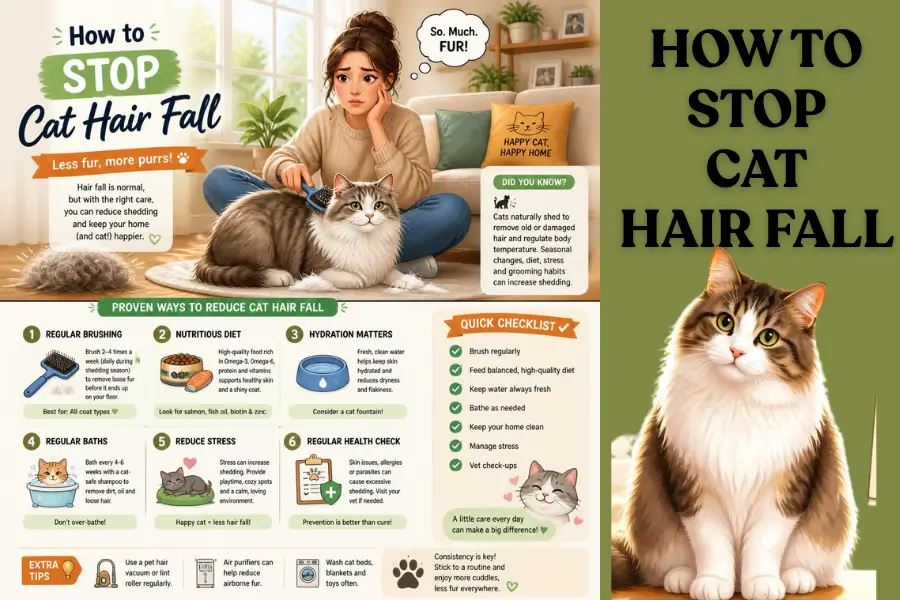
In this guide, we’ll discuss some of the most common reasons your cat might be losing an excessive amount of hair and a few practical, vet-informed strategies you can implement today. Short fur or a luxurious long coat will help you manage your feline friend’s shedding and keep their fur off your furniture.
How to stop cat hair shedding?
Seeing piles of fur around your house or bald spots on your cat’s body can be alarming. Although loss of cat hair is commonly attributed to seasonal shedding, excessive loss could have other reasons. Some breeds, such as Maine Coons or Persians, tend to shed more because they have thick, long hair, while short-haired cats might not display it quite as visibly.

Age is a factor, too older cats tend to shed even more because their grooming habits change with age. Hormonal changes associated with pregnancy or after spaying/neutering may also result in consistent hair loss.
If your cat seems to be shedding a significant amount of hair consistently or displaying signs such as redness of the skin, dandruff, or bare patches, it’s probably more than normal shedding and may indicate an underlying problem that deserves attention.
Is Shedding Normal or a Cause for Concern?
Shedding is 100 percent normal; just as humans lose hair on a daily basis, cats do, too. But if you notice that your cat is shedding excessively, it may indicate that something is wrong. This new normal shedding is typically even across his whole body, devoid of bald spots, and generally increases somewhat during seasonal transitions, such as spring or fall.
If you see your cat overlicking particular areas, scratching excessively, or developing bald spots, however, this can be indicative of allergies, parasites, or, yes, even stress.
Additionally, hair loss that is accompanied by irritation, sores, or crusty dandruff isn’t normal and should be treated quickly. Being attentive to your cat’s grooming habits, fur texture, and skin condition can help you determine if the shedding is just normal or a red flag that warrants a vet visit.
What causes cat hair to fall out?
The first step toward combating your cat’s excess shedding is to understand what’s behind it. A balanced diet is one of the most common factors. Cats without healthy amounts of omega-3 fatty acids, protein, and vitamins develop dry skin and brittle coats that shed easily.
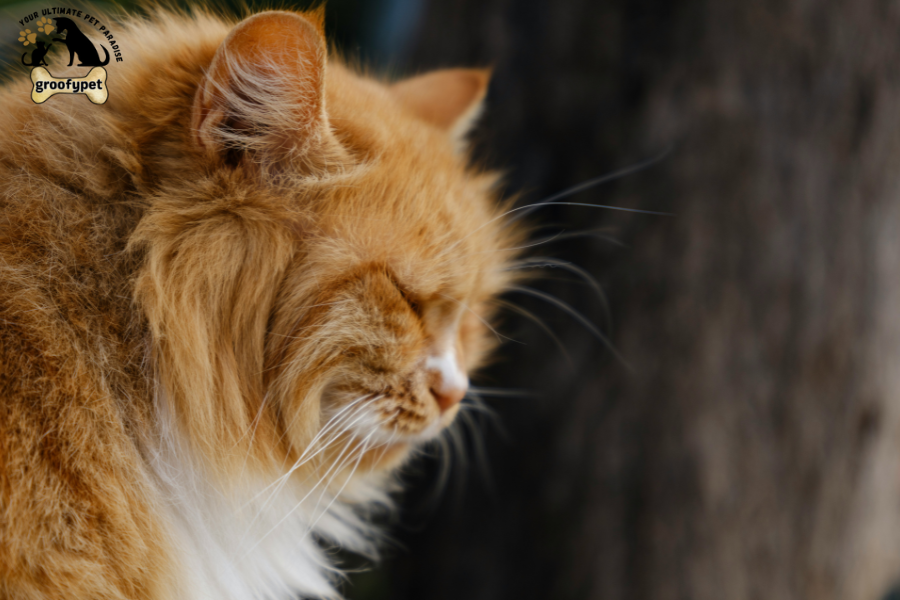
Parasites
Parasites like fleas, mites, or lice can give your cat such horrible itching that the scratching and licking tear at the hair.
Allergies
Allergies caused by things like food, dust, pollen, or even some household cleaners—can also inflame a cat’s skin and cause hair loss. Infections such as ringworm or bacterial skin conditions can cause patchy bald spots, while hormonal imbalances like thyroid conditions can lead to diffuse hair thinning.
Stress
Emotional distress can lead to some of the same overgrooming as physical causes, too; stress or anxiety can cause some cats to overgroom, especially indoor cats whose routine or environment is changed.
These conditions may cause sudden or unexplained hair fall. The first step in stopping cat hair fall is, therefore, to identify the root cause; each of these issues would require a different approach.
How to Prevent Cats from Shedding Naturally at Home
If you feel like your cat’s shedding is out of control, here are a few natural and gentle ways to reduce cat hair fall without medication.
Daily Brushing
Daily brushing is a good place to start; it removes loose fur and encourages healthy oil production in your dog’s skin. Select the appropriate tool for your cat’s coat type: slicker brushes for long-haired cats and grooming gloves for short-haired ones.
Proper Diet
Supplement their diet with omega-3- and omega-6-rich healthy fats, either from fish oil or cat foods that include salmon or flaxseed. These nutrients hydrate the skin and curb the dryness that causes shedding.
Proper Water Intake
Dehydrated kitties have flaking skin, flaky hair, and hair breakage. If stress is a concern, create calm spaces with cozy beds or cat trees and consider pheromone diffusers to help with anxiety. Regular grooming, clean surroundings, and a good routine can help these guidelines go a long way in naturally controlling hair fall and ensuring your cat’s coat remains shiny and full.
The best cat foods are perfect for reducing hair fall
The health of your cat’s coat is greatly impacted by what type of food you are feeding them. For the best cat food for reduction of hair fall, you will want to look for diets high in animal-based proteins and omega-3 and omega-6 fatty acids, as biotin, zinc, and vitamin E are all vital to the strength of the hair and skin. Protein for building and maintaining fur and fatty acids for a glossy coat and for reducing the inflammation that leads to shedding.corn and soy, for example, which provide far less nutrition and can cause allergies in some felines. Wet food can also aid in hydration, especially for cats that don’t drink a lot of water. If your cat is already eating a proper diet but is still shedding, talk to your vet about prescription-formula food that’s formulated for skin sensitivities.
How often should I brush my cat to minimize hair fall?
Grooming is one of the most efficient and simplest ways of managing how much hair your cat sheds, but how often you do this depends on the type of coat your cat has.
Long-haired cats
Long-haired cats in particular, Persians or Ragdolls need daily brushing to prevent tangles, mats, and excess shedding.
Short-haired cats
Short-haired cats like American Shorthairs or Burmese generally require brushing just 2–3 times a week, although some may like it more often. Grooming removes loose fur and helps distribute natural oils across the skin while leading to a healthier, shinier coat. It also allows you to detect early signs of skin problems or parasites.
Use an appropriate brush: slicker brushes for long fur, rubber mitts, or soft bristles for short hair. Be careful, especially around sensitive areas such as the belly or tail, and use brushing as a bonding experience by rewarding your cat with treats or praise afterward to create a positive reinforcement routine.
Also Read : can cats eat raw beef
When to Visit the Vet for Cat Hair Loss?
Some shedding is typical, but there are obvious indications that hair fall in cats requires veterinary care. If you see bald patches, excessive grooming, or red or irritated skin, or your cat suddenly begins to shed more than usual, now is the time for a checkup.
Hair loss that comes with telltale signs such as weight loss, lethargy, vomiting, or changes in appetite could indicate larger health problems such as thyroid disease, allergies, or even parasites. A vet can also do skin scrapings, allergy tests, and bloodwork to determine the cause.
It’s also a good idea to check in with your vet before adding supplements or making dietary changes, particularly if your cat has a sensitive stomach or other continuing conditions. A timely diagnosis not only arrests hair fall in a shorter frame but also prevents substantial health conditions in the future.
Common Causes of Patchy Hair Loss in Cats
Patchy hair loss (alopecia) in cats can be concerning for pet owners. There are several potential causes, ranging from medical conditions to behavioral issues:
Stress causes many cats to lose their hair, more particularly if you have an indoor cat or you have changed the living arrangements. Cats usually start overgrooming during a stressful moment, triggering thinning fur or baldness, typically on their belly, legs, or sides. Triggers might be a new pet, moving houses, or even just loud noises or shifts in routine.
Some cats are more sensitive than others, and some exhibit their anxiety as constant licking or scratching. For starters, identify and eliminate the source of the stress, if you can. Give your cat access to safe, quiet spaces and make their environment more interesting with toys, scratching posts, and climbing trees.
Pheromone diffusers (such as Feliway) can also calm anxious cats. If the overgrooming continues, your vet may recommend behavior therapy or anti-anxiety medication. Decreasing stress not only boosts your kitty’s mental health but also helps bring back normal fur development.
How to stop cat hair from getting everywhere?
The first is to be prepared for the difference between normal shedding and a losing battle with hair fall. Normal hair shedding happens gradually and is particularly noticeable in spring and fall with the seasonal changes.
You’ll see small amounts of hair being shed from your kitty without making them bald in places. But when hair loss leads to bald spots, thin patches, or excessive shedding that extends beyond seasonal shedding, it may signal a troublesome issue.
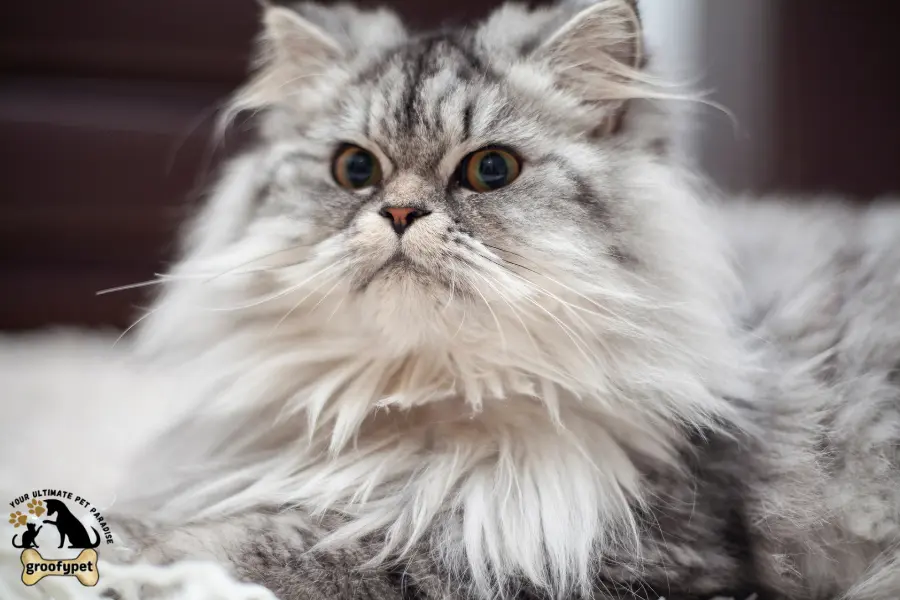
If you see your cat licking or scratching specific areas more than normal, or if there’s noticeable skin irritation, inflammation, or redness, that means the hair loss is more than just shedding. Allergic reactions, parasites, or a hormonal imbalance can cause abnormal hair loss. If you’re not sure, of course, you should see a vet for proper diagnosis.
Also Read : 5 Cat Breeds That Don’t Shed
Regular Checks & Vet Visits To Keep The Cat Hair In Check
Getting your cat checked out regularly by the vet is key to overall well-being, something that contributes massively to preventing cat hair fall. Many of those cases can be solved with a quick vet visit to help identify underlying medical conditions that could contribute to excessive shedding, anything from allergies to hormonal imbalances to skin infections.
Your vet can do diagnostic tests to rule out conditions, such as hypothyroidism or feline dermatophytosis (ringworm), that can also cause hair loss. Routine exams also enable your vet to recommend targeted preventive care, such as specific diets, parasite treatments, or supplements to support your cat’s skin health.
Catching any health-related problems at an early stage can ensure problems don’t escalate, and the health of your cat’s coat will remain acceptable. Having your cat checked once a year (or more often if needed) gets you ahead of any health concerns you may have that could also affect their fur.
How to Stop Cat Hair Fall at Home?
If you are interested in natural remedies to help with the shedding related to hair loss, you may want to try a few home remedies before calling upon more severe solutions. And coconut oil, when applied externally onto your kitty’s skin, is also one of the best things you can use to help prevent dryness and irritation.
It can also keep their coat shiny and healthy due to its moisturizing properties. A diluted rinse of apple cider vinegar and water can be a healthy skin rinse post-bathing, which can also combat excessive shedding. A tablespoon of pumpkin puree can add a bit of fiber to your cat’s diet for healthy digestion and help reduce hairballs, which can help reduce hair fall.
Aloe vera gel also works well on irritated skin, but make sure that it’s pure and non-toxic before using. You can spray your cat’s coat with cooled chamomile tea to help soothe skin irritation. It’s important to check with your vet before using any of these remedies to find out if they’re right for your cat’s particular situation.
The Role of Stress Management in Preventing Hair Fall
Cats are sensitive animals, and an unusual change in their environment, a new pet, moving to a different home, or loud noises can cause stress-related overgrooming, which causes hair loss. To help your cat cope with stress, give him a safe place he can go to when he starts feeling overwhelmed.
Try pheromone diffusers, such as Feliway, that mimic comforting smells that relieve anxiety. Interactive play also helps minimize boredom and stress, so offer lots of toys or set aside regular playtime to keep your kitty’s brain engaged.
A routine also helps cats feel secure, so try to keep feeding times and other daily activities consistent. If your cat’s stress is chronic or severe, check in with a vet or a feline behaviorist to consider other stress-relief solutions, like medication or behavior modification techniques. This helps reduce hair fall but also increases your feline friend’s well-being.
Why is my cat losing so much hair?
Grooming is one of the important factors to help manage cat hair fall. Regular brushing helps eliminate this loose fur, prevents mats, and spreads the natural oils around the coat evenly, which promotes a healthy shine and reduces excess shedding.
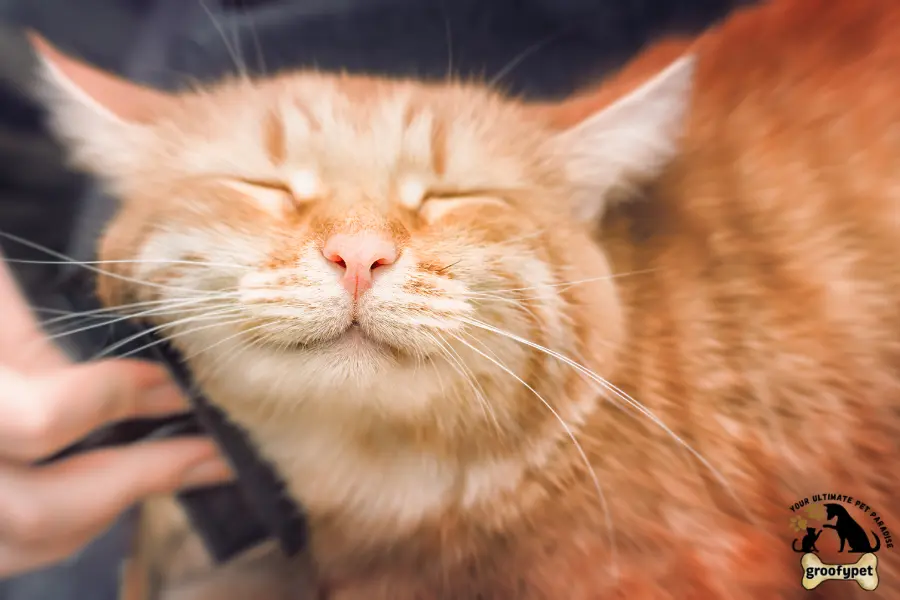
Long-haired cats can benefit from daily grooming to prevent tangles and breakage. Short-haired cats require less intense brushing, generally around 2-3 times a week, to keep shedding to a minimum. Grooming also is a good time to look for signs of skin conditions, parasites, or other health issues that can cause hair loss.
You should always use grooming tools suited to your cat’s coat type: slicker brushes for long-haired cats and rubber brushes for stockier short-haired breeds. Meanwhile, with brushing, you get to spend quality time with your furry friend, which in turn proves to be a good stress-buster, potentially reducing hair fall due to stress.
A consistent grooming routine is an easy and effective way to control hair fall and keep the coat tangle-free and healthy.
Is Cat Hair Loss a Symptom of an Underlying Health Issue?
To answer your question, yes, cat fur loss may indicate underlying health problems, but this is only the case if it seems excessive, occurs with bald patches, or is associated with other signs like lethargy, vomiting, or changes in appetite.
Allergies, hormonal imbalance, thyroid issues, and skin infections (like ringworm) can cause abnormal hair loss. Fleas or parasites are also common causes of itching and hair loss. Interestingly, as noted above, stress can also lead to hair fall due to excessive grooming.
If your cat’s shedding has become excessive or there are other symptoms of concern, see a vet. Your vet can do a complete examination, run tests, and diagnose any conditions that could be causing your cat’s hair loss. These skin issues must be detected early to avoid further complications and restore your cat’s healthy coat.
Does Diet Have an Impact on Shedding in Cats?
Yes, a major part in the management of cat hair fall is diet. The correct diet can greatly affect the condition of your cat’s skin and coat, just as it does in humans. Maintaining good nutrition with high-quality protein, omega-3 and omega-6 fatty acids, vitamins, and minerals are important factors for keeping a healthy coat.
Proteins are essential for hair growth, and omega fatty acids keep the skin moisturized and help reduce inflammation that may lead to shedding. Other nutrients include biotin and zinc that keep the fur and skin healthy as well. A cat may have dull fur or lose hair or shed too much from a poor diet or from allergies.
When food allergies are suspected, grain-free or limited-ingredient diets are available. Keeping your cat hydrated is also important, since dehydration can cause the coat to become dry, brittle, and prone to falling out. If you see significant changes in your cat’s coat condition, consult your vet, who can recommend the best diet plan suited to your cat’s specific needs.
How to Manage Hairballs and Their Impact on Cat Hair Fall?
Hairballs are a frequent problem, especially for long-haired cats, and they can be a significant source of cat hair during shedding season. When cats groom themselves, they swallow loose hairs that can build up in their stomachs and come out as hairballs.
Some cats groom themselves a lot, resulting in hairballs from taking in so much fuzz if the body can’t process it all, it’ll come out the other end, possibly causing discomfort and forcing shedding. Regular grooming is the best way to remove loose fur that your feline might swallow — this, in turn, helps manage hairballs and makes them as little trouble as possible once your cat sheds.
Higher-fiber hairball-formula cat food can also help a cat pass hairballs more easily. Hairball treats or supplements can also help your cat’s digestive system and help prevent hair from clumping in the stomach. Make sure your cat stays hydrated, and encourage him to play regularly to help keep him healthy and maintain a smooth coat.
How to Stop Cat Hair With Home Remedies?
Here are some natural remedies that may help reduce the amount of cat hair that falls out: The best way is to upgrade your cat’s diet to high-quality, natural food that is full of essential fatty acids, vitamins, and minerals. Fish oil supplements containing omega-3 fatty acids can ensure that their coat stays smooth and hairs don’t mat, leading to less shedding.
Another effective natural remedy is coconut oil, which can be massaged onto the body of your cat, making dry patches moisturized and helping with detoxifying hair loss. You can also use aloe vera (just be sure it’s the pure and non-toxic form) to calm irritated skin and encourage healthy hair.
Frequent brushing with natural bristle brushes helps to reduce extra fur and control mats. You might also add herbal teas, such as chamomile, to your cat’s grooming ritual — cooled, they can be used as a mild rinse to help with skin irritations. Always check with your vet before trying any new remedies to make sure they’re safe for your cat.
Guidelines for cat hair fall
Here are a few last-minute tips that may help keep shedding in check:
- You should brush your cat’s coat regularly to avoid losing hair and prevent mats.
- Long-haired cats, for instance, need to be brushed daily, and short-haired cats can get groomed a few times a week.
- Feed your cat a diet rich in omega-3 fatty acids, high-quality proteins, and other essential vitamins to promote a healthy coat.
- Ensure your cat has enough to drink, as dehydration may cause dry, brittle fur that sheds easily.
- Minimize environmental stress factors for your cat, and provide multiple opportunities for interactive play to curb stress-related grooming.
- If your dog is shedding more than normal or has bald patches, reach out to your vet and make sure there’s not an underlying medical condition, such as allergies, infections, or hormonal problems.
- For a cat that frequently gets hairballs, there is hairball formula food or supplements that may reduce hair buildup in your cat’s stomach.
- Regular checkups with your vet will help your cat stay healthy and catch any shedding issues early on.
Following these tips will help keep on top of cat hair fall, leaving your furry companion’s coat healthy and beautiful.
Persian cats are known for their long, luxurious coats, but this also makes them prone to excessive hair shedding. Some shedding is completely normal, but excessive hair loss can indicate underlying issues that need attention.
Common Causes of Hair Fall in Persian Cats
- Poor Nutrition – Lack of essential nutrients in diet
- Dehydration – Not drinking enough water
- Stress & Anxiety – Changes in environment, new pets, or loud noises
- Allergies – Food allergies or environmental allergens
- Skin Infections – Fungal, bacterial, or parasitic infections
- Lack of Grooming – Matted fur pulling out in clumps
- Hormonal Imbalances – Thyroid issues or other endocrine problems
- Seasonal Shedding – Natural shedding during spring and fall
- Dry Skin – Low humidity or poor skin health
- Parasites – Fleas, ticks, or mites
Natural Solutions to Stop Hair Fall
Eat a healthy diet, reduce stress, and use natural oils like coconut or castor oil to nourish your scalp and strengthen hair roots. Apply gentle hair masks like aloe vera or onion juice regularly and avoid harsh products to reduce hair fall and support healthy growth.
1. Improve Diet & Nutrition
This is the MOST important factor.
- High-quality protein: Feed real chicken, fish, or turkey-based cat food. Cats are obligate carnivores and need animal protein for healthy fur.
- Omega-3 & Omega-6 fatty acids: These are essential for coat health.
- Add a small amount of fish oil (salmon oil) to food
- Feed small portions of cooked salmon or sardines once or twice a week
- Egg yolk: Give one cooked egg yolk per week – rich in biotin and healthy fats
- Coconut oil: Add ½ teaspoon of virgin coconut oil to food 2-3 times a week
- Avoid cheap commercial food with fillers, corn, soy, and artificial ingredients
- Balanced vitamins: Ensure food contains Vitamin A, Vitamin E, Zinc, and Biotin
Recommended Foods for Cats
| Food | Benefit |
|---|---|
| Cooked chicken | High protein for fur growth |
| Salmon/fish | Omega-3 for skin & coat |
| Egg yolk | Biotin for hair strength |
| Coconut oil | Moisturizes skin & coat |
| Pumpkin | Fiber & vitamins |
2. Ensure Proper Hydration
- Always provide fresh, clean water
- Use a cat water fountain – cats prefer running water
- Add wet food to the diet to increase moisture intake
- Dehydrated skin leads to dry, brittle fur that falls out easily
3. Regular Grooming (CRITICAL for Persian Cats)
Persian cats require daily grooming due to their long fur.
- Brush daily with a wide-toothed comb or slicker brush
- This removes loose hair, prevents matting, and distributes natural oils
- Use a de-matting comb for tangles
- Brush in the direction of hair growth
- Start from the head and work toward the tail
- Pay special attention to the belly, underarms, and behind the ears where matting occurs most
Grooming Schedule:
- Daily: Quick 5-10 minute brushing
- Weekly: Deep grooming session (20-30 minutes)
- Monthly: Bath if needed
4. Bathing (The Right Way)
- Bathe your Persian cat once every 4-6 weeks (not too frequently)
- Use natural/mild cat-specific shampoo (never human shampoo)
- Oatmeal-based shampoo soothes dry, irritated skin
- Aloe vera shampoo helps moisturize the coat
- Rinse thoroughly – leftover shampoo causes itching and hair fall
- Dry completely with a towel and low-heat dryer
DIY Natural Rinse:
- Mix 1 tablespoon apple cider vinegar in 1 cup of water
- Use as a final rinse after shampooing
- This balances skin pH and adds shine
5. Natural Oils for Coat Health
Coconut Oil Treatment:
- Warm a small amount of virgin coconut oil
- Gently massage into the cat’s skin and coat
- Leave for 15-20 minutes, then brush out
- Do this once a week
Olive Oil:
- Add ¼ teaspoon of olive oil to food
- Helps moisturize skin from within
- Reduces dryness and flaking
Fish Oil Supplement:
- Give fish oil capsules designed for cats
- Or add liquid fish oil to food
- Rich in Omega-3, which strengthens hair follicles
6. Natural Home Remedies
Aloe Vera
- Apply pure aloe vera gel to irritated skin areas
- Soothes skin, reduces inflammation, and promotes healing
- Make sure the cat doesn’t lick it immediately (use a cone if needed)
Neem
- Neem leaf water rinse can help with fungal/bacterial skin issues
- Boil neem leaves in water, cool, and use as a rinse
- Natural anti-parasitic and anti-fungal properties
Turmeric
- Mix a tiny pinch of turmeric in food
- Anti-inflammatory and promotes skin health
- Very small amounts only consult a vet first
7. Environmental Improvements
- Maintain proper humidity in your home (40-60%)
- Use a humidifier in dry weather/winter
- Keep the living area clean and dust-free
- Wash cat bedding regularly in mild, fragrance-free detergent
- Provide a stress-free environment
- Quiet spaces for rest
- Consistent routine
- Play and exercise time
- Keep room temperature comfortable (not too hot or cold)
8. Parasite Prevention (Natural Methods)
- Flea comb: Use regularly to check for fleas
- Diatomaceous earth (food grade): Sprinkle on bedding to kill fleas naturally
- Apple cider vinegar spray: Mix equal parts water and ACV, spray lightly on fur (avoid eyes and mouth)
- Regular cleaning and vacuuming of the home
- Consult a vet for proper anti-parasitic treatment if needed
9. Reduce Stress
Stress is a major cause of hair loss in cats.
- Keep a consistent daily routine
- Provide hiding spots and elevated perches
- Use interactive toys for mental stimulation
- Consider Feliway diffuser (calming pheromone)
- Don’t introduce sudden changes
- Give attention and affection daily
- Provide scratching posts
How to Get Rid of Cat Hair on Clothes & Furniture?
| Method | How to Use |
|---|---|
| Lint roller | Roll over clothes to pick up hair |
| Damp rubber gloves | Rub over fabric surfaces |
| Damp sponge | Wipe furniture and clothing |
| Tape | Wrap around hand, sticky side out, and pat clothes |
| Fabric softener spray | Mix with water, spray on surfaces, then wipe |
| Washing machine trick | Add ½ cup white vinegar to the wash cycle |
| Dryer sheets | Toss in dryer to loosen pet hair |
| Vacuum with pet attachment | For furniture and carpets |
| Microfiber cloth | Attracts and holds pet hair |
When to See a Veterinarian?
Visit a vet if you notice:
- Bald patches or areas with no fur
- Red, inflamed, or scaly skin
- Excessive scratching or biting at fur
- Sores or wounds on the skin
- Hair loss accompanied by weight loss or lethargy
- Vomiting or diarrhea along with hair fall
- Hair loss that doesn’t improve with natural remedies after 2-3 weeks
- Signs of ringworm (circular bald patches)
Frequently Asked Questions
Final Thoughts
Dealing with cat hair loss is not only about eliminating loose fur; it involves caring for your cat’s well-being. Grooming, diet, stress reduction, and regular vet care are all part of a holistic plan that ensures reduced shedding as well as an improved quality of life for your cat.
Every cat is unique, so pay close attention to your furry friend and adjust their care accordingly. Following these tips will help keep on top of cat hair fall, leaving your furry companion’s coat healthy and beautiful. In conclusion, properly preventing cat hair fall can be accomplished by good grooming, good nutrition, and good healthcare practices.
Why Is My Cat Nose Wet When Purring? The Incredible Science Behind It!