
How much should my cat eat? To determine the perfect and healthy diet for your cat, you need to consider their individual needs based on age, weight, activity level, and breed. Improper feeding leads to obesity and related health issues.
Knowing how much my cat should eat is important for every pet owner. Cats need the right food to stay healthy and active. Feeding too much can cause obesity. Feeding too little can make them weak. Every cat has different needs depending on age, weight, and activity.
- Use a measuring cup rather than eyeballing portions
- Check food labels for calorie content and feeding guidelines
- Consider whether you’re feeding wet food, dry food, or a combination
- Adjust portions based on life stage (kittens need more calories, seniors often need fewer)
- Account for any health conditions that might affect dietary needs
How much should my cat eat a day? The feeding guide for your cat food helps you, but your veterinarian provides personalized recommendations during regular checkups. Managing your cat’s diet and weight over time will help you make adjustments to keep them at an ideal weight and maintain their overall health.
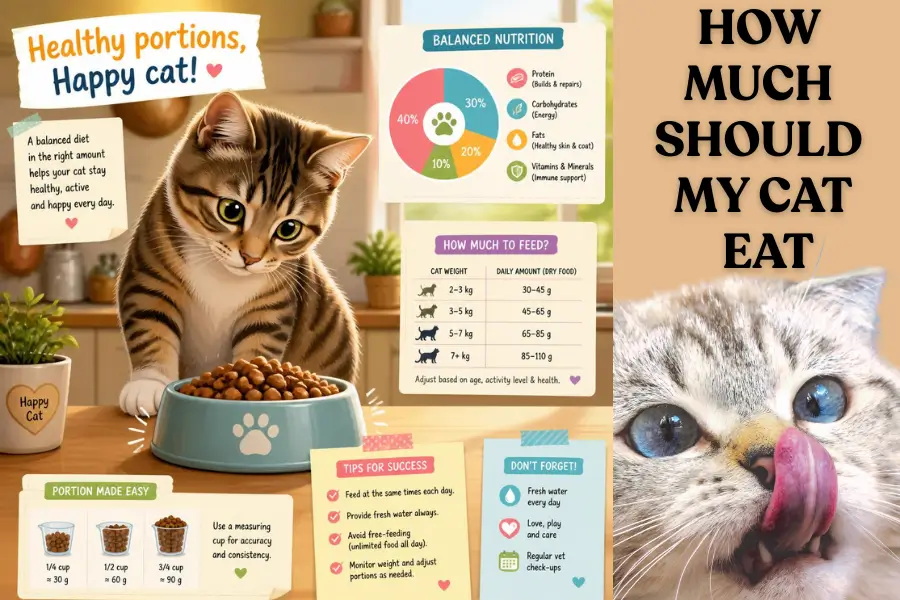
Some cats eat dry food, while others eat wet food. Some need special diets for health reasons. This guide will help you understand your cat’s eating habits. You will learn how to feed your cat safely and correctly every day.
Signs that affect how much your cat eats
- Many things change how much my cat should eat each day.
- Age is a big factor. Kittens eat more often than adults.
- Adults may eat twice a day, while seniors may need smaller portions.
- Weight is another factor. Heavy cats need less food than active cats.
- Health problems can change appetite. Some cats have diabetes or kidney issues.
- The type of food also matters.
- Wet food is heavier than dry food.
- Active cats burn more energy and may need more meals.
- Always watch your cat’s weight and energy level to adjust portions.
How much should my cat eat by age?
1. kittens
Kittens grow fast and need more food than adults. They eat small meals 3 to 4 times a day. High protein food helps them build strong muscles. Fat is important for energy. Kittens also need vitamins and minerals for bones. Measure their food to avoid overeating.
Avoid giving too many treats. Fresh water should always be available. Watching their weight helps you know if portions are correct. Feeding on a schedule helps them stay healthy.
2. Adult cats
Adult cats eat 2 meals a day usually. Their portions depend on size and activity. Active cats may need more food. Overweight cats need smaller portions. Food should be balanced with protein, fat, and fiber. You can use cups or scales to measure food.
Mixing wet and dry food can help digestion. Avoid free feeding because it may cause weight gain. Check your cat’s weight monthly to adjust portions.
3. Senior cats
Older cats may eat less than adults. They may need softer food that is easy to chew. Small, frequent meals help digestion. Watch for weight loss, as it can show health issues. Older cats may need food for kidney or heart health. Include protein to maintain muscles.
How much should my cat eat by weight?
- Portions depend on your cat’s weight.
- Small cats eat less; larger cats eat more. For example, a 5-pound cat may eat 100 grams per day. A 10-pound cat may eat 200 grams per day.
- Wet food and dry food differ in weight.
- Dry food is lighter, so cats eat more volume.
- Always measure food. If your cat gains weight, reduce portions.
- If your cat loses weight, increase food slightly.
- Tracking weight is the easiest way to know how much my cat should eat.
Wet food vs. dry food: portion guide
- Wet food has more water so cats feel full faster.
- It is soft and easy to eat.
- Dry food is crunchy and helps clean teeth.
- Some cats prefer one type over the other.
- You can combine both for balance. Wet food is usually served in grams.
- Dry food is served in cups. Feeding amounts depend on your cat’s size and activity.
- Cats may need 1/2 cup of dry food or 100 grams of wet food per meal.
- Adjust according to weight and energy.
Signs your cat is eating too much or too little
Overeating causes weight gain and low energy. Cats may look round or lazy. Underfeeding causes weight loss and weakness. Healthy cats have shiny fur and alert eyes. Monitor behavior after meals. These signs help know how much should my cat eat safely.
Tips to control your cat food intake
Measure food every day. Avoid leaving food out all day. Use puzzle feeders to slow eating. Limit treats to once or twice a day. Stick to a routine feeding schedule. Mix wet and dry food carefully. Watch weight and adjust portions. Keep water available at all times. These tips help your cat stay healthy and happy.
Homemade food vs. store-bought food
Homemade food can be healthy if balanced. Include protein like chicken or fish. Avoid onions, garlic, or chocolate. Store-bought food is balanced with vitamins and minerals. Wet food or dry food from brands is safe.
Homemade food needs care to avoid missing nutrients. Cats need fat and protein daily. Always consult your vet for special diets. Mix homemade and store food if needed.
How often should cats eat?
Kittens eat 3 to 4 times a day. Adult cats eat twice a day. Senior cats may eat 2 to 3 small meals. Feeding at the same time every day helps digestion. Avoid skipping meals. Consistent routine helps cats feel safe. Feeding too often may cause obesity. Eating too little may weaken your cat.
Common mistakes cat owners make
Many owners overfeed out of love. Free feeding is common but causes obesity. Some give human food that can harm cats. Others ignore changes in appetite. Not measuring food is another mistake. Overfeeding treats is a problem. Feeding too little protein can harm health. Avoid sudden food changes. Watching your cat helps prevent these mistakes.
Veterinarians recommend around 20 calories per pound of body weight daily for an adult cat. For example, 10-pound cat needs 200 calories per day, based on activity level and metabolism.
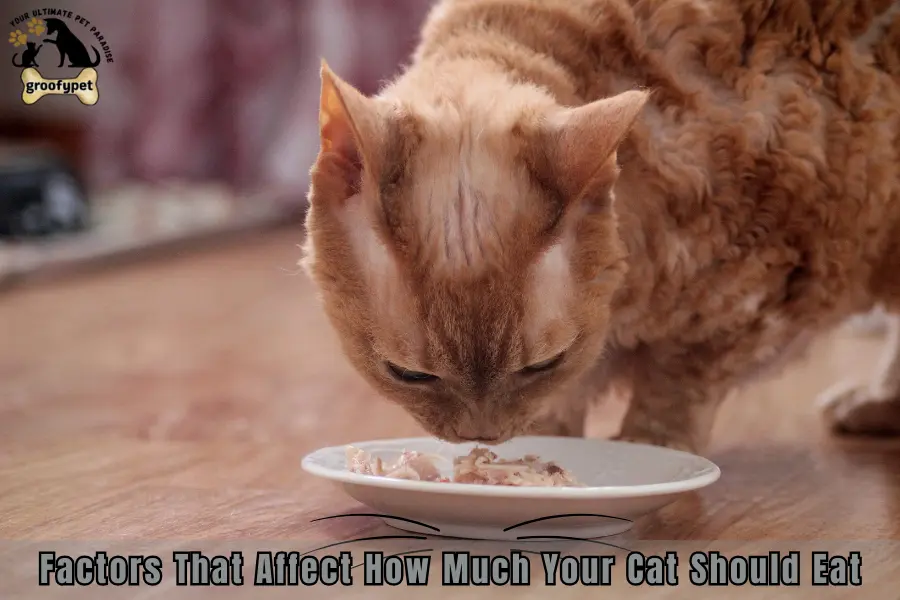
Factors That Affect How Much Your Cat Should Eat
How much should my cat eat? Every cat is unique, and several factors influence its dietary needs:
Age and Life Stage
- Kittens require frequent meals with high calories.
- Adult cats need balanced portions to maintain a healthy weight.
- Senior cats require special diets due to age-related issues.
Weight and Body Condition
An active cat needs more calories than a sedentary or overweight cat. Regular vet checkups is important for your healthy cat.
Activity Level
Playful and energetic cats burn more calories as compared to lazy cats. The indoor cats that remain at home all day require a few calories.
Breed and Size
Larger breeds like Maine Coons generally require a healthy diet as compared to small breeds like Siamese cats.
Health Conditions and Special Needs
Certain medical conditions, such as diabetes or kidney disease, require specific diets.
Also Read : how much does a cat need to eat before insulin?
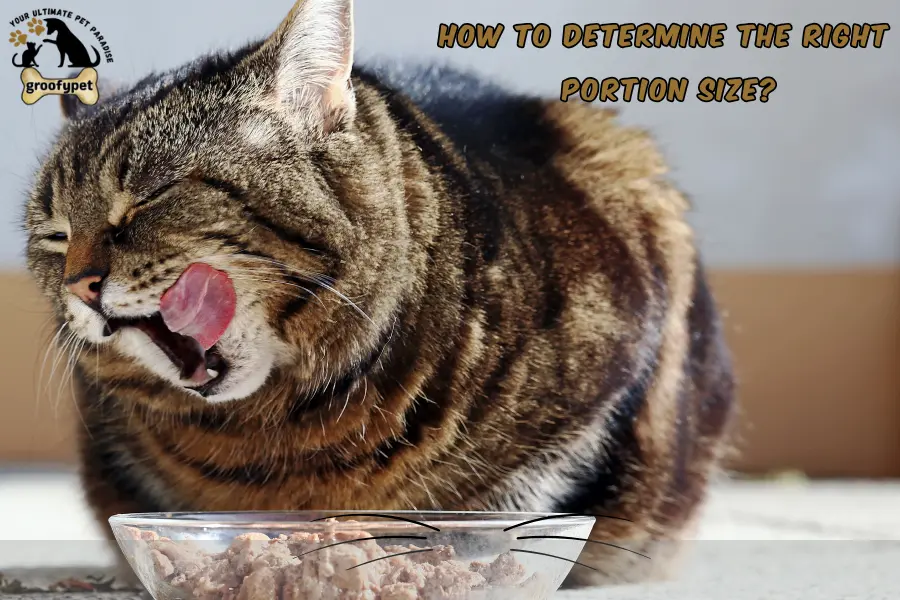
How to Determine the Right Portion Size?
Wet Food vs. Dry Food: How They Differ
Wet food is hydrating and low in calories, while dry food is based on high calories. A mix of both provides a balanced diet.
Calculating Calories for Your Cat
On average, an adult cat requires 20–30 calories per pound of body weight per day. For example, a 10-pound cat needs 200-300 calories daily.
General Feeding Guidelines by Age and Weight
- Kittens (0-12 months)
- Need 4-5 small meals per day.
- High-protein and high-calorie diet.
- Adult Cats (1-7 years)
- Typically, eat 2 meals per day.
- The balance between wet and dry food is recommended
- Senior Cats (7+ years)
- Meals in small portions help in digestion easily.
Must Read : natural remedy cat constipation
How Much Should You Feed Your Cat?
- Free feeding (leaving food out all day) works well for dry food but leads to overeating.
- Scheduled meals help regulate portion control and prevent obesity.
Best Feeding Schedule for Different Life Stages of Your Cat
Kittens: 4-5 meals per day.
Adult cat: 2 meals per day.
Senior cat: 2-3 smaller meals to ease digestion.
Signs Your Cat is Eating Too Much
- Overfeeding Symptoms and Risks
- Weight gain and obesity.
- Lethargy and difficulty moving.
- Vomiting or digestive issues.
Underfeeding Symptoms and Risks
- Visible ribs or spine.
- Lack of energy and laziness.
- Frequent meowing for food.
Tips for a Healthy Feeding Routine

- Measuring Food Properly
- Use a measuring cup or scale to ensure accurate portions.
- Transitioning to a New Diet Safely
- Gradually mix the new food with the old food over 7-10 days to prevent digestive issues.
- Keeping Your Cat Hydrated
- To make fresh water available in the diet.
- Wet foods also contribute to hydration.
How much should my cat eat wet food?
Your cat’s wet food needs are pretty simple. Most adult cats do well working with about 4-6 ounces of wet food daily in two meals. But it depends on your cat’s size, how active it is, and which brand you’re feeding it.
How much should an adult cat eat?
Most adult cats need about 1/2 to 2/3 cup of dry food or 4-6 ounces of wet food daily, divided into two meals. Active cats need more food than lazy ones, and smaller cats need less than larger cats. Check the feeding guidelines of your cat properly.
How much to feed a cat chart?
Domestic Cats
| Type | Breeds | Dietary Plan |
|---|---|---|
| Shorthair | American Shorthair, British Shorthair, Domestic Shorthair, Exotic Shorthair | High-protein diet, balanced dry and wet food, occasional lean meats |
| Longhair | Persian, Maine Coon, Ragdoll, Norwegian Forest Cat | High-protein, omega-3-rich diet for coat health, wet food for hydration |
| Curly-Coated | Selkirk Rex, Cornish Rex, Devon Rex | Protein-rich food, hypoallergenic diet if needed |
| Hairless | Sphynx, Peterbald, Donskoy | High-calorie, frequent meals, fatty acids for skin health |
Wild Hybrid Cats
| Type | Breeds | Dietary Plan |
|---|---|---|
| Bengal Type | Bengal, Toyger, Serengeti | Raw or high-protein diet, minimal carbohydrates |
| Savannah Type | Savannah, Chausie | High-protein, lean meats, and wet food to support hydration |
| Other Hybrids | Caracat, Cheetoh | Raw or fresh meat-based diet, high-quality kibble |
Oriental Cats
| Type | Breeds | Dietary Plan |
|---|---|---|
| Siamese Type | Siamese, Oriental Shorthair, Balinese, Tonkinese | High-protein diet, small frequent meals, limited carbs |
| Japanese Type | Japanese Bobtail, Kurilian Bobtail | Fish-based diet, taurine-rich food, balanced nutrients |
Rare & Exotic Cats
| Type | Breeds | Dietary Plan |
|---|---|---|
| Unique Patterns | Ocicat, Egyptian Mau, Singapura | High-protein, wet and dry food mix, vitamin supplements |
| Wild Features | Turkish Van, Turkish Angora, Somali | Meat-based diet, wet food preferred, grain-free options |
| New Breeds | Lykoi, Khao Manee | High-protein, omega-3, and taurine-rich diet |
Caloric Needs for Cats Based on Weight and Condition
| Cat Weight | Spayed/Neutered | Intact | Prone to Obesity | Weight Loss |
|---|---|---|---|---|
| 5 lbs | 125 kcal | 175 kcal | 100 kcal | 75 kcal |
| 8 lbs | 200 kcal | 280 kcal | 160 kcal | 120 kcal |
| 10 lbs | 250 kcal | 350 kcal | 200 kcal | 150 kcal |
| 12 lbs | 300 kcal | 420 kcal | 240 kcal | 180 kcal |
| 15 lbs | 375 kcal | 525 kcal | 300 kcal | 225 kcal |
| 18 lbs | 450 kcal | 630 kcal | 360 kcal | 270 kcal |
| 20 lbs | 500 kcal | 700 kcal | 400 kcal | 300 kcal |
Frequently Asked Questions
Final Thoughts
How much should my cat eat? Feeding your cat the right amount of food is important for its health and happiness. Consider age, weight, activity level, and health conditions when determining a diet plan. Be consistent with the feeding schedule, measure portions correctly, and make sure your cat is properly hydrated.
How Long Does Catnip Last? The Key to Feline Happiness
Cat Litter How To Dispose: Eliminate Odors Instantly!
Can Cats Eat Shrimp? A Surprising Way to Pamper Your Pet!