Dog ear bleeding can be anxiety for any pet owner. It often signals an underlying issue that requires attention. The excessive bleeding combined with your dog’s discomfort can make the situation even more alarming. Understanding the potential causes, symptoms, and treatment options is important for keeping your dog safe and healthy.
Ear conditions in dogs can range from minor injuries to serious infections. Even cancer requires different approaches to care. While ear bleeding itself is a symptom, it often points to more serious issues that need immediate attention. Early intervention can prevent long-term damage and ensure your pet’s well-being.
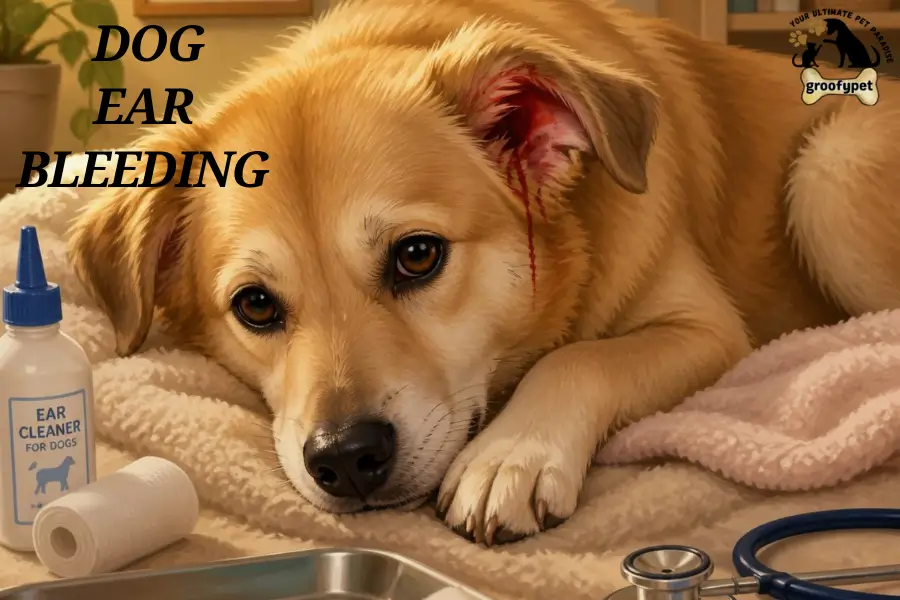
This article delves into the various reasons behind ear bleeding, symptoms to look for, immediate first aid steps, and what to expect from veterinary care, helping you navigate this concerning condition with confidence and care.
- Dog ear bleeding can be caused by a number of issues, including ear infections, inflammation, trauma, and allergies.
- Recognize the warning signs like excessive scratching or head shaking.
- Seeking veterinary care is essential. Dog ear bleeding may require specialized treatment to know the underlying cause.
- Precautions such as regular ear cleaning and monitoring can help to maintain your dog’s ear.
- Understanding the potential causes and treatment options can empower you to provide the best possible care for your canine companion.
Recognizing the Signs of Dog Ear Bleeding
It’s key to spot dog ear bleeding symptoms and canine ear bleeding indicators early. This helps you care for your dog quickly and well. Watch your dog’s actions and check their ears often to catch problems early.
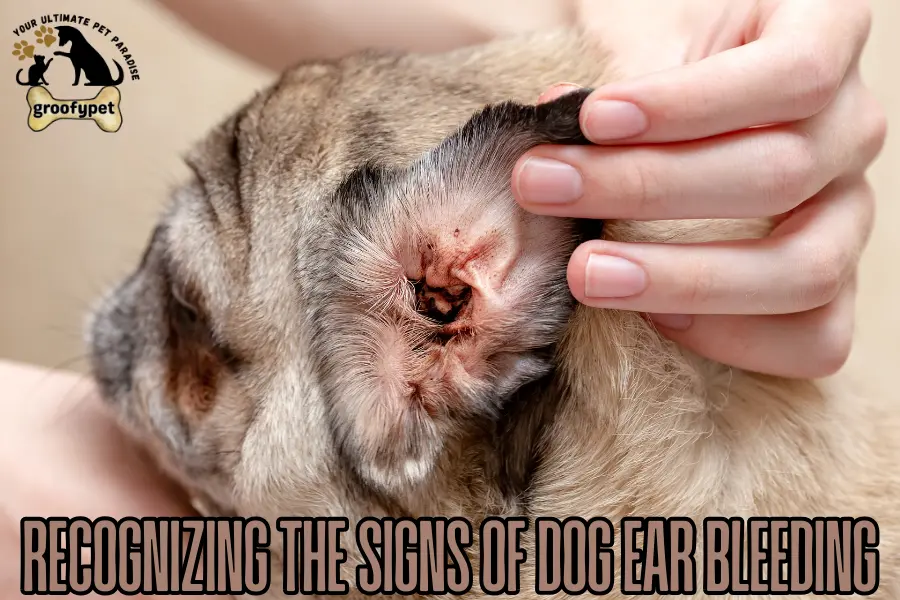
Here are some common signs of ear bleeding in dogs:
- Visible blood in or around the ear
- Excessive head shaking or scratching at the ear
- Signs of pain or discomfort, such as whining or wincing
- Redness, swelling, or inflammation in the ear’s inner area
Keep an eye on your dog’s behavior and check their ears on a regular basis. Spotting ear bleeding in dogs early can lead to quick vet care and avoid bigger issues.
Potential Causes of Dog Ear Bleeding
Canine ear bleeding is a worrying issue. It’s important to know the different reasons behind it. Finding out why your dog’s ears are bleeding and how to choose the right treatment. Let’s look at some common reasons for ear bleeding in dogs.
1) Ear infections
Ear infections are a main cause of ear bleeding in dogs. These can be from bacteria, fungi, or ear mites. These infections can make the ear skin inflamed and sometimes bleed. Signs include redness, swelling, and a bad smell in the ear.
2) Ear trauma
Ear trauma is another cause of ear bleeding in dogs. This can happen from injuries like scratches or cuts. It can also come from shaking the head too much. Such trauma can hurt the blood vessels, causing bleeding and pain for your dog.
3) Immune problems
Some medical conditions like blood clotting or immune problems can cause bleeding in a dog’s ear. To know the causes of dog ear bleeding is important. By working with your vet you can find the cause and get a treatment plan.
Dog Ear Infections and Discomfort
Ear infection is a common cause of bleeding in dogs. Bacterial, fungal, and yeast infections cause bleeding in a dog’s ear. It is important to know types of ear infections. It helps to get the right treatment for your dog.

Types of Ear Infections and Their Symptoms
There are different types of dog ear infections that can cause a smell in a dog’s ear.
Bacterial Ear Infections: This infection shows redness, swelling, discharge, and a bad smell. Dogs scratch their ears a lot and show pain.
Fungal Ear Infections: These infections have a dark, waxy discharge and excessive itching. Dogs shake their heads a lot.
Yeast Infections: Yeast infection has a brown, greasy discharge and a yeasty smell. Dogs feel a lot of types of ear infections and discomfort.
If you see any of the symptoms in your dog, get veterinary help right away and treat it properly.
Ear Trauma and Injuries in Dogs
Ear trauma, like scratches or cuts, can be scary for dogs. It can cause bleeding and needs quick help to avoid more problems. We’ll look at why ear trauma happens in dogs and how to help them.
Common Causes of Ear Trauma in Dogs
- Scratches from the dog’s own nails or from sharp objects
- Dog ear trauma can happen during play or while exploring
- Puncture wounds from sticks, thorns, or sharp objects
- Ear injuries in dogs can also come from fights or aggressive behavior
Any injuries leading to ear bleeding in dogs need quick attention. This helps prevent infection and more damage.
Recognizing the Signs of Ear Trauma
If your dog has ear trauma, look for these signs:
- Excessive scratching or pawing at the ear
- Redness, swelling, or visible cuts or punctures on the ear
- Sensitivity or pain when touching the ear
- Ear bleeding or discharge from the affected ear
If you think your dog has an ear injury, get vet help fast. They can check and treat it right.
Providing First Aid for Ear Trauma
Here’s what to do for ear trauma in dogs:
- Gently clean the area with a warm, damp cloth to remove debris or blood.
- Use a cold compress or ice pack to reduce swelling and pain.
- Avoid touching or irritating the injured ear more, as it can make things worse.
- Get vet care as soon as you can, even for small injuries.
Quick action and the right treatment are key. They help your dog’s ear injuries heal well.
Dog Ear Bleeding from Allergies
One unexpected cause of dog ear bleeding is allergies. Allergic reactions can cause inflammation, intense itchiness, and even small blood vessel rupture in the ear. This leads to bleeding. It’s important to understand how dog allergies can cause ear bleeding to manage and treat it properly.
The ear may appear red, inflamed, or swollen, indicating an underlying issue. Paying attention to your dog’s behavior and regularly examining their ears can help you identify any ear bleeding in dogs.
How to Know the Risk of Excessive Dog Bleeding
Ignoring your dog’s ear bleeding can lead to several serious risks:
1-Infection
Untreated bleeding can lead to infections as pus may accumulate in the ear flap, increasing the risk of systemic infections that could affect your dog’s overall health .
2-Chronic Pain and Discomfort
Continued irritation and pressure from untreated hematomas or infections can cause ongoing pain for your dog, leading to distress and behavioral changes.
3-Nerve Damage
Decreased blood supply from swelling may result in long-term nerve damage, affecting your dog’s ear function and overall well-being.
4-derlying Health Issues
Ignoring symptoms may allow underlying conditions, such as allergies or infections, to potentially lead to more severe health problems that require extensive treatment.
Issues, Causes, Solutions, and Prevention related to Dog Ear Infection
|
Issue |
Description |
Causes |
Solutions |
Prevention |
| Dog Ear Bleeding | Sudden or persistent bleeding from a dog’s ears can be alarming. | Ear infections, trauma, mites, or foreign objects. | Clean the ear, stop bleeding with gentle pressure, and visit a vet. | Regular ear cleaning, avoid rough play, and check for signs of infection or mites regularly. |
| Symptoms | Visible blood, head shaking, ear scratching, foul odor, and discomfort. | Bacterial or fungal infections, allergies, or insect bites. | Antiseptic washes, medicated ear drops, and antibiotics if needed. | Use vet-recommended ear cleansers, avoid allergens, and keep your dog’s environment clean. |
| Potential Complications | Infections, hematomas (blood clots), and chronic ear issues if untreated. | Untreated infections or deep wounds. | Prompt veterinary care and surgery for hematomas if necessary. | Routine vet visits and early detection of ear issues to avoid complications. |
| When to See a Vet | If the bleeding persists for more than a few minutes or is accompanied by other concerning symptoms. | Severe trauma, deep wounds, or signs of infection. | Immediate veterinary examination and treatment. | Regular checkups and maintaining ear hygiene to prevent severe issues from developing. |
How can I manage my dog’s ear health to prevent future bleeding?
To manage your dog’s ear health and prevent future bleeding, consider the following strategies:

Routine Ear Cleaning
Regular Cleaning: Use vet-approved ear cleaner to keep ears free from dirt, which helps to reduce the risk of infections.
Nail Trimming
Keep Nails Short: Regularly trim your dog’s nails to minimize injuries from scratching, which can lead to bleeding.
Prevent Trauma
Limit Rough Play: Supervise playtime to avoid activities that could cause head trauma or excessive shaking of the ear.
Use Collars: If your dog is used to scratching its ears, consider using a collar to prevent further injury.
Address Underlying Conditions
Veterinary Check-ups: Schedule regular vet visits to monitor ear health and catch any early signs of infection or inflammation.
Manage Allergies: Identify and manage any allergies your dog may have, as they can lead to ear inflammation and scratching.
Monitor for Symptoms
Watch for Changes: Be alert for signs of ear infections (redness, swelling, discharge) and seek veterinary care promptly if symptoms arise.
Use Warm Compresses
Apply Warm Compress: Gently applying a warm compress can help to reduce swelling and improve blood circulation in the ear.
By implementing these prevention measures, maintain your dog’s ear health and reduce the likelihood of future bleeding.
What causes ear bleeding in dogs?
- Trauma: Injuries from fights or scratching.
- Infections: Bacteria or fungus infections.
- Ear Hematomas: Blood pooling due to head shaking.
- Parasites: Ticks or mites causing irritation.
- Health Issues: Allergies or tumors.
What symptoms indicate a problem?
- Visible blood in the ear.
- Excessive scratching or head shaking.
- Pain when touched.
- Unusual discharge or odors.
- Swelling or balance issues.
What should I do if my dog ear bleeds?
- First Aid: Apply medication firstly at home, pressure to minor cuts.
- Vet Care: Contact your vet if bleeding starts.
What treatments might a vet recommend?
- Medications: Antibiotics and pain relief.
- Surgery: For severe injuries or hematomas.
- Cleaning: Removal of wax inside dog ear.
- How can I prevent future bleeding?
- Regularly check and clean ears.
- Avoid rough play that could cause injuries.
- Address health issues promptly with your vet.
Common reasons a dog’s ear may bleed
- Scratching or shaking the head: Often caused by ear infections, ear mites, allergies, or something stuck in the ear. Dogs scratch hard and can break the skin.
- Inside the ear bleeding: Could be from an infection, inflammation, trauma, mites, or a foreign object. This should be checked by a vet.
- Tip/edge/end of the ear bleeding: The ear flap has many blood vessels, so even a small cut can bleed a lot. This often happens after scratching, bites, rough play, or shaking the head.
- After a fight or bite: Could be a puncture wound or torn tissue. Bite wounds can look small outside but be worse underneath and often get infected.
- After cleaning: The ear may have been irritated, scratched by a nail, or cleaned too deeply. Never put cotton swabs deep into the ear canal.
Why is your dog shaking their head?
Head shaking usually means the ear is irritated or painful. Common reasons:
- Ear infection
- Ear mites
- Allergies
- Water in the ear
- Foreign body like a grass seed
- Injury to the ear flap or ear canal
Repeated head shaking can also cause an aural hematoma, which is a swelling of the ear flap caused by broken blood vessels.
What to do right away at home?
If the bleeding is mild and from the outer ear flap:
- Keep your dog calm
- Head shaking makes bleeding worse.
- Apply gentle pressure
- Use clean gauze or a soft cloth.
- Hold pressure for 5–10 minutes without checking constantly.
- If bleeding is from the tip or edge of the ear
- Fold the ear flap gently against the head and keep pressure on it.
- You can wrap the head lightly with gauze to hold the ear in place, but not too tight.
- Prevent scratching
- Use an E-collar/cone if you have one.
- Clean only the outside if needed
- If there is dried blood on the outer ear, wipe gently with saline or a damp cloth.
- Do not pour peroxide, alcohol, or ointments deep into the ear canal.
How to stop dog ear bleeding at home?
For a small cut on the ear flap:
- Apply pressure with clean gauze.
- Keep the ear still against the head.
- Use a cone to stop scratching.
- If available, a pet-safe styptic powder may help for a tiny nick on the ear edge, but avoid getting it into the ear canal.
When does it need a vet?
See a vet promptly if:
- Bleeding is inside the ear
- The ear is swollen, painful, smelly, or has discharge
- Your dog keeps shaking its head
- The bleeding won’t stop after 10–15 minutes of firm pressure
- It happened after a fight or bite
- There is a deep cut, torn ear, or puncture wound
- Your dog seems very painful, weak, or unwell
- There’s repeated bleeding from the ear tip or edge
Specific situations
Dog ear bleeding from scratching
Usually means there is an underlying cause like infection, mites, or allergies. Stopping the scratching is important, but the real problem still needs treatment.
Dog ear bleeding after fight or bite
Needs a vet exam because bite wounds often become infected and may need antibiotics, pain relief, or repair.
Dog ear bleeding after cleaning
Stop cleaning, apply pressure if the outer ear is bleeding, and have the ear checked if the bleeding seems to come from inside.
Dog ear bleeding inside
This is more concerning than a surface cut. Do not put anything into the ear. Your dog should be seen by a vet.
Tip/edge/end of ear bleeding
This area tends to reopen because dogs shake their heads. Pressure, keeping the ear wrapped gently against the head, and preventing scratching can help until your vet visit.
Important things not to do
- Don’t use cotton swabs deep in the ear
- Don’t pour hydrogen peroxide or alcohol into the ear canal
- Don’t ignore repeated head shaking or scratching
- Don’t wrap the head so tightly that it affects breathing or circulation
Frequently Asked Questions
Why is my dog’s ear bleeding?
A dog’s ear may bleed because of scratching, head shaking, ear infections, ear mites, allergies, cuts on the ear flap, bites, trauma, or irritation after cleaning. Bleeding from inside the ear is more concerning than a small cut on the outside.
Why is my dog’s ear bleeding inside?
Bleeding inside the ear can be caused by an ear infection, inflammation, trauma, mites, a foreign object, or injury from scratching. Since the ear canal is delicate, bleeding from inside the ear should be checked by a vet.
Why are my dogs shaking their heads and bleeding from the ears?
Head shaking usually means the ear is painful or irritated. Common causes include ear infections, mites, allergies, water in the ear, or an object stuck inside. The shaking can worsen bleeding and may even lead to an aural hematoma.
What should I do if my dog’s ear is bleeding?
First, keep your dog calm. Apply gentle but firm pressure with clean gauze or a soft cloth for 5 to 10 minutes. If the bleeding is from the ear flap, hold the ear against the head. Prevent scratching with an E-collar if possible. If bleeding is heavy, inside the ear, or does not stop, contact your vet.
How do I stop my dog’s ear from bleeding at home?
For a small cut on the outer ear flap:
- Apply firm pressure with clean gauze
- Keep the ear still against the head
- Prevent scratching and head shaking
- Use a cone if available
Do not put alcohol, peroxide, or ointments deep into the ear canal.
How do I stop bleeding from the tip of my dog’s ear?
The tip of the ear has many blood vessels, so it may bleed a lot even from a small wound. Apply steady pressure with gauze, gently fold the ear against the head, and hold it there. A light bandage may help keep it in place, but it should not be too tight. If it keeps reopening, your dog should see a vet.
How do I stop bleeding from the edge or end of my dog’s ear?
Bleeding from the edge or end of the ear is often caused by scratching, rough play, or head shaking. Apply pressure, keep the ear still, and stop your dog from scratching. Repeated bleeding from the same area may need veterinary treatment.
My dog’s ear is bleeding from scratching. What does that mean?
Bleeding from scratching often means the ear is itchy because of an infection, mites, allergies, or irritation. The scratching causes the skin to break. Stopping the bleeding helps temporarily, but the underlying cause needs treatment.
How do I treat dog ear bleeding from scratching?
Apply pressure if the bleeding is on the outer ear, clean only the outside gently if needed, and prevent more scratching with a cone. Your dog may still need a vet exam to diagnose ear infection, mites, or allergies.
Conclusion
Maintaining your dog’s ear health is important for preventing issues such as bleeding, infections, and chronic discomfort. By regular cleaning, monitoring, and dealing with such conditions, you can significantly reduce the risk of ear problems.
Additionally, being proactive in managing your dog’s environment and playtime can help prevent trauma. Regular veterinary check-ups are important for early detection and treatment of any potential issues. With proper care and attention you can make sure your furry friend remains happy and healthy and free from ear-related complications.
How To Prepare Deer Bone For dog? Explore Full Benefits!
Can Dogs Get Ingrown Toenails? Prevent Pain with Simple Care!
How To Relieve Dog Itching After Grooming? Natural Remedies!