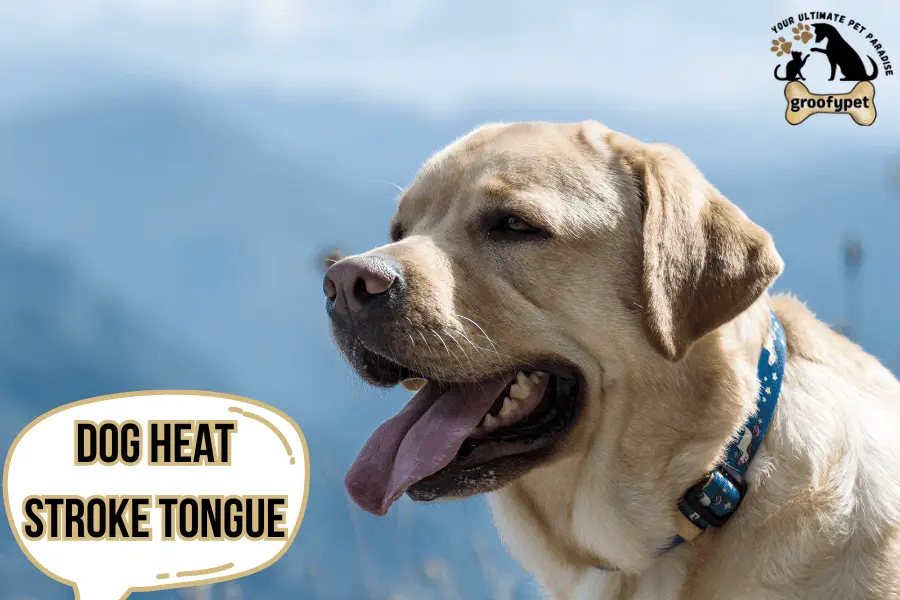
Dogs unlike humans are notoriously bad at dissipating body heat making them highly vulnerable to heat-related issues. On hot days it is crucial for dog owners to watch for early signs of heatstroke and hyperthermia to avoid serious outcomes. Dog heat stroke tongue is concerning issue for dog owners.
Leaving your dogs outside in extreme conditions whether it is cold weather or hot weather can be dangerous for them. While it is true that some people worry about leaving a dog out on a hot day, it’s important to recognize that dogs are at risk of developing heat stroke especially during hot weather.
The most severe levels of heat stroke often come with neurological symptoms which can be extremely serious. In such cases a call to the vet is essential. This article is describing the symptoms of heat stroke in dogs and helping dog owners understand how heat stroke occurs. If your dog starts exhibiting signs of heat stroke, immediate action is critical. Additionally, we’ll be giving helpful tips to prevent heat stroke in dogs to ensure their safety during warm seasons.
What Is Heatstroke?
This rise leads to hyperthermia which is more severe than a fever. Dogs have an ability to cool down on their own which makes them vulnerable to suffering from heat related issues. To manage excess heat dogs rely on panting to evaporate moisture from their tongue, nasal passages and lungs. As the air passes through these moist tissues it helps to cool them down.
During heat stroke the blood vessels in the ears and face undergo vasodilation meaning they expand to allow more overheated blood to reach the skin’s surface where it can cool down.
Can dogs get heat stroke?
However, if the dog’s body temperature continues to rise this natural cooling process becomes less effective. The lining of their tongues and other moist tissues cannot cool down fast enough and it feels in trouble, leading to potentially life-threatening situations. It’s important to monitor your dog’s behavior, especially in hot weather to ensure they don’t overheat and to act quickly if they show signs of heat stroke.
How does Heat affect dogs?
In very hot weather dogs can struggle to cool themselves down especially certain breeds like English Bulldogs, French Bulldogs and Pugs. These brachycephalic dog breeds have short noses making it harder for them to pant and regulate their body temperature. Panting is how dogs naturally manage heat but when the air is too warm this becomes ineffective.
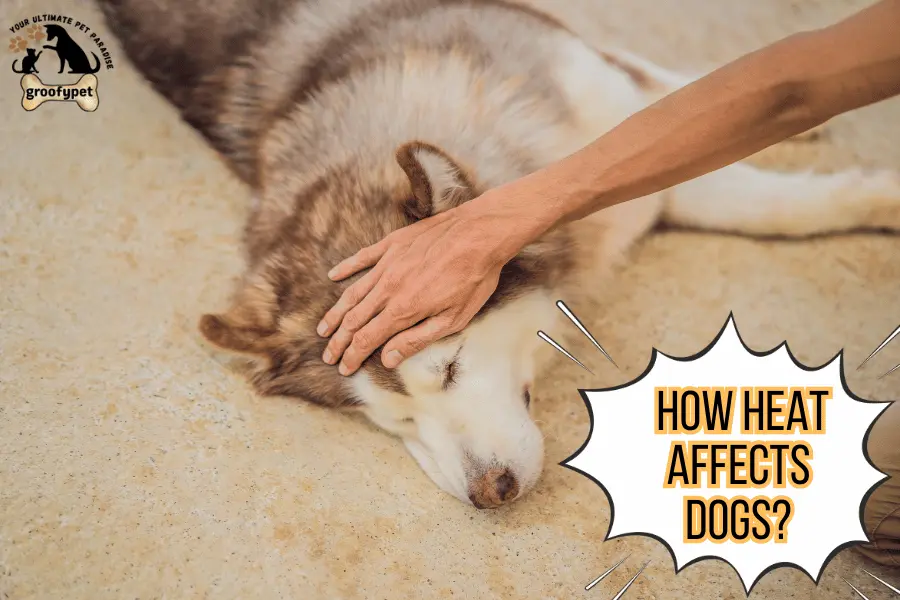
Old dogs are also more susceptible to heat stroke as their bodies have a tougher time handling high temperatures. Keeping your pet safe in the heat requires close attention especially if they belong to high risk groups. Regular breaks and lots of water can help them stay cool and prevent your dog from dangerous heat exposure.
Why Do Dogs Experience Heatstroke?
Heatstroke in dogs commonly occurs during peak heat and high humidity. The main factors include:
Sensitive Breeds
Some dogs can experience heatstroke, certain breeds especially longhaired and brachycephalic (short-nosed) dogs are more sensitive.Certain sensitive breeds are more prone to heat stroke due to their physical characteristics. Brachycephalic breeds like Bulldogs, Pugs, and Boxers have shorter snouts, making it harder for them to pant and cool down efficiently.
Age Sensitivity
Puppies and older dogs are at a higher risk of heat related illnesses. Age sensitivity plays a critical role in how dogs respond to heat stroke, with older dogs being more vulnerable. As dogs age, their ability to regulate body temperature decreases, making them more susceptible to overheating and related health risks during hot weather.
Fitness Levels
Dogs that are out of shape are more at risk when exerting themselves in intense heat. dog’s fitness levels greatly influence its susceptibility to heat stroke, with less fit or overweight dogs being at higher risk. Dogs with better fitness levels tend to handle heat more effectively, as their bodies are more efficient in regulating temperature and managing physical stress.
Impact of Weight
Overweight dogs are more likely to suffer from heatstroke. A dog’s weight significantly affects its risk of heat stroke, as overweight dogs struggle to regulate body temperature efficiently. Excess fat acts as insulation, trapping heat inside the body and increasing the likelihood of overheating during hot conditions.
Underlying Health Issues
Underlying health issues in dogs, such as heart disease or respiratory problems, can make them more vulnerable to various health risks, including infections and fatigue. These conditions often go unnoticed until they worsen, making regular vet check-ups crucial for early detection and management. Conditions such as hypothyroidism, heart disease and laryngeal paralysis increase risk of heat stroke in dogs.
Environmental Triggers
The most common cause of heatstroke is leaving a dog in a closed car where the temperature can rise to high levels. Keeping your puppy in a crate or pen without access to shade or fresh water also increases the risk of heat stroke.
Water Deprivation
Water deprivation significantly increases the risk of heat stroke in dogs. Without access to fresh water, dogs struggle to regulate their body temperature, making them more vulnerable to overheating. Dehydration leads to rapid panting, a dry mouth, and lethargy, escalating the severity of heat stroke. Not having enough water provided to your dog can cause heat stroke.
Climate Adjustments
A sudden shift to a warmer environment can cause heat stroke if dogs are not ready to accept such types of environmental conditions. Dogs adapt to climate changes during heat stroke through behaviors like panting, seeking shade, and lying on cooler surfaces. However, extreme heat can overwhelm their natural cooling mechanisms, leading to dangerous conditions.
Understanding these causes can help dog owners keep their pets safe in extreme weather.
Signs of Heat Stroke in Dogs You Should Know
Here are some of the key symptoms of heat stroke in dogs that based on the severity of the condition. Dogs experiencing mild heat stroke will show different signs compared to those with more serious cases.
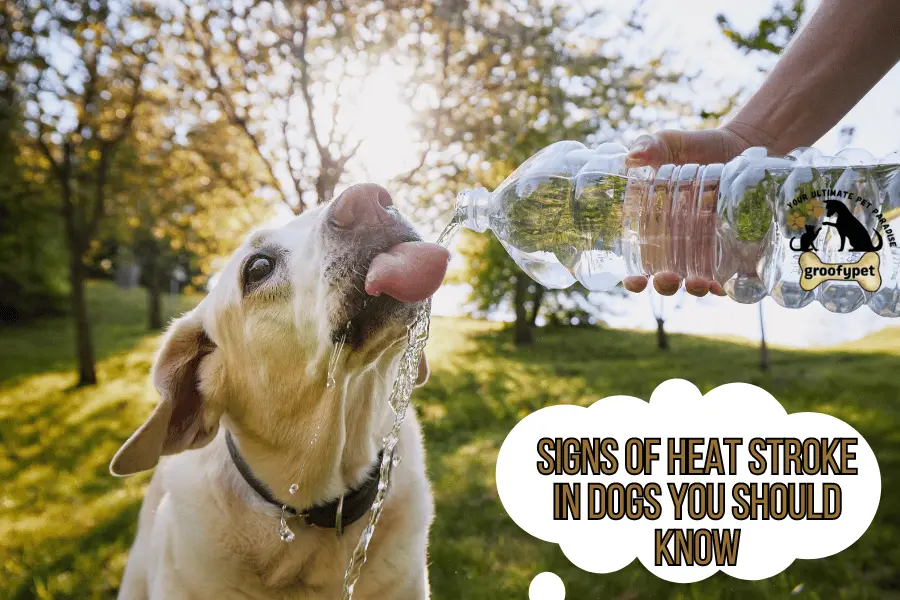
Let’s break down the symptoms by their intensity, so you know what to watch for when your dog is exposed to extreme heat.
Dog heat stroke treatment
Dog heat stroke treatment requires immediate action. Use damp towels on their body, especially around the neck, and apply cool water to their paws and ears. Avoid using ice-cold water as it may constrict blood. Seek veterinary help immediately while continuing to cool your dog during transport. A vet provides IV fluids, oxygen therapy, or medications to stabilize body temperature and prevent complications like organ failure.
Having experienced my dog’s heat stroke last summer, I learned the importance of recognizing early signs like excessive panting, drooling, or lethargy. Now, I always carry water during walks and avoid hot midday outings, ensuring my pet stays safe. Heat stroke can be prevented by never leaving dogs in hot cars, providing shade and water, and adjusting exercise routines during warm weather.
Early Signs of Mild Heat Stroke
In the early stages, minor heat stroke may display the following symptoms:
- Heavy panting
- Excessive drooling
- Bright red gums and tongue
- Hot skin when touched
- Lethargy
- Signs of dehydration
- Dry nose and eyes
- An increase in heart rate
By keeping an eye on these heat stroke symptoms you can take quick action to prevent the condition from suffering bad conditions.
Signs of Moderate Heat Stroke in Dogs
When it comes to moderate heat stroke dogs display symptoms similar to those seen in minor heat stroke but they tend to be more severe and apparent. Here are the common signs to look out for:
- Increased panting and labored breathing
- Excessive drooling
- Elevated body temperature (over 104°F)
- Vomiting or diarrhea
- Weakness or lethargy
- Hyperactivity or agitation
- Difficulty maintaining balance
- Immediate Action Required
Moderate heat stroke is still a serious condition. If you notice any of these signs found in your dog ,it is important to contact your veterinarian . Your vet can guide you how to safely cool your dog down and what precautions are required.
Signs of Severe Heat Stroke
Dogs will have severe heat stroke when they start exhibiting signs of shock. Signs of severe heat stroke in dogs include:
- White or blue nose, gums, and tongue (also potentially around the eyes)
- Rapid heat rate with a drop in blood pressure (heart rate becomes irregular if left untreated)
- Quick and labored breathing
- Dilated pupils
- Signs of severe dehydration
- Muscle tremors
- Seizures
- Extreme lethargy
- Urinating uncontrollably
- Collapse
Severe heat stroke is a life threatening condition in dogs. As a result it should be treated as a medical emergency, If dogs exhibiting signs of severe heat stroke should be taken to the vet and crating a dog also .
Steps to Take If Your Dog is Suffering from Heat Stroke
Call Your Vet
The first step you should take if you suspect your dog is suffering from heat stroke is to call your vet first. It is essential because a veterinarian can help assess your dog’s condition and can guide you safely and gradually cool them down.
Work Towards Cooling Them Down Gradually
If your dog is not showing signs of shock your vet will likely recommend cooling them down gradually before heading to the vet’s office. For mild cases of heat stroke, providing your dog with fresh water and moving them into an air-conditioned environment is usually sufficient to help them return to normal.
In more severe cases you can cool your dog gradually with cool (not cold) water. Gently splash cool water onto your dog using a towel or washcloth. It’s important to frequently monitor your dog’s temperature during this process to avoid hypothermia. Stop cooling them once their temperature is back to the normal range.
How to Prevent Heat Stroke in Dogs: Tips for Caring for Your Dog
| Prevention Tips | Details | Signs of Heat Stroke | Additional Advice |
| Keep Dogs Inside on Very Hot Days | Avoid long walks or strenuous exercise on extremely hot days. If it’s too hot for you, it’s too hot for your dog. | Excessive panting, drooling, or lethargy | Schedule walks during cooler parts of the day, like early morning or late evening. |
| Provide Cooling Options | If you must go outside, offer your dog cooling options like kiddie pools filled with cool water, sprinklers, or shaded areas to relax in. | Weakness or unsteady walking | Consider using pet cooling vests or mats to help regulate body temperature. |
| Ensure Proper Hydration | Keep your dog well-hydrated on hot days and after vigorous exercise. Dehydration not only raises the risk of heat stroke but can also be dangerous for dogs. | Rapid heartbeat or confusion | Always carry water during outings and encourage regular drinking breaks. |
| Limit Outdoor Activities | Minimize outdoor playtime during peak heat hours to avoid overheating. | Vomiting or diarrhea | Use indoor games or mental stimulation activities to keep your dog entertained. |
| Watch for Humidity | High humidity can increase the risk of heat-related issues, even at lower temperatures. | Seizures or collapse | If humidity is high, take extra precautions and monitor your dog’s behavior closely. |
This table adds depth and clarity, helping readers understand both prevention and recognition of heat stroke in dogs while providing additional advice for dog care in hot weather.
Prevention Is the Best Medicine for your Dog
Prevention is the best way to keep your dog safe from heat related problems. Giving the right treatment can make the difference between a quick recovery and serious complications. Some veterinarians say that once a dog has heat stroke they are more likely to have it again.
Dog heat stroke purple tongue
A dog’s tongue may turn purple during heat stroke because blood circulation slows and oxygen levels drop, signaling serious overheating. This often happens alongside heavy panting, drooling, and weakness, showing that the dog’s body is under stress.
A purple tongue indicates that internal organs may be affected and immediate cooling is necessary to prevent permanent damage. Owners should move their dog to a shaded, cool area and offer small sips of water carefully.
Applying lukewarm water to the body gradually helps reduce body temperature safely without shocking the dog. Veterinary attention is essential to ensure full recovery and prevent life-threatening complications from heat stroke.
Dog tongue color heat stroke
Heat stroke can cause a dog’s tongue to change color, often becoming bright red, dark red, or even purple. These changes happen because the dog’s body struggles to regulate temperature effectively during extreme heat exposure.
Discoloration usually appears alongside heavy panting, drooling, weakness, and disorientation. Early recognition of tongue color changes helps prevent organ damage and increases the dog’s chances of recovery.
Veterinarians examine the tongue to determine the severity of heat stroke and decide on treatment. Acting quickly when noticing abnormal tongue colors can save a dog’s life in hot weather.
Dog tongue shape heat stroke
During heat stroke, a dog’s tongue may swell, become flabby, or appear thicker than usual due to dilated blood vessels. Swollen tongues make panting less efficient, slowing the dog’s natural cooling process and increasing overheating risk.
Owners may also notice drooling, weakness, unsteady walking, and difficulty breathing. Immediate action includes moving the dog to a cooler area and offering water to lower body temperature.
Veterinary care is necessary to monitor tongue and organ health and prevent permanent damage. Early intervention typically leads to full recovery and reduces severe heat stress complications.
Is it normal for a dog’s tongue to be hot?
A slightly warm tongue is normal after exercise, but an extremely hot tongue can indicate heat stress or early heat stroke. Other warning signs include rapid panting, drooling, lethargy, and unsteady movement.
Ignoring an overheated tongue can allow body temperature to rise dangerously, potentially causing organ failure. Owners should provide shade, water, and reduce activity if the tongue feels excessively hot.
Monitoring tongue temperature is an easy way to catch early signs of heat-related illness. Quick action based on tongue warmth can prevent severe complications and protect a dog’s health.
Why is my dog’s tongue hot?
A dog’s tongue becomes hot when body temperature rises and panting alone cannot release enough heat efficiently. Heat stress causes blood vessels to expand, making the tongue feel warmer than normal. Accompanying symptoms may include bright red color, excessive drooling, rapid heartbeat, weakness, and fatigue.
Moving the dog to a cooler area and offering water helps reduce overheating safely. Owners should watch for tongue changes and other symptoms to prevent heat stroke progression. Veterinary attention is recommended if the tongue remains hot or changes color despite cooling attempts.
How do dogs get heat stroke?
Dogs develop heat stroke from prolonged exposure to high temperatures, especially in cars or poorly ventilated spaces. Direct sunlight, lack of water, and high humidity increase the risk of rapid overheating. Short-nosed breeds, puppies, senior dogs, and overweight pets are particularly vulnerable.
Exercise in hot weather without breaks can raise body temperature dangerously. Early symptoms include a hot, red tongue, heavy panting, drooling, and weakness. Immediate cooling and veterinary care are necessary to prevent permanent organ damage and life-threatening consequences.
Dog tongue heat exhaustion
During heat exhaustion, a dog’s tongue appears red, dry, and unusually warm, signaling that the body is struggling to cool itself. Heavy panting, drooling, weakness, and unsteady walking often accompany these tongue changes. Heat exhaustion can progress to heat stroke if not treated promptly.
Gradual cooling with water or shade helps the dog recover before permanent damage occurs. Monitoring tongue color and moisture provides an early warning for heat-related stress. Veterinary care may be necessary if symptoms persist or worsen despite initial cooling.
Dog tongue heat
A dog’s tongue is essential for releasing heat through panting, but excessive warmth indicates dangerous overheating. Dryness, swelling, or color changes in the tongue signal that the dog is struggling to cool down. Excessive tongue heat often occurs alongside drooling, heavy panting, weakness, and unsteady movement.
Quick recognition and action, such as providing water and shade, can prevent serious health issues. Veterinary care is needed for severe cases to prevent organ failure and long-term complications. Owners should regularly check tongue appearance during hot weather or after physical activity.
Dog tongue warm
A slightly warm tongue after exercise is normal, but an extremely warm or dry tongue indicates heat stress. Other warning signs include rapid panting, excessive drooling, lethargy, and disorientation. Ignoring these signs can allow body temperature to rise dangerously, increasing the risk of heat stroke.
Providing shade, water, and gradual cooling helps prevent further overheating. Monitoring tongue color, warmth, and moisture is an easy way to detect heat-related problems early. Veterinary care is recommended if symptoms persist or worsen despite initial intervention.
Heat strokes in dogs?
Heat stroke occurs when a dog’s body temperature rises above safe limits, threatening internal organs. Symptoms include heavy panting, drooling, red or purple tongue, weakness, vomiting, and collapse in severe cases. Rapid cooling and veterinary care are essential to prevent permanent organ damage or death.
Dogs are especially vulnerable in hot cars, direct sunlight, or high humidity without water access. Short-nosed breeds, puppies, senior dogs, and overweight pets face the highest risk. Recognizing early signs, including tongue changes, ensures timely action and saves lives.
How long does it take for a dog to get heat stroke?
Dogs can develop heat stroke within minutes in hot weather, especially in cars or poorly ventilated areas. High humidity, lack of water, and physical activity increase the speed of overheating. Short-nosed breeds, puppies, and older dogs are more susceptible due to inefficient cooling mechanisms.
Early signs include bright red or purple tongue, heavy panting, drooling, and weakness. Immediate intervention, such as moving to shade and providing water, prevents serious health consequences. Delaying care, even briefly, can make heat stroke life-threatening and cause permanent organ damage.
Dog stroke symptoms tongue
- The tongue often shows early heat stroke symptoms, such as bright red, purple, dry, or swollen appearance.
- Other symptoms include drooling, heavy panting, weakness, unsteady walking, vomiting, and confusion.
- Tongue changes reflect internal body temperature and oxygenation during extreme heat exposure.
- Prompt recognition of tongue symptoms can prevent progression to life-threatening heat stroke.
- Veterinary intervention is necessary if tongue changes persist or worsen despite initial cooling measures.
- Monitoring tongue color and moisture is an effective way to detect heat emergencies early.
Heat stroke in dogs tongue
The tongue is a key indicator of heat stroke severity in dogs, signaling problems through color and moisture changes. Bright red, purple, or dry tongues often accompany heavy panting, drooling, weakness, and uncoordinated movement. Immediate cooling and veterinary care are crucial to stabilize body temperature and prevent organ damage.
Swollen or discolored tongues indicate that overheating is serious and requires urgent attention. Early recognition of tongue symptoms determines the dog’s recovery and survival chances. Owners must act quickly when noticing abnormal tongue conditions during hot weather or physical activity.
Signs of heat stroke in dogs tongue?
- Signs include a hot, bright red, purple, or swollen tongue, heavy panting, drooling, weakness, and unsteady movement.
- Dogs may also vomit, show confusion, rapid heartbeat, and excessive fatigue alongside tongue symptoms. The tongue reflects internal overheating and stress on organs.
- Immediate cooling, hydration, and veterinary attention are necessary to prevent life-threatening complications.
Observing tongue color and warmth can alert owners to early heat stroke before severe symptoms develop. Prompt action saves lives and minimizes damage to the dog’s organs during extreme heat exposure.
What are the symptoms of heat stroke in dogs?
Heat stroke symptoms include heavy panting, drooling, vomiting, unsteady movement, bright red or purple tongue, and confusion. Rapid heartbeat, lethargy, weakness, collapse, and excessive fatigue may appear in severe cases. Early warning signs are often visible in the tongue and gums, reflecting dangerous overheating.
Immediate cooling, hydration, and veterinary care are essential to prevent permanent organ damage. Dogs in hot cars, direct sunlight, or during intense exercise are especially at risk. Monitoring tongue color, warmth, and moisture provides a simple way to detect early heat emergencies.
What does heat stroke look like in dogs?
Heat stroke looks like a hot, dry, bright red or purple tongue, heavy panting, drooling, and unsteady walking. Dogs may vomit, appear weak, confused, or collapse if overheating progresses. Gums often change color, reflecting poor oxygen circulation and severity of heat stress.
Rapid veterinary intervention is critical to stabilize body temperature and prevent organ failure. Early recognition of tongue changes and other symptoms can save a dog’s life. Avoiding hot cars and excessive sun exposure is essential to prevent heat stroke in dogs.
Dogs love to make us happy and will gladly run, hike, or play with us, even on the hottest days. It’s our job to watch the weather and limit their exercise in the heat. Try to choose cooler times of the day for walks or play.
Always provide plenty of cool, fresh water, shade, and regular breaks when it’s hot. And never leave your dog in a car. Even if they miss you, they’re much safer waiting at home where it’s cool.
Frequently Asked Questions
What happens if your dog tongue is hot?
A dog’s tongue can feel warm or even hot because their body temperature is naturally higher than a human’s. After physical activity or when a dog has a fever, their tongue may feel hotter to the touch .A hot tongue by itself is not always a reliable sign of illness. It is important to look for other symptoms and check out if your dog is not well.
How do I tell if my dog has a heat stroke?
The most common symptom of heat stroke in dogs is excessive breathing. Other signs include vomiting, diarrhea, mental dullness or loss of consciousness. These symptoms indicate severe discomfort and should be addressed immediately.
Why do dogs stick their tongue out when they feel hot?
Dogs stick their tongue out when it’s hot to release excess heat through their mouth and tongue. Monitoring the size of your dog’s tongue can help gauge how hot they are. A large, lolling tongue and heavy panting that doesn’t ease could be a warning sign of heatstroke.
Final Thoughts
In summary a dog tongue plays a key role in managing their body temperature especially in hot conditions. Excessive breathing a large tongue and difficulty cooling down are all warning signs of heat stroke. Always monitor your dog tongue size and behavior during heat exposure and make sure they take access water and shade to prevent heat related issues.
When a dog is unable to cool down effectively their tongue may become excessively large and excessive breathing problem. These can be early signs of heat stroke a serious condition that requires immediate attention. Regularly checking your dog tongue and overall behavior during heat exposure can help prevent dangerous situations. Always prioritize your dog comfort by providing cool areas and water.
Frustrated and Worried: My Male Dog Won’t Leave My Female Dog Alone!
Crate Training Regression: Essential Tips and Strategies!