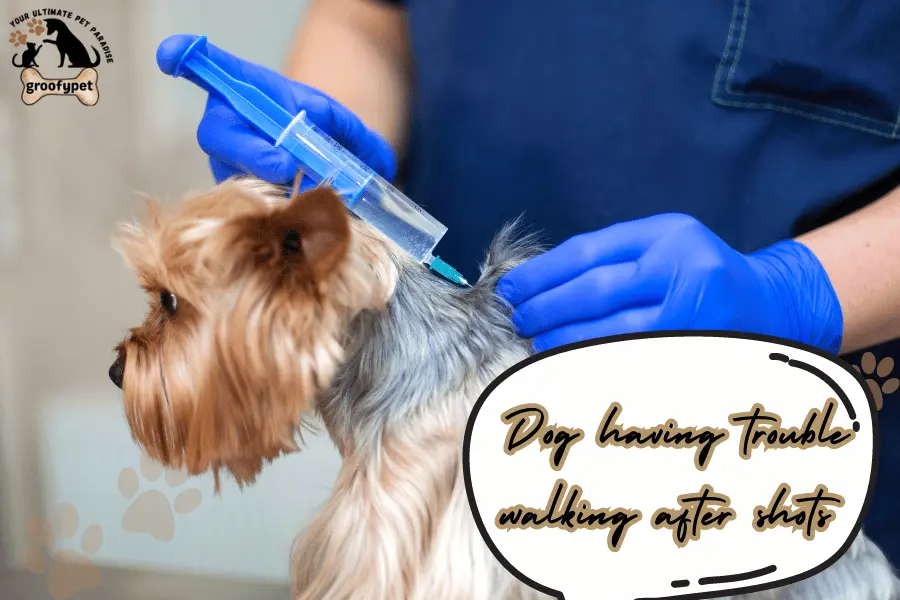
Dog having trouble walking after shots! It’s common for some dogs to experience reactions, especially around the injection site. This can make the area painful or swollen, leading to limping or even difficulty moving the hind or rear legs. One of the most concerning reactions is temporary paralysis in the posterior end.
While this condition can be quite unnerving, it’s important to know that it’s often temporary and usually improves by the tenth day. I once noticed my own dog showing trouble walking after getting a rabies vaccine, with his back legs seeming to almost cease functioning for a while. Monitoring these symptoms closely and seeking your vet’s advice is essential during this period.
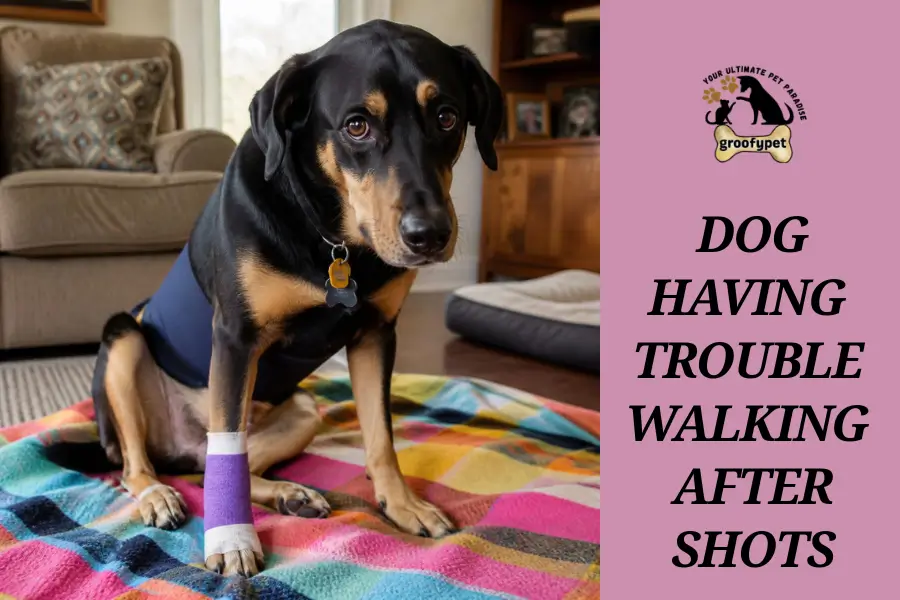
Though seeing your dog in such a condition can be worrying, reactions like limping or partial paralysis after shots aren’t usually permanent. In most cases, the symptoms gradually improve, but always make sure to get your vet’s advice if the condition doesn’t seem to get better.
Rabies vaccines, in particular, can cause stronger reactions in some dogs. Staying calm and ensuring you monitor for any prolonged effects helps, and if symptoms persist beyond the expected tenth day, it’s wise to visit the vet.How long do dogs feel bad after vaccines?
Many pet owners describe their dog feeling a bit off after vaccines. This reaction is a normal part of the immune system functioning well and appropriately responding to the vaccine. These minor symptoms only last a day or two. If your dog doesn’t start to feel better, it’s better to contact your veterinarian for further advice.
Why does my dog behave strangely after vaccinations?
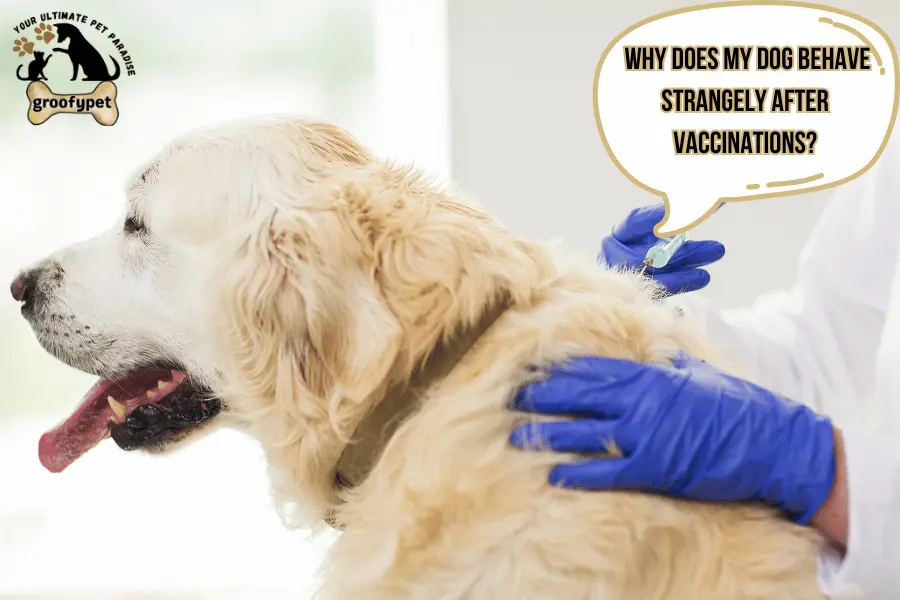
Lethargy is a common response after vaccinations, as some dogs may feel tired or fatigued. This is a natural reaction as the body diverts energy to build an immune response. It’s important to allow your dog time to rest and recover during this period. You may notice a decreased appetite after vaccinations, which can temporarily affect your dog’s eating habits.
Issues Related to Dogs Having Trouble Walking After Shots
Dogs may experience difficulty walking after receiving vaccinations for various reasons. Understanding these issues can help pet owners respond appropriately. After vaccinations, dogs with pre-existing conditions like arthritis or hip dysplasia may experience worsened pain and discomfort, affecting their walk.
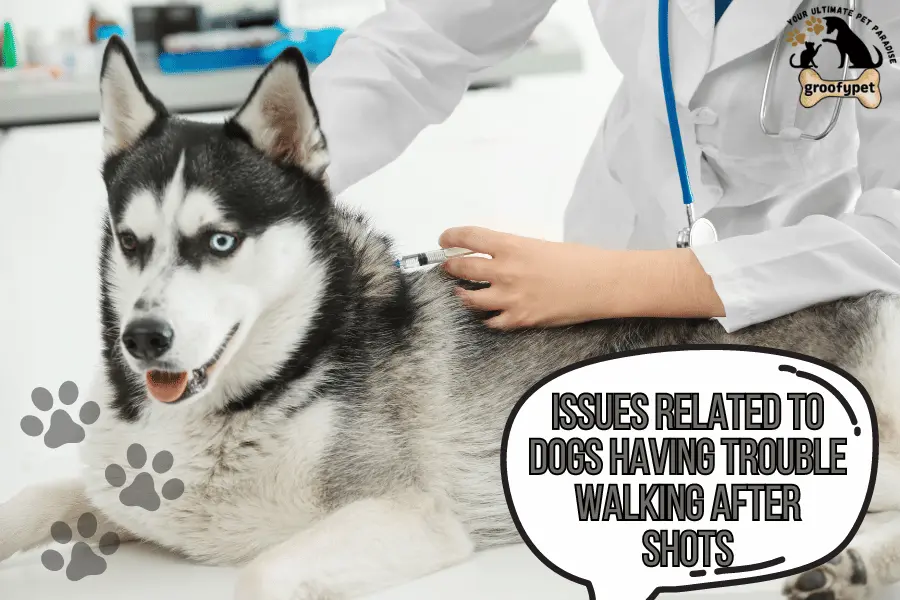
I noticed this with my dog, whose arthritis flared up after his shots, causing him to limp. It’s crucial to watch for any reactions or changes in movement, especially if they have joint conditions.
1) After-Shot Effects
After getting their shots, some dogs may experience lethargy or soreness around the injection site. I noticed this with my own dog; after his vaccination, he seemed tired and moved less than usual, especially around the area where the shot was given. While these mild symptoms are common, certain conditions could become more serious. In rare cases, dogs might face more severe reactions, including temporary paralysis, though this is less common.
If your dog has pre-existing conditions, the effects can be more pronounced. When my dog developed soreness, I kept a close eye on the injection site to ensure there were no unusual reactions. Monitoring these symptoms is crucial to making sure nothing more serious develops after their shots.
2) Soreness at the Shot Area
Sometimes, after a dog gets vaccinated, you might notice swelling or lumps at the injection site, which can cause discomfort and affect their mobility. I remember when my dog had this reaction after his shots. The area where he got the injection became a bit swollen, and he seemed uncomfortable while walking for a day or two.
Although it’s often temporary, keeping an eye on any unusual growths or sudden changes is important to ensure that there’s no lasting issue. In most cases, the swelling and discomfort go away on their own, but it’s helpful to monitor how your dog is moving.
My vet once suggested massaging the area gently to reduce any lumps or irritation, which seemed to ease my dog’s discomfort. Watching for these reactions helps catch any problems early, especially if their mobility seems affected.
3) Existing Health Problems
Dogs with pre-existing conditions like arthritis or hip dysplasia may face more issues after getting their shots. For example, after my dog received his vaccinations, I noticed he was limping more than usual.
His pain seemed to increase, which made it clear that the vaccination affected him more because of his arthritis. It’s important to watch for these signs, as they can signal that the vaccination has triggered discomfort related to their underlying health issues.
If your dog already struggles with conditions like hip dysplasia, the pain might become worse after the shots. I learned from my vet that monitoring these dogs closely after vaccinations is essential. They may need extra care or support during this time. Keeping track of how they walk and any changes in their behavior helps ensure their overall health and comfort.
Lethargy: Look out for a noticeable dip in your energy levels after their vaccination.
Limping or Favoring a Leg: If your furry friend is limping or seems to favor one leg it could signal pain or discomfort.
Swelling: Lookout for any unusual lumps or swelling at the injection site.
Behavioral Changes: Watch for signs of increased irritability or a reluctance to move; these can indicate that something is not quite right.
Recommended actions for a dog having trouble walking after shots
Monitor Your Dog
- After vaccinations dogs may have trouble walking.
- It’s important to monitor your dog’s behavior and mobility for 24-48 hours post-vaccination.
- Look for signs of reduced activity or favoring a leg.
- If symptoms persist beyond a few days, consult a veterinarian.
- A vet can offer professional advice and prescribe pain relief if necessary.
Seek Veterinary Care
- If your dog has trouble walking after vaccinations, pay attention to any symptoms.
- These symptoms can persist for a couple of days.
- If your dog isn’t improving or if their condition worsens, seeking help is very important.
- Consulting a veterinarian is crucial for your pet’s health.
- Vets provide professional advice and can check for any severe reactions to the vaccine.
- They can recommend treatments or medications to help your dog feel better immediately.
Address Pain and Discomfort
- When your dog has trouble walking after vaccinations, check for swollen areas.
- Use ice packs on these areas to help reduce inflammation and discomfort.
- Dogs may need pain relief medications if they experience significant pain.
- A vet can assess your dog’s condition and decide if medications are necessary.
- If your dog is in pain, contact your vet for prescribed treatments to aid recovery.
- Paying close attention to your dog’s needs will help ensure a smooth recovery.
Preventive measures when your dog is having trouble
- To help your dog after shots, take some preventive measures.
- Regular vet check-ups can help ensure your dog stays healthy.
- Before vaccinations, discuss different vaccine options with your vet.
- Understanding which vaccines are necessary and their potential side effects is important.
- Keeping your dog healthy before vaccinations is key.
- Talk to your vet about issues regarding your dog’s health or behavior.
- Being well informed helps you make the best choices for your dog.
What to Feed a Dog After Vaccination?
After vaccination, you can offer your dog a variety of foods based on their preferences. However, avoid giving too much at once, as this could lead to an upset stomach and potential vomiting.
Dogs often eat quickly, so it’s best to provide smaller portions to ensure they digest their food comfortably. Keeping meals light and manageable can help your pet feel better as they recover.
Steps to alleviate your dog’s post-vaccine soreness
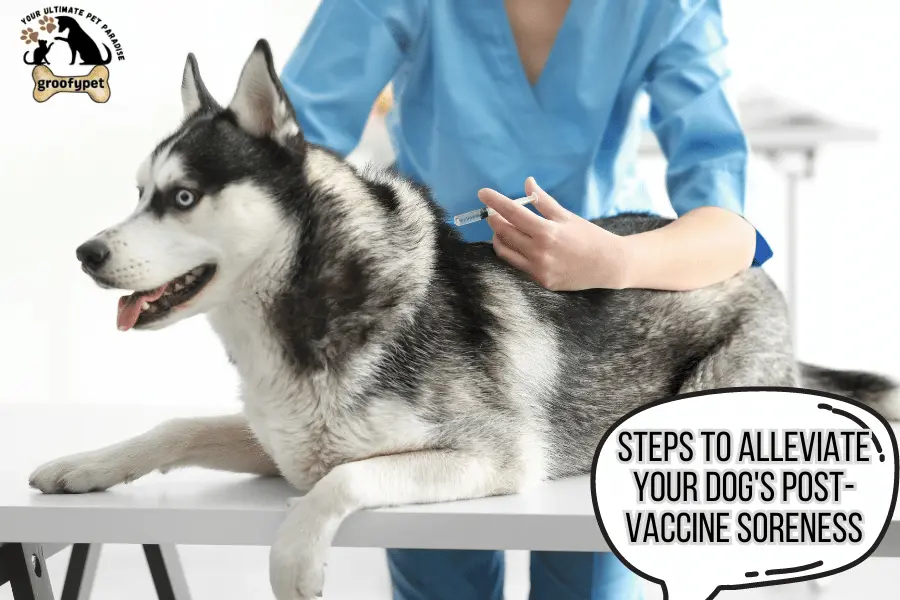
1- Monitor Your Dog
Keep an eye on your dog’s behavior after the vaccination. Signs of soreness, swelling, or lethargy, which can indicate discomfort.
2- Provide a Comfortable Area
Make sure your dog has a quiet and comfortable place to rest. A soft bed or blanket can help them during recovery.
3- Use a cold compress.
Apply a cold thing to the injected site to reduce swelling and provide relief. Make sure it is wrapped in a cloth to avoid direct contact with the skin.
4- Limit Physical Activity
After vaccination it’s crucial to limit your dog’s exercise. Short walks are ok, but avoid extra activities that may increase soreness.
5- Encourage Hydration
Ensure your dog stays hydrated by providing fresh water. Proper hydration supports the recovery process and can help to decrease discomfort.
6- Use Pain Relief Medication
Consult your veterinarian about appropriate pain relief medications if your dog feels discomfort. Never give human medications without veterinary advice.
7- Offer Soft Foods
Providing soft foods may encourage your dog to eat, especially if they seem less interested in their regular diet. This can help maintain their energy levels during recovery.
8- Schedule a Follow-Up
If your dog’s soreness increases, schedule an appointment with your vet.
9- Maintain Regular Vaccination Schedule
Keeping up with your dog’s vaccination schedule ensures their overall health. Discuss any concerns with your vet during these visits.
By following these steps you can help alleviate your dog’s post-vaccine soreness and ensure they recover quickly and comfortably. Remember, monitoring their progress and consulting with your veterinarian is essential for their well-being.
What can I give my dog after vaccination at home?
You do not need to give medicine in most cases. Just give your dog:
- Fresh, clean water
- A quiet place to rest
- Normal food in small amounts
- Extra love and gentle care
Do not give human medicine like paracetamol or ibuprofen. These can harm dogs. Always ask your vet before giving any medicine. If your dog looks very tired, that is normal. Let your dog sleep. Rest helps the body build strong immunity.
What can I give my dog for pain after vaccination?
Mild pain at the injection spot is common. You may notice:
- Small swelling
- Tender area
- Slight limp
- Low energy
You should not give over-the-counter pain medicine. Human pain pills are dangerous for dogs. If your dog shows strong pain, like crying a lot or not moving, then call your vet. The vet may give safe dog pain medicine if needed.
At home you can:
- Keep your dog calm
- Avoid rough play
- Gently pet but do not press the injection area
Most soreness goes away in 24 to 48 hours.
What to feed a dog after vaccination?
You can feed normal dog food after vaccination. There is no special diet needed.
Give:
- Regular dry kibble
- Wet dog food
- Boiled chicken and rice if your dog feels low
- Small light meals
If your dog feels a little sick, you can give soft food. Soft food is easy on the stomach. Do not change food suddenly. Sudden changes can upset the stomach.
What to give dogs after vaccinations?
After vaccinations, focus on comfort and hydration.
Give:
- Plenty of water
- Normal balanced food
- Quiet space
- Limited activity
Avoid long walks or heavy exercise on the same day. The immune system works hard after vaccines. Rest helps the body respond well.
You can also check the injection site once or twice. Mild swelling is normal. Big swelling needs vet advice.
What to give my dog after shots?
After shots your dog mainly needs the following:
- Rest
- Water
- Light food
- Monitoring
You can offer small treats if your dog wants them. Do not force food. Some dogs eat less for one day. That is normal.
Watch for signs like:
- Vomiting
- Severe swelling
- Trouble breathing
- High fever
- Face swelling
These signs are rare but serious. Call your vet if you see them.
What can I give my dog for pain after vaccinations?
You should not give any medicine unless your vet tells you to. Many owners think they can give baby aspirin. That can be risky. Safe pain relief must come from a vet. Your vet may prescribe dog safe anti-inflammatory medicine.
For mild discomfort, you can:
- Let your dog rest
- Avoid touching sore area
- Keep stress low
Most dogs recover quickly.
Can dogs eat after vaccination?
Yes, dogs can eat after vaccination. It is safe.
Some dogs feel tired and eat less. That is normal for 24 hours.
If your dog does not eat for more than one day, call your vet.
Offer:
- Small portion first
- Fresh water
- Soft food if needed
Never force feed your dog.
What to give a dog after vaccination, explained simply?
After vaccination your dog needs simple care, not medicine.
✔ Give water
✔ Give normal food
✔ Give rest
✔ Watch for reactions
✔ Avoid heavy activity
Call your vet if you see serious symptoms like swelling of face or trouble breathing. Vaccines protect your dog from serious diseases. Mild soreness is much better than dangerous illness.
Dog behavior change after vaccination
Some dogs act different after vaccination. This is normal.
You may see:
- Sleep more than usual
- Less playful
- Mild fever
- Slight swelling at injection spot
- Less appetite
Your dog’s body is building protection. That makes them feel tired. These changes usually last 24 to 48 hours.
Call your vet if you see:
- Trouble breathing
- Severe swelling on face
- Continuous vomiting
- Extreme weakness
Serious reactions are rare but need fast care.
Puppy after vaccination side effects
Puppies can show mild side effects because their immune system is still growing.
Common side effects:
- Sleepiness
- Small lump at injection site
- Mild fever
- Soft stool
- Low appetite
These signs are usually mild and short. Rare but serious signs:
- Swollen face
- Itching badly
- Vomiting many times
- Collapse
If you see serious signs, go to the vet right away. Most puppies feel normal again within 1 to 2 days.
Dog sick 4 days after vaccination
If your dog is sick 4 days after vaccination, it may or may not be from the vaccine. Mild vaccine reactions usually happen within 24 to 48 hours. If sickness starts after 4 days, it could be the following:
- Stomach upset
- Infection
- Stress
- Something your dog ate
If your dog is still sick after 4 days, contact your vet.
Watch for:
- Fever
- Diarrhea
- Vomiting
- Not eating
- Weakness
Do not wait too long if symptoms are strong.
Dog sick 4 days after vaccination – how long
If sickness is mild, it may last 1 to 2 days.
If your dog:
- Stops eating
- Has repeated vomiting
- Has diarrhea for more than 2 days
- Seems very weak
Then visit your vet.
A vaccine reaction should not last many days. If signs last longer than 3 days get medical advice.Early care prevents bigger problems.
How many days can I bathe my dog after vaccination?
It is best to wait 3 to 5 days before bathing your dog.
Why?
- Your dog needs rest
- Bathing can cause stress
- The immune system is working hard
- Cold water can lower body comfort
- If your dog feels fully normal after 3 days, you can bathe gently.
For puppies, wait at least 5 to 7 days if possible. Always make sure your dog is healthy before bathing.
Dos and Don’ts after dog vaccination
✔ DO
- Give fresh water
- Feed normal light meals
- Allow rest
- Keep activity low for 1 to 2 days
- Check injection site
- Monitor for unusual symptoms
✘ DON’T
- Do not give human medicine
- Do not force exercise
- Do not stress your dog
- Do not change food suddenly
- Do not ignore severe symptoms
- Do not bathe immediately
Frequently Asked Questions
Is it normal for my dog to limp after vaccines?
Yes, it can be fairly normal for your dog to limp after receiving vaccines. You might notice that your dog has trouble. This is often accompanied by a mild fever, which is a sign that your dog’s immune system needs vaccination. These mild symptoms are typically nothing to worry about and it should only last a day or two.
How to treat dog leg pain after vaccination with home remedies?
A cold compress is an effective home remedy for treating dog leg pain after vaccination. It reduces swelling and provides a numbing effect to ease soreness. Wrap a cold pack in a soft cloth and gently hold it against the affected area for 10 to 15 minutes, allowing your dog to relax. This simple treatment can help your pet feel more comfortable during recovery.
Why Is My Dog in Pain and Shaking After the Vaccine?
If your dog is shaking after receiving a vaccine, it indicates discomfort or a mild reaction. However, if the shaking persists for more than a few hours, it may signal a serious reaction. In such cases it’s essential to contact your vet for advice and further evaluation.
Final Thoughts
After receiving vaccinations some dogs may show trouble walking. It is common for pets to exhibit mild stiffness afterward. However, if your dog is limping or showing increased pain, it’s important to pay attention to these symptoms.
I once noticed my dog was reluctant to engage in play after his shots, which raised my concern. Early intervention and proper monitoring can help mitigate the risks of more serious medical conditions like arthritis or an infection.
If your dog continues to have difficulty walking or shows persistent pain, seeking medical attention is essential. A vet can evaluate potential causes, such as muscle weakness or neurological issues, ensuring your pet’s well-being. By being observant after shots, you can address any worsening mobility issues and help your dog return to normal activity.
How Long Can A Dog Wear A Diaper In Heat? With Proven Comfort!