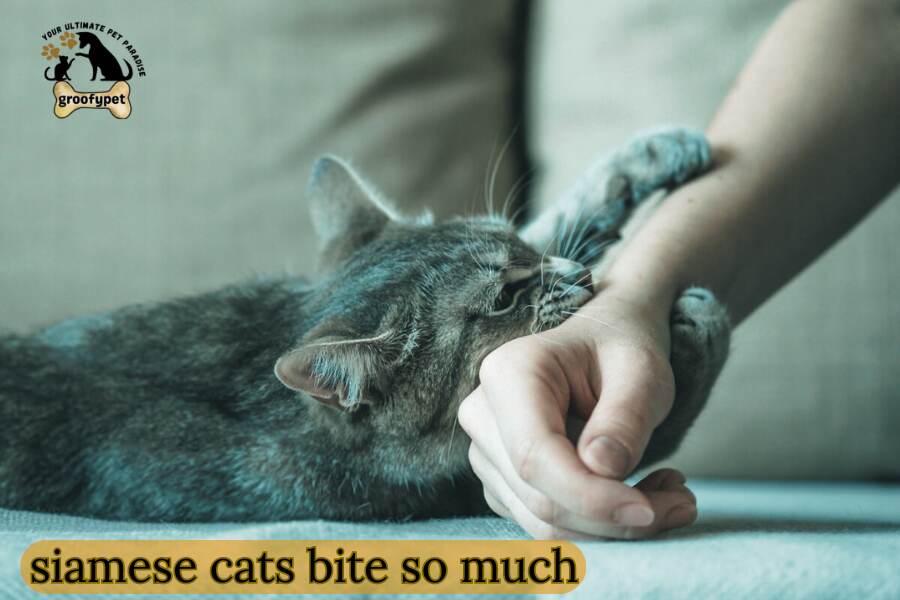
Why do Siamese Cats Bite So Much? Siamese cats are known for their striking beauty, intelligence, and sociability. They stand out with their unique personalities. However, many owners find their biting behavior a cause for concern. Siamese cats tend to bite more than other breeds. This behavior can be better understood by recognizing their natural instincts and strong play tendencies.
Does your Siamese cat bite often? This can be frustrating and sometimes painful. Biting is often a way for them to express their hunting instincts or active nature. They are very talkative and active cats. Providing appropriate toys and interactive play can help manage this behavior. Understanding their needs and personality is key to reducing biting incidents.
Why Do Siamese Cats Bite So Much?Understanding Siamese Cats’ Biting Behavior
Siamese cats can suddenly bite due to changes in their environment, lack of stimulation, or underlying medical issues. To manage this, ensure their diet is balanced, and their routine remains consistent, while addressing the root cause of their biting behavior.
Providing the right care ensures these beautiful cats live happy and healthy lives. Give them playtime and scratching posts to channel their energy. Spend quality time to strengthen your bond. By meeting their natural needs, you can have a happier cat. If you have concerns about your Siamese cat’s biting, consider these tips for preventing and managing the behavior.

Why Do Siamese Cats Bite so much ? Tips to Stop Siamese Cats from Biting
Siamese cats are known for their elegant appearance and playful nature, but their biting behavior can be quite challenging. From my personal experience with Siamese cats, I’ve noticed that an abrupt change in their environment or routine can trigger such behavior. They might be happily cuddling and purring one moment, but then suddenly, they bite.
This often happens when they are not ideally stimulated or if there is an underlying medical issue. It’s essential to decipher the reason behind a Siamese cat’s biting behavior to effectively stop it. Playful aggression can be managed by ensuring their diet is balanced and their routine remains consistent. In any case, understanding and addressing the underlying cause of their biting is key to reducing this behavior.
Understanding Siamese Cats’ Biting Behavior! Playful or Aggressive?
Siamese cats are known for their intelligent and social nature, but sometimes their behavior can be misunderstood. Unlike other breeds, Siamese cats might bite more often due to their sensitive nature and territorial instincts. These cats are hardwired as predators and might resort to biting when they feel threatened or irritated. Their aggression can be a sign of stress or an indication that their environment is not meeting their needs.

Managing a Siamese cat’s biting involves understanding what triggers their aggressive conduct. They can become easily stressed or irritated if their territory feels threatened by other pets or dogs in the household.
Proper managing techniques, like providing them with safe spaces for lounging and play, can help reduce their biting behavior. Recognizing that Siamese cats are inherently more sensitive and territorial than other breeds can help in creating a better environment for them, minimizing the triggers that contribute to their aggression.
Common reasons for aggression in Siamese cats include stress and annoyance due to a disruption in their environment or routine, or physical discomfort and health issues. Observing behavioral changes in your cat is critical; signs like growling, hissing, puffing fur, tail flicking, and avoiding other pets or house members can indicate imminent aggression.
When spotting aggression in your Siamese, look out for these signs:
- Growling
- Hissing
- Puffing up their fur
- Flicking their tail
- Avoiding you or other pets in the house
Reducing Siamese Cat Biting with Play and Training
Siamese cats are known for their playful and energetic nature of cat breeds sometimes this can lead to excessive biting and scratching. Playtime is crucial for these cats, and they often resort to using their fingers or hand as a toy if they don’t have enough toys to keep them occupied. Their active minds need constant stimulation, and without it, they might bite out of boredom or frustration.
Proper training is essential to curb this behavior. By providing consistent and structured activities, you can help your Siamese cat channel its energy appropriately. For instance, regular play sessions with engaging toys can reduce the tendency to use your fingers or hand as a target. Over time, with structured and consistent training, your Siamese cat will learn to engage in play without resorting to biting or scratching.
From personal experience, I found that incorporating various toys and maintaining a regular playtime schedule significantly reduced my Siamese cat’s biting habits. It’s all about understanding their needs and providing the right outlets for their energy.
Strategy for Managing Siamese Cat Behavior
| Strategy | Description |
| Training | Regular playtime is crucial for Siamese cats. Ensure not to encourage biting or scratching. Use toys instead of fingers to prevent your cat from associating your hand with a toy. Make sure the training is consistent and structured. |
| Socializing | Expose your Siamese cat to various people, places, and other animals in a relaxed, positive manner. This will help them become more adaptable and less likely to resort to aggression. |
| Positive reinforcement | Instead of punishing your Siamese cat for aggressive behavior, reward them for their good behavior. This will help them understand what actions are desired. |
| Gentle Handling | Siamese cats respond well to gentle, consistent handling. It can encourage appropriate behavior and reduce aggression. |
| Address underlying issues | If your Siamese cat shows aggression, it might be necessary to pause the training and address any underlying issues that might be causing the aggression. This might require consultation with a veterinary behaviorist. |
Various Reasons Why Siamese Cats Exhibit Biting Behavior
Siamese cats exhibit biting behavior for various reasons. To curb this behavior, it’s essential to use the right approach to management. If the biting is severe or continues despite your efforts, it’s crucial to talk to a veterinarian or a professional animal behaviorist for additional guidance.
Let’s explore the various reasons why Siamese cats exhibit biting behavior.
1-Stress
Siamese cats may bite when they feel scared or threatened. This can happen if there are changes in their environment, like new people, pets, or loud noises. They might also bite because they haven’t been socialized well and are afraid of unfamiliar things.
Signs that a Siamese cat hasn’t been socialized well can include
- Siamese cats may bite because they meow more to get attention or out of frustration.
- Changes in their environment, like new people or loud noises, can make them scared and defensive, leading to biting.
- If a Siamese cat hides or avoids contact, it might feel threatened.
- Poor socialization can cause a fear of unfamiliar things, making them more likely to bite.
- Excessive grooming, loss of appetite, or urinating and defecating outside the litter box are stress signs linked to biting.
- Knowing these triggers and keeping a stable environment can help reduce biting in Siamese cats.
2-Deficient Social Training
Siamese cats might bite a lot due to poor socialization. When kittens aren’t properly socialized as they grow, they can become fearful of unfamiliar people, animals, and situations. This lack of understanding of appropriate social behavior leads to biting. Helping your cats interact with others early on can prevent these issues.
Signs of inadequate socialization in Siamese cats include:
- Fear or avoidance of people and other animals
- Hiding or retreating from interaction
- Aggressive behavior or biting when approached
3-Territorial Actions
Siamese cats often bite due to their unique behavior and need for dominance in their territory. These cats are highly sensitive to their environment and can react strongly to changes in their surroundings. When a new pet or person enters their space, or there is a rearrangement of furniture, they may feel the need to assert their dominance.
My Siamese cat, for instance, started biting more frequently after I moved to a new house and changed the layout. This breed’s heightened sensitivity means any changes in their environment can lead to biting as a way to reclaim their sense of control.
Signs of territorial behavior in Siamese cats may include:
- Marking their territory with urine or scent.
- Growling or hissing when someone approaches.
- Displaying aggression or biting when they feel their space is invaded by a person or another animal.
4-Overstimulation
When it comes to Siamese cats, their tendency to bite often stems from overstimulation. Playtime can sometimes be intense, and when they are being petted for too long, they might start signaling that they’ve had enough. This behavior is a way for the cat to communicate their boundaries and preferences.
I once had a Siamese cat named Luna who would gently nip at my hand when she was overstimulated. Understanding these signs and respecting their limits can help in effectively managing this behavior.
Signs of overexcitation in Siamese cats may include:
- Twitching of the tail
- Ears flattened against the head
- Hissing or growling
- Swishing of the tail
- Biting or scratching
- Chewing or teething
5-Attention-seeking behavior
Siamese cats often resort to biting as an attention-seeking behavior, especially if they feel neglected. These intelligent felines may also show signs of wanting their owner’s attention through:
- Scratching
- Loud meowing
- Bringing objects and inviting play
They need to be stimulated with regular play and interaction to avoid such behaviors.Paying more attention to them can prevent them from feeling bored or lonely.
How to Reduce Biting in Siamese Cats
Siamese cats often display biting behavior due to their active and social nature. Understanding the reasons behind this tendency is crucial for maintaining a positive relationship with your furry companion. Providing appropriate care can significantly help your cat live a happy and healthy life. Ensuring ample playtime, regular exercise, socialization, and mental stimulation is key. It’s important to teach your Siamese cat to communicate their preferences and respect their boundaries. By following these steps and delving into each aspect of their needs, you can effectively prevent biting and foster a harmonious environment for both you and your cat.
Ensuring Proper Playtime and Exercise
As a Siamese cat parent, I’ve learned that these feline companions are naturally playful and have a strong hunting drive. This innate behavior makes playtime and exercise crucial for them. Providing plenty of opportunities for playtime helps keep their minds and bodies satisfied, reducing the risk of biting behavior.
When Siamese cats have regular exercise, it helps prevent boredom and minimizes stress and anxiety, which are common causes of biting. Keeping your cat active is not only good for their physical health but also their mental well-being. A fun playtime routine is a terrific way to build a stronger bond with your feline companion. Spending great time together through playtime ensures they are happy and healthy.
Developing Social Confidence in Your Siamese Cat
Socialization is crucial in preventing biting in Siamese cats. This involves exposing your cat to various people, animals, and environments in a positive and controlled manner, helping them develop the skills to interact with their surroundings healthily and well-adjusted.

Tips for Socializing Your Siamese Cat
1) Start Early
Begin socializing your Siamese cat as soon as possible. Younger cats are more receptive to new experiences and less entrenched in their habits.
2) Introduce New People
Allow your Siamese cat to meet people of different ages, sizes, and ethnicities. This exposure helps them become more comfortable around diverse individuals, reducing their fear of strangers.
3) Introduce New Animals
If feasible, let your Siamese cat interact with other cats and dogs in a safe and controlled environment. This can help them feel more at ease around other animals and reduce potential aggressive behavior.
4) Familiarize with Different Environments
Take your Siamese cat to various places, such as parks and pet stores. This exposure helps them get accustomed to different sights, sounds, and smells, easing their fear of unfamiliar settings.
5) Use Positive Reinforcement
Reward your Siamese cat with treats, praise, and affection for good behavior during socialization. This positive association helps them view new experiences favorably.
6) Be Patient
Socialization requires time and patience, but it is worthwhile. A well-socialized Siamese cat will be happier, healthier, and better adapted to their surroundings.
Why my cat bite me so hard?
Cats may bite hard for several reasons, and it usually depends on their mood, health, or environment. Some cats bite when they feel overstimulated during petting, which is called “petting aggression.” Others may bite to set boundaries if they feel annoyed or scared.
Playful cats sometimes bite hard because they are practicing hunting skills and do not realize their own strength. Health problems like dental pain or illness can also make a normally gentle cat bite suddenly.
Observing your cat’s body language helps prevent bites, such as ears back, tail twitching, or skin rippling. Training with gentle redirection and avoiding rough play can reduce hard bites. Never hit your cat as it worsens fear and aggressive behavior.
Why do siamese cats bite you?
Siamese cats are known for being talkative, energetic, and highly social. They often use their mouth to communicate when they feel excited, frustrated, or playful. Biting in Siamese cats may happen if they want attention or feel ignored. Some may also bite lightly as part of interactive play, but it can become harder if they are over-stimulated.
Their strong personalities make them more likely to show assertive behavior compared to other breeds. Early socialization and clear boundaries help reduce unwanted bites. Providing toys, scratching posts, and playtime channels their energy safely.
Do siamese cats bite more?
Siamese cats may bite more often than calmer breeds because of their high intelligence and active nature. They are sensitive and sometimes react quickly if they feel overstimulated or bored. Biting is usually a form of communication rather than aggression.
Cats that are well-exercised, mentally stimulated, and properly socialized tend to bite less. Training them with consistent positive reinforcement helps manage this behavior. Knowing your cat’s body cues and energy levels prevents most bites before they happen.
Siamese cat behavior problems
Siamese cats are smart, social, and active, but sometimes these traits lead to behavior problems if their needs are not met. Common issues include excessive meowing, biting, scratching furniture, and attention-seeking behaviors.
They may act destructive if bored because they need mental stimulation and physical activity. Separation anxiety is common because Siamese cats form strong bonds with their owners and dislike being left alone. Poor socialization in kittenhood can also cause fear or aggression
. Understanding their personality and providing consistent routines, toys, and interaction reduces many behavior problems. Early training and patience make them calmer and happier.
How to keep a siamese cat happy?
Keeping a Siamese cat happy requires meeting their physical and mental needs every day. These cats need interactive play sessions with toys, climbing trees, and puzzle feeders. They enjoy social interaction, so spending quality time talking and petting helps reduce anxiety. Providing safe scratching posts, cozy resting spots, and vertical space keeps them entertained and comfortable. Rotating toys and introducing new play activities prevents boredom
. Mental challenges like hiding treats or training sessions stimulate their intelligence. Positive reinforcement for good behavior strengthens your bond and reduces negative habits. Meeting these needs helps a Siamese cat stay content, active, and stress-free.
Why do siamese cats meow so much?
Siamese cats are naturally talkative and use meowing as a primary way to communicate. They may meow to seek attention, express hunger, request play, or signal discomfort. Their loud and frequent meows reflect their social personality and desire for interaction. Some cats meow more when they are bored or lonely, while others may vocalize to show excitement or frustration.
Training and routine can help manage excessive meowing by rewarding quiet behavior and providing ample stimulation. Understanding what your Siamese cat wants when it meows reduces stress for both the cat and owner.
Frequently Asked Questions
How to get stop your Siamese cat from biting?
Siamese cats might bite if they don’t feel comfortable or safe. Ensure their meals contain appropriate protein like meat and fish and feed them at pre-set times to reduce stress. A balanced diet helps them feel secure, making them less likely to bite. Keeping your cat in a stress-free environment with the right cat’s food can make a significant difference in their behavior.
Why Siamese Cats May Bite Often?
Siamese cats, known for their unique looks and vocal personalities, can sometimes seem overly aggressive. One reason for this is their needy nature—they demand almost constant attention. If they can’t get what they want, they may become frustrated and resort to hostile behavior.
This behavior is often a form of redirected aggression where they take out their frustration by biting. As a cat owner, I’ve observed that these beautiful felines need interactive play and affection to feel satisfied.
Do Siamese Cats Exhibit Behavior Issues?
These cats are highly intelligent and social, which means they can become anxious or bored easily. If not properly stimulated, they may develop destructive behaviors such as paper shredding and excessive vocalization. Another common issue is their sensitivity to changes in their environment; for example, if their litter box isn’t clean or if their owners leave them alone for too long, they might act out.
Final Thoughts
Siamese cats are energetic and playful, which can lead to frequent biting as a form of interaction. This behavior often stems from their need for stimulation and social engagement. Providing ample playtime and mental challenges can help manage this tendency. Understanding and addressing their needs can foster a happier, more harmonious relationship with your Siamese cat.