
However, many dog owners tend to pose this question Why do dogs pull back their ears when they are interacting with humans or other dogs daily? The dogs can sense their emotions, such as fear, comfort, stress, happiness, or submission, by the use of their ears in order to make people understand their behavior.
Knowledge of why dogs pull their ears back will assist the owners to react rationally and build a stronger bond with their dog as time goes by. Body posture, tail position, and facial expressions, in conjunction with ear movement, may provide the whole message.
Dogs are not able to talk, hence the use of body language to communicate how they feel to humans and other animals. It is important to monitor ear position to ensure that the owners observe various sensations in their dog and accommodate them accordingly.
Training to read ear signals develops a feeling of trust and makes the house safer for the dogs. Ears back may not necessarily mean that they are afraid, since when they are at ease, dogs can express happiness, relaxation, or love.
Understanding dog ear body language
One of the most unmistakable methods of expression used by dogs to show their feelings to human beings and other dogs surrounding them is the dog ear body language. The motion of the ears, whether forward, back, or sideways, is determined by how the dog feels alert, relaxed, worried, or scared in various circumstances.
The ears that are relaxed generally depict a calm dog, whereas pinned-back ears fail to reflect any other meaning but discomfort with stress or anxiety. The signs of dog body language can help the owner know more about the dog and avoid misunderstanding of emotional and behavioral signs.
The movement of the ear should always be accompanied by the tail postures and head expression of the eyes to get the complete meaning.Through the evolution of the ears, dogs have learnt to use them to communicate effectively with their pack, as well as with humans, without the use of sound.
Owners who are sensitive to ear cues exclude the possibility of fear or the development of aggressive behavior without being aware in advance. Dog ear body language helps in better communication and makes the home a more peaceful place.
1. Happiness and comfort
Dogs often put their ears back when they feel happy relaxed and emotionally comfortable around people they trust. This usually happens during gentle petting calm greetings or quiet bonding moments with owners. Soft ears back with relaxed eyes show contentment and affection clearly.
2. Fear or sudden stress
Dogs pull their ears back when they feel scared by loud noises sudden movements or unfamiliar situations. This reaction helps dogs protect themselves and avoid danger in stressful moments. Fearful ear movement often appears with freezing shaking or hiding behavior.
3. Anxiety and nervousness
Dogs with anxiety may keep their ears back for longer periods especially during separation or environmental changes. This behavior shows emotional tension and discomfort rather than brief fear. Anxious dogs may also pace pant or lick their lips frequently.
4. Submission to humans
Dogs put their ears back to show submission when responding to human tone posture or authority. This is common when dogs sense disapproval or strong emotions from their owners. Ears back help dogs avoid conflict and show respect naturally.
5. Social interaction with other dogs
Dogs use ears back to communicate submission or calm intentions during interactions with other dogs. This behavior helps prevent fights and keeps social encounters peaceful. Dogs may briefly pull ears back during play or cautious greetings.
6. Focus and attention
Dogs often pull their ears back while focusing closely during training or listening to commands. This shows attention respect and willingness to learn from their owner. Focused ears back usually appear with steady eye contact and still posture.
7. Enjoying affection
Many dogs pull their ears back while enjoying gentle affection and close physical contact. This posture shows trust safety and emotional connection with their owner. Relaxed ears back during petting usually indicate pleasure not discomfort.
8. Loud noises and sound sensitivity
Dogs have sensitive hearing so loud sounds often cause ears to pull back instinctively. Thunder fireworks or alarms can overwhelm dogs and trigger protective responses. Ears back help reduce exposure and signal emotional discomfort.
9. Pain or ear discomfort
Dogs may keep their ears back because of pain caused by ear infections injuries or irritation. This behavior often appears with head shaking scratching or avoidance of touch. Medical attention is important when ear posture changes suddenly or persists.
10. Confusion or uncertainty
Dogs sometimes pull their ears back when they feel unsure about a situation or expectation. New environments mixed signals or unfamiliar people can cause this reaction. Ears back help dogs pause and assess what to do next safely.
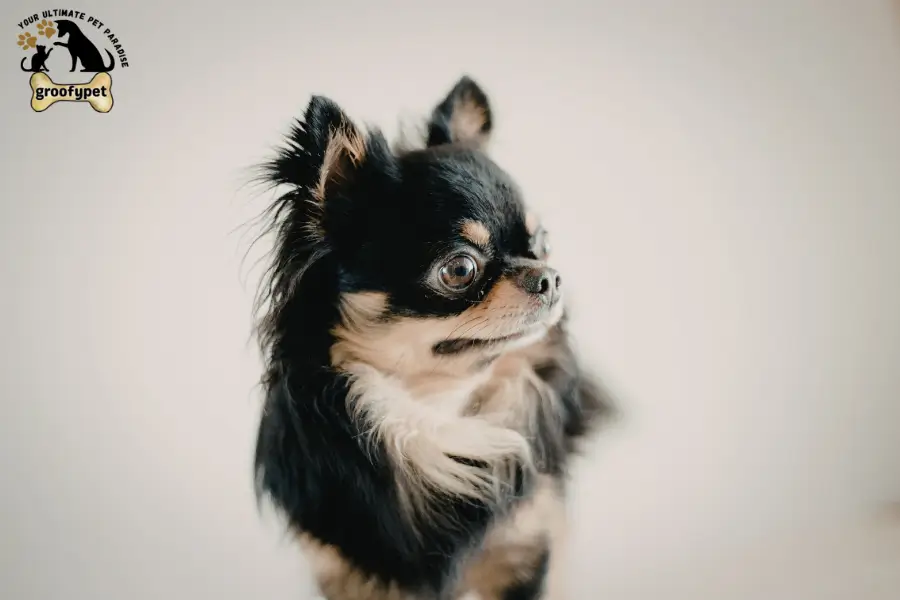
Why do dogs put their ears backwhen they are happy?
When dogs are in a relaxed mood and feel safe around people or other animals, they tend to draw in their ears. Why do dogs put their ears back?The tendency normally occurs when the dogs meet their masters to have their pets stroked or when they feel safe in the familiar surroundings. Contented dogs have ears folded and a relaxed body position, and a soft tail waving as an indication of happiness.
These joyful signs in dogs make the owners aware that the dog is at ease and in no danger of being emotionally threatened. Back ears that are in happiness are soft and loose rather than stiff and tense, which illustrates positive emotion.
The owners can react by talking softly and petting the pets so as to enhance the emotional connection. Identification of happy ear movement will enable owners to reward good behavior and promote more happy interactions. Dogs communicate using these signals in expressing pleasure and trust, and are also enjoying the attention of their human family members.
Why do dogs put their ears back when afraid?
It is the instinct of dogs to draw their ears in close against their head when they are scared. The posture is an act of being submissive or alerting humans or other animals surrounding them, and keeps them from a conflict. Sharp sounds or sudden movements, or strangers make the dogs instinctively pull their ears back.
The behavior is closely related to fearful dog behavior and demonstrates that dogs are on guard and attempt to remain safe. Frightened dogs will briefly freeze their heads down or not look at all, but maintain their ears flattened. Prompt identification of fear signs will enable the owners to eliminate stressors and avoid defensive and aggressive behaviours in the dogs.
Giving reassurance and giving them a safe environment is a way of ensuring that the dog gets back on track emotionally without the feeling that he or she is in danger. The knowledge of why dogs pull their ears behind when they are scared helps owners to trust their pets and keep them safe.
Why dogs pull back their ears when they are scared?
Dogs tend to be anxious with their ears raised over extended periods of time compared to brief instances of fear. The anxiety can be manifested during the change of routines during separation from owners or in new surroundings with new stimuli.
This habit usually accompanies other symptoms of anxiety in dogs, such as pacing, panting, restlessness, or lip licking as a sign of stress. The ear back during anxiety is normally tense, even in times when the environment is safe and calm for the dog.
Routine activities designed to occasion appealing support and secure areas should be offered by the owners to alleviate anxious behavior over time. Looking into the ears and tail eyes, and the position of the body, makes the owners know the emotional state of their dogs to the fullest extent.
Regular treatment and tolerance will restore confidence and emotional stability in the dogs in the long run. Knowing the reasons why dogs would draw their ears back when they are anxious assists the owners in providing their pets with a conducive environment.
Why do dogs shrink their ears when they are ashamed?
Dogs do not experience guilt as people do, but ears back indicate submission depending on the tone of the owner or body language. When dogs feel that their human family members disapprove of them or produce negative energy, they will pull their ears.
This belongs to a submissive dog posture and assists dogs in avoiding conflict or punishment naturally. The dogs can reduce their head and not look directly, and even flatten their bodies and pin back their ears. This is an emotional response, but not a perception of an error; scolding the dog might only bewilder the dog.
When there is submission in the form of ear back, positive reinforcement, and soft talks are effective compared to punishment. Body posture and ear movement will enable the owner to know the exact feelings of the dog. To gain more trust and less fear or stress, knowing why dogs fold their ears under such circumstances is better.
Why do other dogs turned their ears around their dogs?
Ears help dogs to express their intentions and feelings as they get interacting with other dogs in the environment. Pulled back ears are usually a sign of submission or warning, when a dog encounters a dominant or strange dog in the vicinity.
This is one of the normal behaviors of dogs in the society and serves to avoid disagreement or fighting in multi-dog households or parks. Playful dogs might momentarily draw their ears in as a sign of not being threatening but being attentive and keeping body position.
Owners ought to note the position of the ears and the movement of the tail and facial expressions so that they could know the level of comfort of their dogs. The ear channel can be misread resulting in stress or unintended aggression.
Knowing the reasons behind the movement of the ears of the dog when it is around other dogs assists the owners in steering the positive and secure interactions among the dogs. Close attention enables the dogs to be safe and have a good communication with other dogs.
Why do dogs put their ears back when they are being trained?
When training dogs tend to cuddle back their ears when they are concentrating on the command or responding to the hand signals by the owner. Such a posture reveals that the dog is a respectful and listens to the trainer and is making an attempt to get a clear picture of what he is asking.
Dogs understand the movement of ears in addition to eye contact and body position to digest what is anticipated in the session. This attentive behavior is encouraged by positive training environments with soft voice and encouragement which avoids fear or stress.
Ear back observation during training is an indication of emotional involvement and readiness to learn instead of fear and or discomfort. Still, a lot of practice and peaceful instructions also ensure that dogs react to instructions and are eager to learn new activities.

It is better to know why do dogs put their ears down during training because it helps to communicate better and also enhance the emotional bond. Listening ear cues also enable the owners to modify training techniques in a more fruitful way.
Why do dogs put their ears back when they are being petted?
Dogs tend to fold their ears whenever they are being petted and shown affection by their owners. This position typically demonstrates trust and comfort as well as relaxation since the dog is at ease with the human being.
A stern and rigid posture of the body together with tight ears can, however, signify uneasiness or a slight fear in petting. Other cues including tail movement body relaxation and eye expression should be taken note of by the owners in order to understand it fully. T
his is behavior that goes hand in hand with dog comfort cues and is an indication of emotional well-being. Feeling safe, the dogs lean forward to be touched and rest with their ears turned down and their backs up. Listening to indicators of distress will stop stress and develop trust between the dog and the owner.
The reason why do dogs move their ears backwards when they are being petted is an understanding which will help the owners to give them more care and bonding.
Why do dogs’ ears make back noises when they hear?
Dogs tend to flatten their ears when exposed to loud sounds as a natural form of fear. Dogs are extremely sensitive to hearing, and some sounds, such as the thunder of fireworks or the whistle of sirens, may seem devastating or even scary to them.
This is also linked to the sensitivity of sound in dogs and is an indication that the dog is attempting to defend itself. The dogs may also be accompanied by other signs such as panting, pacing, hiding/seeking shelter with their owner.
This is done by providing a secure environment and remaining composed to ensure that the dog feels safe when in a stressful environment, and it lowers anxiety. Dogs can be trained gradually to become less scared of sounds through being exposed to controlled sounds.
The reasons behind the dogs pulling their ears back upon hearing loud sounds will make the owners feel fear and ensure trust. Words of reassurance and mild attentiveness help maintain the emotional equilibrium and make dogs feel secure in their living place.
Differences in ear positions among the breeds
Different breeds of dogs vary in the movement of the ear depending on ear shape, size, and natural makeup. Floppy ears tend to move in a subtle way, whereas pointed or upright ears do it clearly to indicate emotional signs.
This influences the way owners perceive the behavior of breed-specific dogs and interpret emotional communication in the correct way. An appreciation of breed variations will avoid misunderstanding of stress, happiness, or submission among dogs with special ears.
The owners need to know how their breed of dog normally expresses itself through its ears and body language. Any confusion in the positioning of the ears may end up in futile concern for both the dog and the owner.
Seeing entire body cues and ears is a guarantee of proper decoding of feelings. Comprehension of the reason behind the ears of various breeds being pulled back enhances communication and builds stronger emotions toward pets.
How to know why do dogs put their ears back?
A loose body posture represents calm breathing, soft-eyed, and calm or neutral, which is a relaxed dog. Stiff muscles are typical of a dog that has pinned ears, an alert position, and rapid breathing behavior, among other stress indicators.
The combination of tail position, eye expression, and body movements alongside ear posture provides a comprehensive understanding of the state of emotion. This is related to dog stress behavior and enables the owner to react in the right way without frightening or unsettling the dog.
Early recognition of stress helps the owner to eliminate stressors and offer comfort to the dog so that he or she can be calm. It is important to know the reasons behind the dog’s ears in such a situation to differentiate comfort and anxiety.
Emotional signals awareness enhances safety and builds trust between owners and dogs. Those owners who observe such indicators can take action before stress turns out to be a larger issue.
How owners ought to act when dogs draw their ears?
Whenever dogs pull their ears back, the owners are supposed to wait and act in a manner that is set by the circumstances. It is not necessary to force the interaction in other cases where the dog is scared or uncomfortable, as it may cause stress and anxiety.
Giving them space, giving them a gentle reassurance, and a soft voice will make them feel safe and supported emotionally. The approach is based on positive dog handling practices, which enhance trust and emotional connection.
The regularity of treating the patient will make the dogs know that the surroundings are secure and foreseeable. Looking at ears together with other signals in the body position ensures that the owners react appropriately to each state of emotion.
The better one understands the reason why dogs put their ears back, the better it enhances communication, and unnecessary stress is avoided. When one shows respect to the feelings of a dog, a healthy, safe, and trusting relationship is created automatically.
When to be concerned that dogs take their ears back?
Owners ought to take note when ears are pinned back during lengthy periods of time, indicating a sign of pain, sickness, or extreme anxiety. Constant ears pulling or shaking, scratching, or head shaking might be an indication of medical issues that should be looked into by a veterinarian.
Like the aggression concealed or refusal to consume can also be a warning when it changes suddenly, such as aggression and ears being back. Early identification of signs of dog discomfort will help its owners eliminate the development of health problems and emotional discomfort.
Constant monitoring of ear movements and body language recognizes patterns that require prompt action. Knowing the reason behind the ears of dogs being withdrawn will guarantee the owners know the difference between average communication and warning signs.
Timely intervention ensures the safety of dogs and their well-being. Early intervention helps in the healthy emotional and physical well-being of every dog.
why do dogs put their ears back noises?
- Dogs tend to flatten their ears when exposed to loud sounds as a natural form of fear.
- Dogs are extremely sensitive to hearing, and some sounds, such as the thunder of fireworks or the whistle of sirens, may seem devastating or even scary to them.
- This is also linked to the sensitivity of sound in dogs and is an indication that the dog is attempting to defend itself.
- The dogs may also be accompanied by other signs such as panting, pacing, hiding/seeking shelter with their owner.
- This is done by providing a secure environment and remaining composed to ensure that the dog feels safe when in a stressful environment, and it lowers anxiety.
- Dogs can be trained gradually to become less scared of sounds through being exposed to controlled sounds.
- The reasons behind the dogs pulling their ears back upon hearing loud sounds will make the owners feel fear and ensure trust.
- Words of reassurance and mild attentiveness help maintain the emotional equilibrium and make dogs feel secure in their living place.
Differences in ear positions among the breeds
Different breeds of dogs vary in the movement of the ear, depending on ear shape, size, and natural makeup. Floppy ears tend to move in a subtle way, whereas pointed or upright ears do it clearly to indicate emotional signs.
This influences the way owners perceive the behavior of breed-specific dogs and interpret emotional communication in the correct way. An appreciation of breed variations will avoid misunderstanding of stress, happiness, or submission among dogs with special ears.
The owners need to know how their breed of dog normally expresses itself through its ears and body language. Any confusion in the positioning of the ears may end up in futile concern for both the dog and the owner.
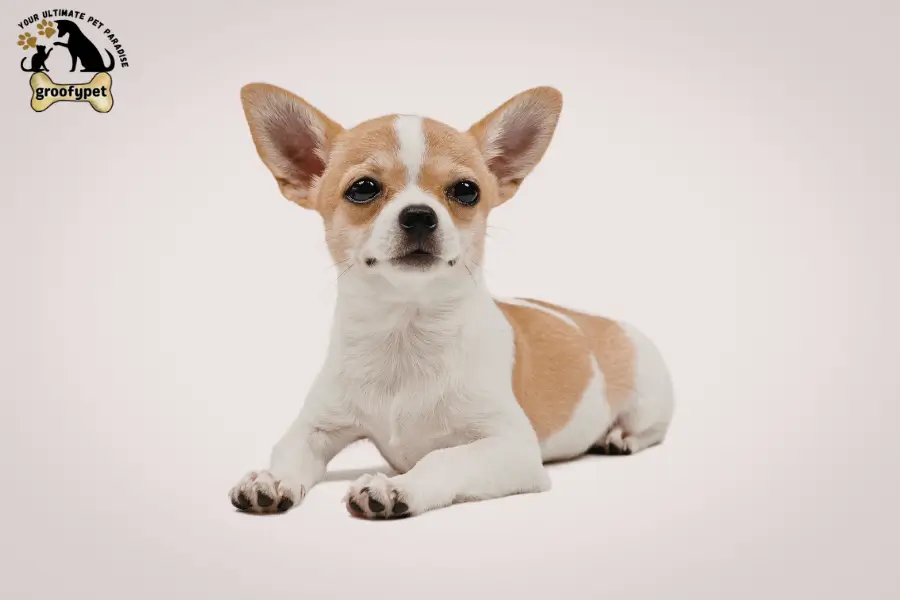
Seeing entire body cues and ears is a guarantee of proper decoding of feelings. Comprehension of the reason behind the ears of various breeds being pulled back enhances communication and builds stronger emotions toward pets.
Causes of why do dogs put their ears back
- In some cases, dogs fold their ears due to discomfort and pain caused by medical issues rather than feelings.
- Damages or irritation of the ear can cause dogs to hock their ears and avoid contact with the injured part.
- This is associated with ear problems in dogs and may contain redness, swelling, odor, or excessive scratching.
- Shaking of the head or paw at the ears may also be used by the dogs with ear pain in their attempt to alleviate discomfort.
- To treat and diagnose medical issues in the ears and avoid complications, the medical conditions require veterinary care.
- Early diagnosis and treatment ensure the general well-being and comfort of the dog.
- It is always easy to see why dogs cover their ears, and this is what helps the owners identify health problems at an early stage.
- Being aware of medical causes makes the dog remain healthy, happy, and emotionally stable.
How to know whether your dog is in a good mood or not?
A loose body posture represents calm breathing, soft eyes, and calm or neutral ears, which is a relaxed dog. Stiff muscles are typical of a dog that has pinned ears, an alert position, and rapid breathing behavior, among other stress indicators.
The combination of tail position, eye expression, and body movements alongside ear posture provides a comprehensive understanding of the state of emotion. This is related to dog stress behavior and enables the owner to react in the right way without frightening or making the dog frightened and uneasy.
Early recognition of stress helps the owner to eliminate stressors and offer comfort to the dog so that he or she can be calm. It is important to know the reasons behind the dog’s ears in such a situation to differentiate comfort and anxiety.
Emotional signals awareness enhances safety and builds trust between owners and dogs. Those owners who observe such indicators can take action before stress turns out to be a larger issue.
How owners ought to act when dogs draw their ears?
Whenever dogs pull their ears back, the owners are supposed to wait and act in a manner that is set by the circumstances. It is not necessary to force the interaction in other cases where the dog is scared or uncomfortable, as it may cause stress and anxiety.
Giving them space, giving them a gentle reassurance, and a soft voice will make them feel safe and supported emotionally. The approach is based on positive dog handling practices, which enhance the trust and emotional connection.
The regularity of treating the patient will make the dogs know that the surroundings are secure and foreseeable. Looking at ears together with other signals in the body position ensures that the owners react appropriately to each state of emotion.
The better one understands the reason why dogs put their ears back, the better it enhances communication, and unnecessary stress is avoided. When one shows respect to the feelings of a dog, a healthy, safe, and trusting relationship is created automatically.
What owners should do when dogs put their ears back?
Owners ought to take note when ears are pinned back during lengthy periods of time, indicating a sign of pain, sickness, or extreme anxiety. Constant ears pulling or shaking, scratching, or head shaking might be an indication of medical issues that should be looked into by a veterinarian.
Like the aggression concealed or refusal to consume can also be a warning when it changes suddenly, such as aggression and ears being back. Early identification of signs of dog discomfort will help its owners eliminate the development of health problems and emotional discomfort. Constant monitoring of ear movements and body language recognizes patterns that require prompt action.
Knowing the reason behind the ears of dogs being withdrawn will guarantee the owners know the difference between average communication and warning signs. Timely intervention ensures the safety of dogs and their well-being. Early intervention helps in the healthy emotional and physical well-being of every dog.
common myths about dog ear positions
- Most individuals assume that when ears are backward, it is a sign of fear or guilt, but dogs express numerous things in their posture.
- The back of the ears can signify the happiness of relaxation or concentration based on the circumstances and the surrounding environment.
- The owner should not be misunderstood and pay attention specifically to the dog’s body language, such as tail posture, eyes, and general position.
- Incorrect interpretation of ear signals may cause the dog to be punished or stressed unnecessarily.
- The understanding of why dogs turn their ears back in various circumstances avoids misinterpretation and enhances communication.
- By monitoring the ear positions using the other signals, the owner is able to react correctly to their dog.
- Hearing is a natural communication tool, and listening to dogs is a way of enhancing emotional relationships.
- Myth awareness leads to the development of confidence in the ability to truly and safely interpret the feelings of dogs.
When to worry about dogs putting their ears back?
The ability to offer a safe environment through routines that are gentle, guidance, and positive reinforcement assists dogs to become self-confident and secure. Socialization of play and peaceful training helps dogs not to be afraid of new circumstances and experience no stress.
Ears and body posture can assist owners to get valuable information concerning emotional comfort and readiness to engage. Making the right response to such signals as the ears back makes the dogs more trusting and makes them feel safe at home and with other people.
Constant use of dog comfort signals will produce emotional stability and decreased anxiety in various circumstances. By knowing the reason why dogs put their ears back, a dog owner will be able to help their dog live in any setting.
Frequent monitoring and attention to the patients gives such confidence to the dogs, and they can have a healthy intercourse. Positive environments that are safe result in happier, emotionally balanced dogs, with strong attachments to their owners.
Frequently Asked Questions
Why do dogs withdraw their ears now and then, not always?
The ears of dogs are sensitive to the environment and emotions that may require change, depending on the emotion being addressed and being comfortable.
Aren’t all dogs the same way in putting back their ears?
There are no other breeds where ear movements vary with ear shape, size, and natural posture.
Is it ever fear or guilt to turn back?
There may not be ear-back relaxations of happiness, submission, or eye attention of other body expressions.
What is to be done with the ears of my dog clenched back?
Eliminating body language to avoid stress gives it a calming effect and examines medical conditions, should they be persistent.
How shall I say unto happy ears, back of anxious ears, back?
Add a note on the posture of the tail and behavior of the eyes as a signal of comfort and anxiety.
Final Thoughts
It is necessary to learn the reasons why dogs put their ears back so that any dog owner can communicate well with their dog. Ear movement with body posture, tail, and eyes makes owners understand the emotions and react calmly.
Ears back may be used to signify numerous emotions such as happiness, relaxation, submission, fear, or anxiety, depending on the situation. Being aware of such cues enhances trust that leads to emotional connection and avoidance of stress or misunderstanding in day-to-day life.
Listening to ear placement and other signs of ear body language enhances improved care, emotional security, and confidence in dogs. Respecting natural dogs also positively affects their well-being and establishes happier and safer interactions.
Knowing the emotional and health-related causes of ears that are back will ensure that the owners of pets are responsible. Realizing the reason why dogs put their ears back is a better understanding of communication and strengthening of bonds, as well as maintaining dogs in a good psychological state.