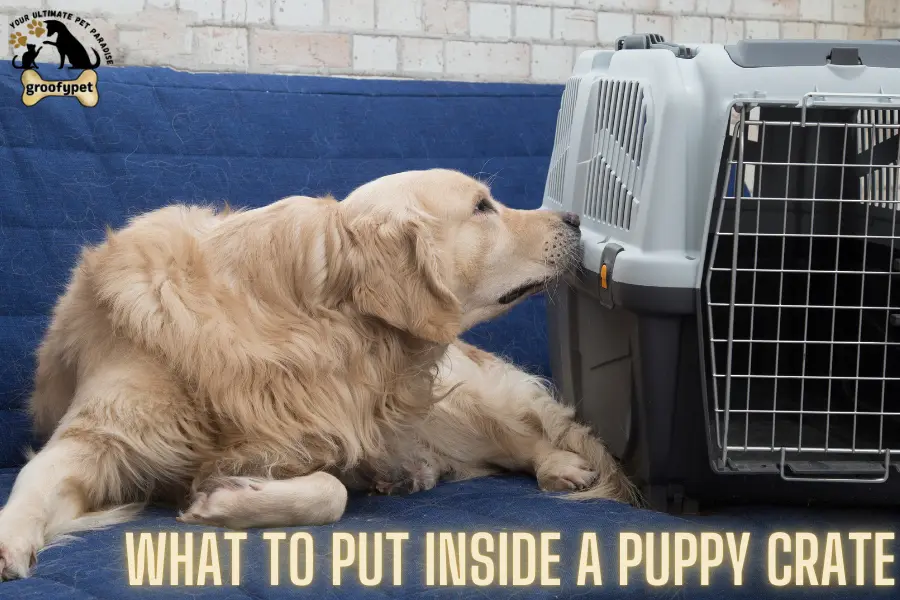
What to put inside a puppy crate refers to the essential items that create a comfortable, safe, and inviting space for a puppy within their crate. The goal is to ease crate training by including cozy bedding, a soft blanket, and safe chew toys. These items provide warmth and comfort, helping the puppy feel secure. Selecting the right crate essentials encourages positive associations with the space. This setup supports training by making the crate a calm, enjoyable environment.
Did you know that the right items inside a puppy crate can significantly ease your puppy into crate training? With carefully chosen essential items like comfortable bedding, chew toys, and a cozy blanket, your puppy’s crate becomes a space of comfort and security. Understanding what to put inside a puppy crate helps create a welcoming and stress-free environment, making crate training simpler for both you and your furry friend.
Struggling with a restless puppy in their crate? Setting up the right environment might be the solution. Choosing what to put inside a puppy crate can make a huge difference in your pup’s comfort, helping to calm anxiety and prevent boredom. With the right items like soft bedding and chew toys, you can transform the crate into a space that helps both you and your puppy feel at ease.
Your Puppy Should Have Enough Space in the Crate
Your puppy’s crate should be roomy enough for them to stand, turn around, and lie down comfortably. This ensures they feel at ease and can move freely within their cozy space.
Choosing the Right Crate Size for Comfort and Safety
Pick a crate size that allows your puppy to stand, turn, and lie down without feeling cramped. A good fit gives them space to move but not so much room that they feel lost or use one end as a bathroom. Measure your puppy’s height and length to find the best fit, and choose a crate that allows for growth.
Using Dividers for Growing Puppies
Dividers help make crate training easier for puppies who will grow into larger dogs. Adjust the divider as they get bigger, giving them extra space little by little. This setup keeps them secure while teaching them to use the entire crate correctly.
Crate Training Gets Easier With Time
Crate training becomes simpler as puppies adjust to the routine and feel secure in their space. With patience and consistency, they’ll soon see the crate as a comfortable, safe place to rest.
Starting with Short Crate Sessions
Begin crate training with short sessions to help your puppy adjust gradually. Keep the experience positive by staying nearby and offering gentle praise. These brief moments make the crate feel safe and welcoming, helping your puppy feel more at ease over time.
Positive Reinforcement and Crate Comfort
Use treats and toys to make the crate a fun place for your puppy. Reward them each time they enter, and add a favorite toy to keep them engaged. These small rewards help your puppy build a happy connection with the crate, making them look forward to spending time inside .
Include Basic Items to Comfort the Puppy
Add essentials like a soft bed, cozy blanket, and non-spill water bowl to make the crate comfortable for your puppy. These items help create a warm, inviting space they’ll enjoy.
Soft Bedding for Relaxation
Importance of comfortable bedding options like a small mattress or pet bed and their impact on relaxation.
Familiar Scents to Ease Anxiety
Suggest using a small item with the owner’s scent or a pheromone spray for calming effects, especially in a new home.
A Safe Chew Toy to Prevent Boredom
The benefits of having a durable chew toy to satisfy teething needs and provide mental stimulation.
How to Prepare the Crate for a Puppy?

Adding a Plastic Crate Liner for Easy Cleaning
Use a plastic crate liner to protect against accidents. This liner makes cleanup quick and easy, keeping the crate fresh and hygienic. It also helps extend the life of the crate by shielding the base from mess.
Placing a Soft Blanket or Towel for Naps
Add a soft blanket or towel to make the crate comfortable for your puppy. These items give warmth and comfort, helping your puppy feel secure. A cozy crate setup to feel better, and deeper sleep.
How to choose the Right Spot for the Crate in Your Home
Put the crate in a quiet area where your puppy can feel safe but still in Infront of the family. This location gives them a sense of a friendly environment without feeling isolated.
Play Soft Music During the Day
Play soft music or calming sounds to ease your puppy’s anxiety, especially when they’re alone. Gentle sounds help reduce stress and make the crate feel more relaxing. Choose low, soothing music to create a peaceful atmosphere.
Introducing Dog Toys for Entertainment
Add safe toys to keep your puppy entertained in the crate. Look for durable toys that are safe to chew. These toys help prevent aggression and make crate time more enjoyable for your puppy.
How to Make the Crate an Inviting Space?
Creating a Routine for Consistency
A consistent crate routine helps puppies feel safe and comfortable. Using the crate at set times, like during naps or mealtimes, teaches them when to rest and eat. This routine helps them settle down more quickly and makes the crate a familiar, positive space. With time, they’ll learn to go to the crate naturally, reducing stress and creating a healthy rhythm.
Teaching Puppies to Enter and Exit the Crate Calmly
Introduce crate boundaries with calm and gentle training. Treat your puppy into the crate with toys, making it a positive experience. Encourage them to enter and exit without rushing. Practicing this approach helps them stay relaxed and teaches them not to associate the crate with stress or force.
Ensuring Safety in the Crate
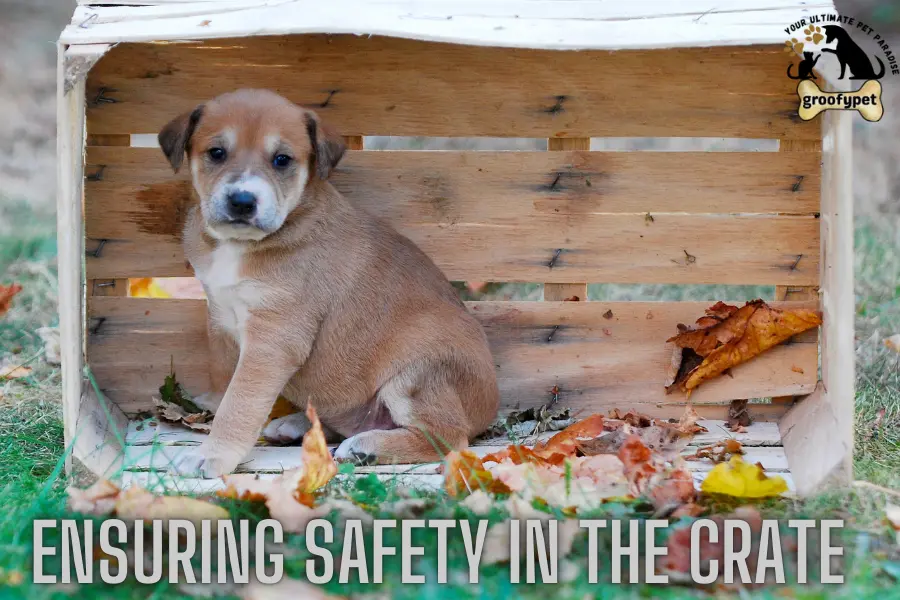
Keep your puppy’s crate safe by choosing durable, pet-friendly bedding and toys. Avoid items that could be chewed into small parts to prevent choking hazards.
Avoid Hazardous Items in the Crate
Keep dangerous items out of the crate, such as collars, small toys, and spillable water bowls. These can cause choking or create mess. Stick to safe, durable items that won’t harm your puppy.
Avoid Overcrowding with Too Many Items
Limit the crate to a few essential items to keep it spacious and comfortable. Too many things can cause overstimulation and reduce the sense of calm. A simple setup helps your puppy feel relaxed and focused.
- Crate training supports house training, helps set routines, and gives your puppy a safe place to relax.
- It provides structure and teaches boundaries.
- Over time, the crate becomes a comforting retreat where they feel secure.
- Your puppy’s needs will change as they grow and become more comfortable in the crate. Update the setup to match their size and preferences.
- This ensures the crate remains a positive, adaptable space for them.
Should You Put Anything in Your Puppy Crate at Night?
Putting different items in your puppy’s crate at night can help them feel secure and comfortable. Puppies are naturally den animals, and a well-prepared crate can feel the environment.
- Common items added to nighttime crate setups include a soft bed or blanket for warmth and comfort.
- You can also include a few safe toys to keep them entertained.
- If your puppy is still in the potty training phase, you might consider placing a puppy pad in the crate to prevent mess.
- These items create a cozy space and help your puppy feel less alone in their new home.
Should I Put Bed in My Puppy’s Crate?
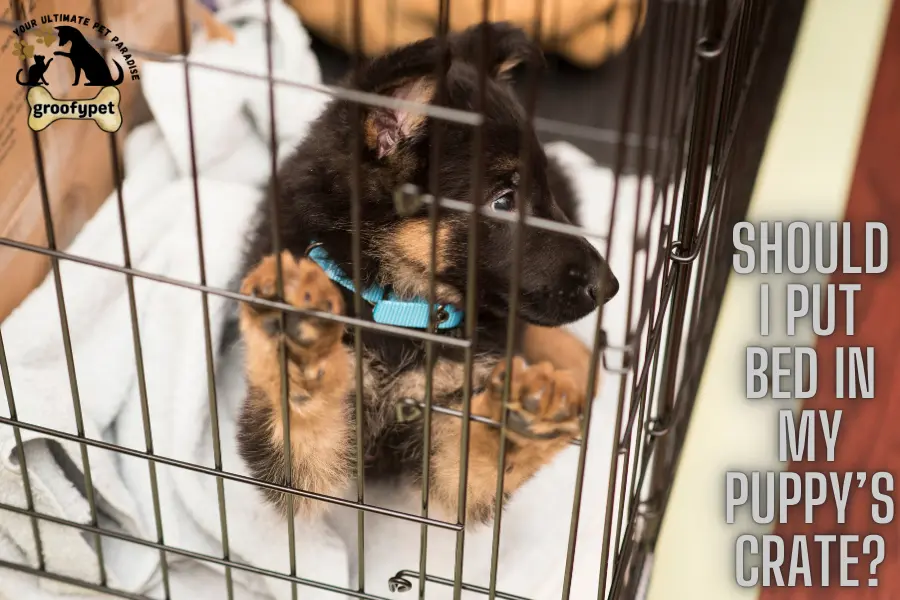
Adding a bed to your puppy’s crate can provide comfort and warmth. Choose the right bed according to your puppy’s needs. Look for chew-resistant and washable options. A bed that fits inside the crate will make your puppy safe and secure.
- The best bedding options like soft blankets, mats, and waterproof materials.
- Soft blankets can provide warmth and comfort, while mats are easy to clean.
- If your puppy habit of chewing, choose chew-resistant beds.
- Waterproof options are great for puppies.
- Make sure to check the bedding regularly and clean it often.
- Wash any items that get dirty to keep your puppy healthy.
Frequently Asked Questions
Should I Use Puppy Pads in Puppy Crate?
Puppy pads are helpful in the crate for young puppies. They can keep the crate clean. However, some puppies may chew or play with the pads. Use puppy pads if your puppy is still in the learning process. Change the pads often to keep your puppy comfortable and clean.
Do Puppies Need Blankets at Night?
Blankets keep puppies warm and cozy at night. They also provide a sense of security for young pups. If your puppy likes to chew, choose safe blankets that won’t harm them. Look for blankets made of durable materials that are easy to wash. A soft blanket can help your puppy feel relaxed and safe while sleeping.
What Toys Are Safe in My Puppy’s Crate at Night?
Choose safe and durable toys for your puppy’s crate. Rubber toys or plush toys without small parts work well. These toys can help your puppy feel comforted and keep them busy. Always check toys for wear and tear. Avoid toys that can break easily, especially if you leave them alone at night.
Should I Cover My Puppy Crate at Night?
Covering your puppy crate can create a cozy and safe space. Use a blanket or a purpose-made crate cover to cover the crate. Make sure it is breathable so that your puppy gets enough air. Avoid covering the crate if your puppy feels anxious or scared. Always observe how your puppy reacts to the cover.
Conclusion
Puppy crates can be a haven for your furry friend, offering them comfort and security. What to put inside a puppy crate? I recommend investing in a crate that has ample space for your puppy to move around, along with soft bedding and engaging toys to keep them entertained. Remember, a well-equipped crate can make a significant difference in your puppy’s happiness and development. So, take a moment to set up your puppy’s crate thoughtfully, ensuring it’s a welcoming space that they can enjoy.