What is board and train for dogs? The board and train program is an immersive approach to dog training where your furry companion stays at a residential facility, often for several weeks. This type of training is designed to reshape behavior and enhance obedience in dogs. In New Jersey, facilities specialize in these programs which are meticulously designed to instill lasting dog obedience.
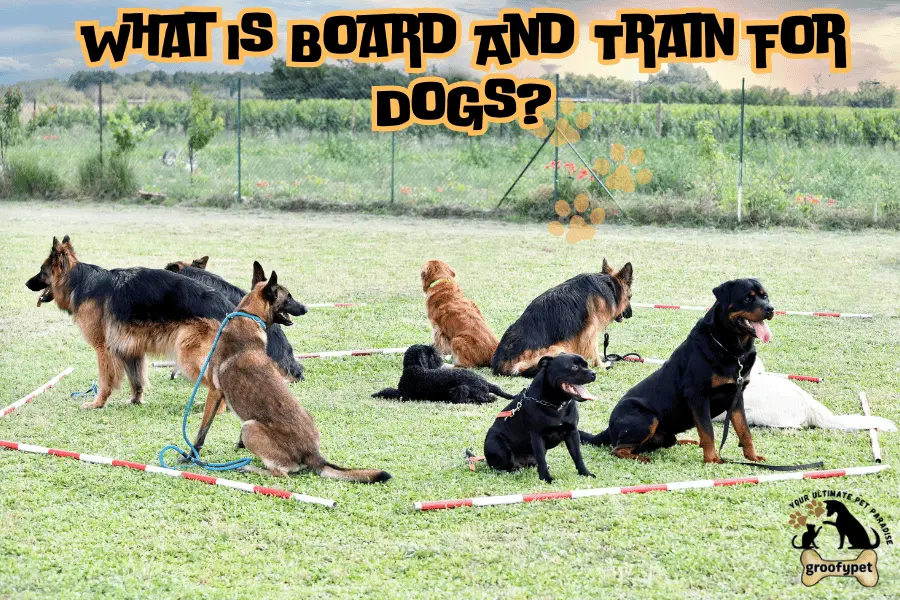
By providing a comprehensive regimen, these facilities offer a unique solution for dog owners looking to foster a harmonious bond with their pets. This service not only trains the canine, but also educates owners on how to establish a foundation of discipline and understanding that stands the test of time.
Each program is tailored to meet the needs of the dog, ensuring that even challenging behaviors are addressed. Canines are trained using proven techniques that focus on both obedience and behavioral change, with the goal of a transformed and well-behaved dog. Whether your pet needs basic manners or more advanced skills, these curriculums provide a structured environment where learning happens naturally.
The board and train model is an effective solution for busy dog owners who need a comprehensive and reliable way to help their pets thrive.
What are Board and Train Program?
Board-and-train programs are specialized dog training programs where your dog stays at the facility until the training is complete. This setup provides a more focused and controlled environment, ideal for dogs that need extra attention or intense training.
There are three main types of board-and-train programs:
- On-leash: Training is done with your dog on a leash or harness, often useful for aggressive dogs.
- Off-leash: Focuses on off-leash training, usually for dogs with less aggressive tendencies.
- On- and off-leash: A combination of both methods, offering the most comprehensive training.
These programs typically last three to six weeks but may vary based on your location and the program type. However, they may not be ideal for young puppies or dogs with severe separation anxiety, as they require extended time away from home.
Exploring Board and Train for Dog Training
When it comes to dog training, the board and train method offers a unique approach for managing and enhancing your dog’s behavior. This immersive training experience involves sending your canine to a boot camp where experts work on behavior modification in a structured and controlled setting. The board and train program ensures that your dog is in an environment that is focused on obedience and manners, addressing their specific needs.
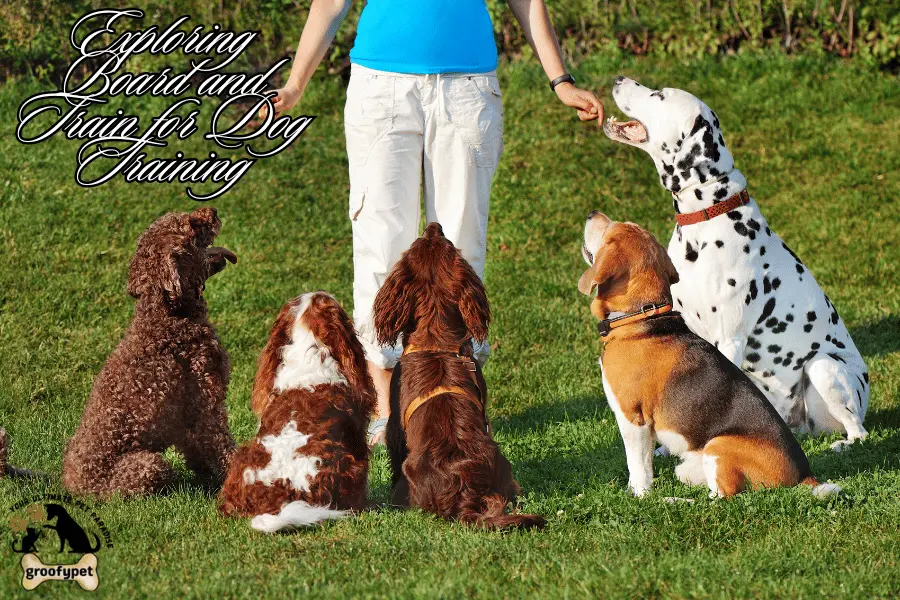
Unlike traditional training sessions, where the dog and owner interact in their home environment, board and train provides a standout experience with training approaches that are value-driven and methodical. This method emphasizes learning through consistent and structured interactions, ensuring your dog gains new skills and improved behavior in a canine-friendly atmosphere.
Reasons Why Board and Trains for Aggressive Dogs Aren’t Effective
- Limited owner involvement: Training away from the owner creates a disconnect between the dog and its primary handler, making it harder to reinforce behaviors at home.
- Short-term fixes: Aggression often requires long-term behavior modification, but board and train programs may focus on quick fixes that don’t address the root causes.
- Lack of real-world exposure: Dogs might not encounter the specific triggers or environments they react to during the program, leaving gaps in their progress when they return home.
- Unfamiliar training methods: Some board and train programs may use techniques the owner is uncomfortable with or unfamiliar with, leading to inconsistencies when transitioning back.
- Stress and anxiety: Being in a new environment for an extended period can increase a dog’s stress levels, which may exacerbate aggressive behaviors instead of reducing them.
- Owner training is crucial: Without teaching the owner how to manage the dog’s aggression the training is incomplete and bad habits can quickly return.
Pros and cons of board and train for dogs
Pros:
1-Fast-Track Learning
Board and train is a program where your dog stays with a professional trainer for a set period, focusing on resolving behavior issues or teaching new skills. This type of training can provide faster results because the trainer works with your dog consistently throughout the day. The trainer can evaluate and identify any specific problem areas and apply the best training technique to create positive change.
From my experience, private sessions with a trainer can be very effective, but choosing the board and train option often brings quicker benefits. During the program, the owner will also be involved, learning how to maintain the progress at home.
The program is especially affective for dogs who need more intensive training. The structured environment allows the trainer to closely monitor the dog’s progress and make real-time adjustments to the techniques used.
2-Flexibility for Busy Dog Parents
When you’re a dog parent with a busy schedule, finding the right time to handle projects around the house can feel challenging. A board-and-train program offers the perfect solution. During the length of the program, your dog is completely cared for, allowing you to focus on more complicated tasks without the constant presence of your dog.
For instance, it’s an ideal time to tackle major yard or house work, or even schedule extended travel. Whether it’s pest control or home renovations, things are more easily done when your dog is boarding, and you won’t have to make special safety accommodations for their well-being.
3-How New Environments Help Train Dogs
A board-and-training program offers more than just basic obedience; it helps expose your dog to new environments where they can feel more secure in places away from home. In my experience, this kind of training facility not only reduces distractions like small children or other pets that might exist at home, but also gives the dog a dedicated space to work and learn effectively.
This separation from the usual setting seriously aids their retention of commands and increases productivity during training sessions. Having a structured environment makes a significant difference in how quickly a dog adapts to learning, and the absence of familiar distractions can fast-track their progress.
4-Professional Assessment of Your Dog’s Progress
One of the biggest benefits of attending a board-and-train program is that professionals spend extended time with your dog, allowing for a deeper assessment of their behavior. Unlike weekly classes where the instructor only gets smaller windows of time to observe, this immersive environment gives a more comprehensive view. I’ve seen how these programs, with instructors seeing and working with the pet every day, provide a fuller picture of the dog’s mental and physical status.
At a board-and-train school, the resources available make it easier to identify specific training needs and offer guidance on how to continue training successfully at home. This consistency from day to day ensures your dog receives the attention they need, making it easier for them to maintain their progress once back in your home environment.
5-Easy Training for the Owner
One of the major advantages of Board and Train programs is that they make life easier for the owner. When the dog has already worked with a professional trainer, it’s much simpler for the owner to step in later and continue the process. The dog is familiar with its role, making it a smoother transition for both. This method is especially helpful for owners who have the ability to maintain a new skill but may find it difficult to teach due to a physical disability or some other limitation.
From my experience, I’ve seen how Board and Train can be a great choice for people facing challenges like this. The structured environment allows the dog to focus without distractions, and when the owner steps in, they are more confident in handling their pet.
6-Giving Your Dog a Clean Behavioral Slate
A big benefit of Board and Train is that it helps to reset the dog’s behavior by placing them in new environments. In some cases, familiar people or even a specific room can act as triggers for bad behavior. By removing the dog from these situations, they are given the chance to forget old habits and start fresh. This change makes it easier for them to learn and develop good habits in a neutral setting.
From my experience, I’ve noticed that simply changing the surroundings can have a big impact on a dog’s behavior. Whether it’s a new person or unfamiliar room, the shift helps the dog focus better on training and break away from those negative patterns.
7-Comprehensive Assessment
When it comes to Board and Train, not all dogs have the same needs. Some might only face one or two problems, while others may have so many that living with them becomes a struggle. The program is not just about teaching basic commands or giving cues, but more about discovering the right amount of stimulation your dog requires to truly succeed.
From my experience, each dog responds differently to Board and Train. It’s about understanding their specific challenges and providing the right environment and stimulation to help them thrive. This process ensures that their training is tailored to their needs, making it easier for them to overcome any struggle and be the best they can be.
Cons:
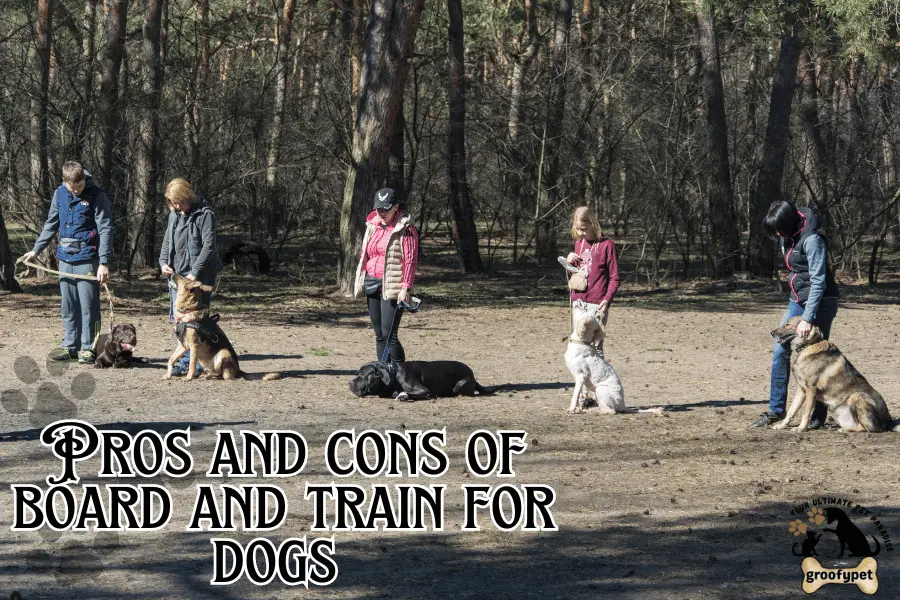
When looking into board and train programs, it’s important to be aware of some potential downsides. Many programs promise highly trained dogs in a short period, but this often comes with harmful side effects. Some programs rely on punishment-based techniques and tools like shock, prong, and chain training collars, which are not in the best interest of your dog. For more information on why these methods are problematic, check out my blog post on this issue.
1-The Transition Period in Board and Train
In board and train programs, dogs often need time to adjust to their new living situation before they can begin accelerated instruction. The results are not always instant, especially for dogs that are anxious or fearful. From my experience, it usually takes a few days for dogs to feel comfortable, and only then can smooth training begin. During the initial days of the stay, it’s important to allow them to settle in, which means this time may seem less productive. However, it’s a necessary part of the process.
As the dog starts to adjust, we can begin evaluating their behavior and start casually training them. Some dogs might be ready to work earlier, while others may take longer to fully settle in. Patience is key, as pushing a dog too quickly can hinder their progress. Once they feel at ease, the real training begins, and you’ll see more consistent results.
2-Building a Connection with the Trainer
In board and train programs, one challenge is the lack of a trusting relationship between the dog and the handler. Dogs aren’t robots that can be programmed for efficient training without a bond. From my experience, this relationship is a key part of successful reward-based training. It’s an intangible asset that can’t be developed overnight. While training can begin immediately, the connection between the trainer and dog plays a huge role in how smoothly the process goes.
Without this bond, the training may not be as effective. Dogs thrive when they feel secure and connected to their trainer, which makes them more responsive to cues. Building this trusting relationship takes time and patience, but it’s essential for lasting results.
3-The Financial and Time Commitment
The cost of a board and train program can be significant because it involves more than just training. A trainer spends a lot of time caring for your dog, often around the clock—24/7. This includes not only training but also managing their daily needs, which affects the overall cost. The trainer’s schedule is adjusted to fit the needs of each visiting dog, reflecting the comprehensive care they provide.
The work involved in board and train is intensive, with the trainer spending substantial time each hour ensuring your dog is well taken care of. This all contributes to the higher cost associated with these programs, as it covers both training and the daily care of your dog.
4-Monitoring and Oversight in Board and Train Programs
One concern with board and train programs is the lack of direct supervision. While a good program should provide regular updates on your dog, it’s not the same as observing how the trainer interacts with and handles your dog. Some programs might not offer sufficient transparency, which can lead to inhumane treatment if not properly monitored.
To ensure your dog is getting the care they deserve, be cautious and choose a program that provides regular video clips of your dog practicing and progressing. This allows you to see firsthand how the trainer is managing and interacting with your dog, giving you peace of mind about their well-being.
5-Choosing the Right Board and Train Program
When searching for a board-and-training program, it’s important to look beyond the basic template that most programs follow. Check reviews and consider taking a tour of the facility to ensure it aligns with your pet’s best interest. You want a program that prioritizes your dog’s care and well-being.
Ask parents and advocates in forums about their experiences with different programs to get honest feedback. A good program should focus on the animals it trains, not just offering a quick fix but providing real value for both you and your pet.
6-Understanding Your Role in Board and Train Programs
In a board and train program, you won’t be directly involved in the training of your pet. The trainer takes charge of the instruction, which means you’ll need to adjust to new commands and methods once your dog returns. This setup can impact the bonding process between you and your dog, as the trainer develops a relationship with your dog during their stay.
It’s crucial to understand that while you won’t be guiding the dog’s training yourself, you’ll still play a role in maintaining and reinforcing the training once your pet is back home. Keeping track of the progress and being open to learning from the trainer can help ensure that the training sticks.
7-No Control of the Treatment of Your Dog
When you enroll your dog in a board-and-train program, you give up some control over how your dog is treated. This means you won’t oversee their care, including how they are disciplined, their grooming, diet, or exercise. It’s important to recognize that the program will manage these aspects, which can affect your dog’s adjustment when they return to their old routine.
While the program aims to provide excellent care, not having direct oversight might be a concern. Ensuring the program has strong reviews and aligns with your expectations can help manage this lack of direct control and make the transition smoother for both you and your dog.
Understand Important Realities of board and train for dogs
When considering Board and Train for your dog, it’s important to keep two things in mind:
- Learning Speed: The trainer can only work as fast as your dog learns. Each dog’s progress depends on their genetics, temperament, breed, and past behavior—things the trainer can’t control.
- Team Effort: Training is a joint effort. The trainer will adjust to your dog’s pace and needs, but it’s a continuous process.
Board and Train will give your dog a great start, but it’s just the beginning. To keep up the progress and keep improving, you’ll need to maintain and practice with your dog regularly.
Frequently Asked Questions
What Does “Board” Mean in Dog Training?
In dog training, “board” means your dog will stay at the facility for the duration of the program, receiving accommodation and structured training during this time.
What is the Ideal Age for Board and Train?
From my experience, the best age to enroll a puppy in a board and train program is around six to eight months. At this stage, the puppy has reached a level of emotional and mental maturity that allows them to focus better on training.
Younger puppies may not have the retention or focus needed for intensive training. At six months, the dog’s development makes it easier for them to grasp and maintain the progress made during the program, ensuring long-term success.
What is the purpose of Board Training for Dogs?
Board and train is a program where dogs stay at a facility for training under professional trainers. It focuses on obedience, behavior modification, and improving behavioral issues in a structured environment away from home. The trainers work with the dog’s owners to reinforce commands and assess progress to ensure long-lasting results.
Final Thoughts
Board and train programs offer a focused environment for learning, but owners must stay involved to maintain the progress. If you’re considering this option, ensure you choose a reputable trainer and be prepared to follow up with continued reinforcement at home.
Why Puppy Sleeps in Crate At Night But Not During Day? Powerful Solution!