My Cat Sounds Congested When Purring. Why? when your beloved feline friend sounds congested while purring, it can be a source of concern. Cats, like humans, can have respiratory issues, and there are various reasons for this congestion. To provide more information and address this issue, let’s dive right into the topic. Hearing your beloved cat purr is usually a sign of a content and happy pet. However, if that purring sounds congested, it might indicate a health issue. This condition, which some refer to as purr-gestion, can be concerning for cat owners.
Does your cat sound raspy while purring? This could be due to respiratory issues like a head cold or other underlying problems. It’s important to know that purring isn’t always a sign of being happy. Sometimes, cats purr when they’re in pain or feeling stressed. Addressing this can prevent bigger health issues.
Scientific research has yet to fully explore purr-gestion. However, understanding the possible causes is crucial for your cat’s well-being. Regular vet check-ups can help identify and treat these issues early. If your cat’s purring sounds congested, consult your vet to ensure your pet’s health.
Why does my cat sounds congested when purring?
When your cat sounds congested, it could be due to nasal or airway obstructions, causing abnormal breathing. Ensuring clear nasal passages is essential for addressing such issues.
When your cat makes sounds that seem congested, it’s crucial to understand the potential causes and solutions. Congestion in cats can happen due to obstructions in their nasal passages or airways. This can make their breathing sound abnormal, ranging from mild sniffling to severe wheezing or a raspy tone.
For instance, my own cat, Whiskers, once had a nasal issue that caused congested sounds whenever he purred. After a vet visit, we discovered it was due to an upper respiratory infection. Addressing such congestion often involves ensuring clear nasal passages and sometimes requires medication.
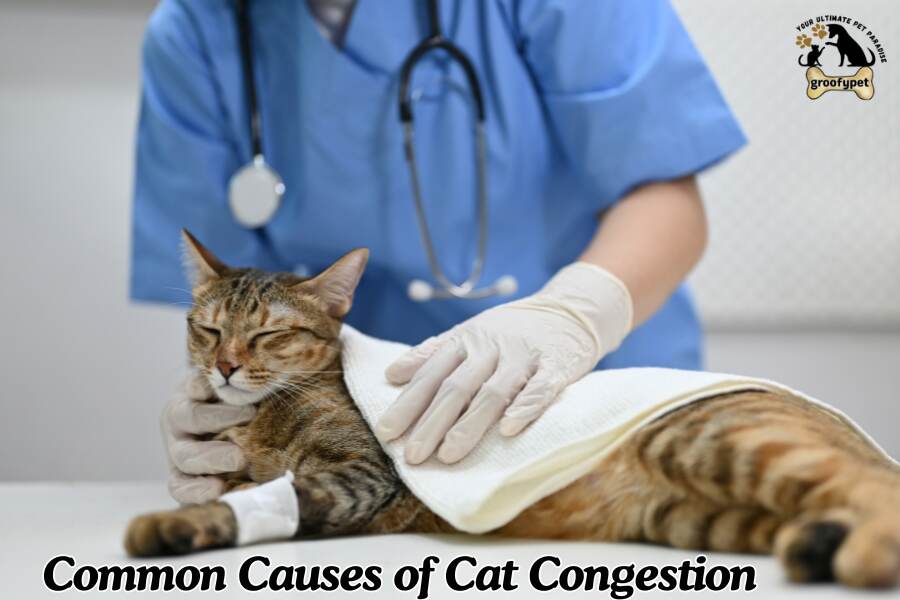
Common Causes of Cat Congestion
When your cat sounds congested and hissing while purring, it might be due to various reasons.
If your cat is showing these signs, it might be suffering from one of these. It’s always best to consult a vet to ensure your cat receives the appropriate treatment and care.
Congestion Due to Allergies
When my cat sounds congested while purring, I often think about allergies as a possible cause. Cats can react to various environmental factors like pollen, dust mites, and certain foods, leading to allergic reactions, nasal congestion, and other respiratory issues.
Congestion Due to Dental Problems
When my cat sounds congested while purring, it might be because of dental problems. Untreated dental issues can cause inflammation and infection in the oral cavity, which can spread to the nasal passages. This can lead to congestion and discomfort, making it important to address any dental issues promptly to ensure your cat breathes easily.
Congestion Due to Tumors or Polyps
When my cat sounds congested while purring, it might be due to tumors or polyps. These growths can obstruct the airflow in the nasal passages, leading to noisy breathing. I remember a time when my cat had trouble breathing, and the vet discovered a polyp causing the blockage. Regular check-ups can help detect these issues early, ensuring your cat breathes comfortably.
Risk Factors
- Elevated environmental temperatures
- Presence of fever
- Increased metabolic rate, which may occur due to:
- Elevated thyroid hormone levels (hyperthyroidism)
- Generalized bacterial infection (sepsis)
- Physical exercise
- Anxiety or excitement
- Respiratory or heart diseases that enhance ventilation, leading to increased air movement into and out of the lungs
- Turbulence from this heightened airflow can cause swelling and aggravate airway obstruction
- Consuming food or beverages
Diagnose why my cat sounds congested when purring?
- Pay attention to your cat’s health and symptoms like a congested purr.
- A veterinarian might use a stethoscope to check:
- Pharynx
- Trachea
- Examine mouth and nasal passages to find the cause of the sound.
- Expiration noises may indicate:
- Airway narrowing
- Abnormal conditions
- Suspected disease in the chest or voice box (larynx) leads to further investigation.
- Internal imaging techniques include:
- Radiography
- Fluoroscopy
- CT scans
- Imaging shows detailed anatomic and physiological changes.
- A veterinarian might examine:
- Nose
- Head
- Neck
- Soft tissues
- X-rays help visualize the cardiorespiratory system.
- Identify subclinical and clinical conditions.
- Brachycephalic conformation can lead to airway obstruction.
- Assess inherited location and structure affecting respiration.
- Careful diagnosis is needed to identify aggravating causes and manage your cat’s health.
Most cat colds typically last between seven to ten days and are generally not severe. However, if your cat has been experiencing cold symptoms and shows no signs of improvement within four days, it might be time to visit the vet.
How to manage and treat my cat congestion?
- Ensure proper airflow to the lungs.
- Supplemental oxygen can help maintain oxygenation in the blood and tissues.
- Seek emergency treatment if there is extreme difficulty in breathing.
- For obstruction, intubation with an endotracheal tube through the mouth into the trachea might be needed.
- In severe cases, a tracheotomy (a surgical opening in the trachea) might be required to bypass the airway blockage.
- Sedatives or relaxing medications can be prescribed to relax the muscles around the airways.
- Monitor the effects of medications and your cat’s oxygen levels.
- Persistent issues may require a biopsy to check for a mass in the airways and potentially surgery.
By understanding and addressing these points, you can ensure better health and comfort for your feline friend.
How to prevent my cat sounds congested when purring?
- To prevent this, veterinarians advise keeping your cat calm and avoiding extreme excitement.
- It’s also essential to manage their exercise properly.
- Avoid strenuous exercise and activities during high ambient temperatures, as these can cause breathing difficulties.
- The correct level of exercise can help keep your cat healthy without overexerting them.
- Always encourage your cat to rest in a cool, comfortable environment.
- If the congestion continues, it’s best to seek a veterinarian’s advise.
Frequently Asked Questions
Should I be concerned about my cat’s congested purring?
When my cat sounds noisy while breathing, it often points to upper respiratory infection or sinus issues, sometimes linked to dental disease. Other causes can include a foreign body in the nose, a tumor, nasopharyngeal stenosis, or a nasopharyngeal polyp causing narrowing in the throat. My cat experienced similar symptoms, and a vet visit revealed a simple nasopharyngeal issue. If your cat’s congestion persists, a vet should check for these potential problems.
Why does my cat produce wheezing sound when purring?
As a cat owner, it can be worrying when your pet starts to wheeze while purring. This irritation in the airways could be due to allergies, dust, or other inhaled particles. In more serious cases, it might point to life-threatening conditions like infections or blockages, so consult a vet to rule out these concerns.
How to Relieve a Congested Cat?
When your cat sounds congested while purring, it might have a cold or a stuffy nose. To help, increase the humidity in the house using a humidifier or vaporizer. Use a warm, damp cloth to gently wipe and cleanse your cat’s nose, and if they have watery eyes, apply saline solution with gauze pads to soothe them.
Final Thoughts
When my cat starts to sound congested while purring, it’s a clear sign of a potential health issue that shouldn’t be taken lightly. The well-being of my feline companion is of utmost importance to me. By paying attention to these signs and seeking timely veterinary care, I can ensure my cat stays healthy and can breathe easier. Understanding the causes of this congestion is crucial.
It could be due to allergies, infections, or even something more serious. By being proactive and not ignoring these signs, I am helping my feline friend live a better life. It’s essential to monitor any changes and seek professional help if needed. A little attention to these details can make a big difference in my cat’s overall health and happiness.