Dog litter box vs pee pads? When it comes to indoor potty solutions for dog many owners are confused between using dog litter boxes or pee pads. Both offer convenience and flexibility they serve different purposes depending on factors like the dog’s size, living environment, and the owner lifestyle.
For pet owners in apartments or homes with limited outdoor access choosing the right indoor solution can make a huge difference in maintaining cleanliness and managing potty habits. Whether you have a small puppy, a senior dog, or a pet with specific needs, selecting the appropriate solution is key to creating a happier, stress-free experience for both the dog and the owner.
Dog Litter Box Vs Pee Pads. How to Choose?
Understanding the features, benefits, and drawbacks of both dog litter boxes and pee pads is essential for making an informed decision that fits your dog’s needs and your living situation. Each option has its own key differences, and knowing them helps you choose the best method for you and your furry companion. A comparative summary of these options can help highlight their pros and cons, making it easier to decide what works best for your unique setup.
What will be the perfect size of a dog litter?
The size of a dog litter depends on dog’s size. Typically a litter can consist of anywhere from 1 to 12 puppies with an average of 5 to 6 puppies across all breeds. Just like different breeds have unique characteristics regarding size, function and temperament, they also show variability in litter size. According to data from AKC registrations Certain breeds are known to have larger or smaller litters reflecting the diversity among dogs.
Features of Dog Litter Boxes
Design
Dog litter boxes are typically designed to contain messes in an easy-to-clean unit. For example, the Doggy Bathroom is a popular model for small breeds, incorporating vertical pee pads to catch urine, which helps minimize spills.
Ease of Use
These boxes allow dogs more independence by providing an indoor option, especially useful during bad weather. Owners won’t need to take their dogs outside as often, which can be a relief for those with busy schedules or mobility issues.
Training
Like any indoor potty solution, training is necessary for your dog to use the litter box effectively. While some dogs may adapt quickly, others might need more patience and guidance to understand the concept.
Benefits of Dog Litter Boxes
Mess Reduction
Dog litter boxes help contain urine and prevent it from spreading, making cleanup easier and more manageable.
Odor Control
Many dog litter boxes incorporate odor-neutralizing materials that absorb liquids quickly, helping to reduce any unpleasant smells.
Space Efficiency
These boxes are particularly useful for apartment living or homes without easy access to outdoor spaces, offering a compact and efficient solution for small dogs.
Drawbacks of Dog Litter Boxes
Training Required
Unlike pee pads, litter boxes often require a dedicated training period. Some dogs may struggle to understand how to use them initially when they are used to going outdoors.
Size Limitations
Most litter boxes are designed to keep in mind the small breeds. Larger dogs may find it uncomfortable or may not fit at all, limiting the option for bigger pets.
|
Feature |
Dog Litter Box |
Pee Pads |
| Design | Enclosed box, typically larger with sides | Flat, absorbent pads, varying sizes |
| Usage | Dogs can step in and out easily; encourages natural digging | Simply placed on the floor for easy access |
| Materials | Special litter (clay, wood, paper, etc.) | Absorbent material, usually plastic backed |
| Odor Control | Often better odor control with litter | May require frequent changing to avoid smell |
| Training | Can aid in litter training for puppies | Used for potty training or as a backup |
| Cleanup | Requires scooping and changing litter | Simple disposal; just throw away the pad |
| Cost | Initial investment in the box, ongoing litter cost | Generally cheaper; pads need frequent replacement |
| Portability | Less portable due to size | Highly portable; easy to move around |
| Durability | Long-lasting if maintained well | Single-use; not durable |
| Best For | Indoor dogs or those in apartments | Puppies, elderly dogs, or for quick clean-ups |
This table presents a clear comparison to help dog owners decide between a dog litter box and pee pads based on their needs and preferences.
What will be the perfect size of pee pads?
Puppy pads come in different sizes, and a popular choice is just a bit smaller than XL incontinence pads. They usually measure 80×60 cm, while XL pads are about 90×80 cm. These puppy pads are super absorbent and dry quickly, making them great for most puppies and small dogs.
Features of Pee Pads
Material Composition
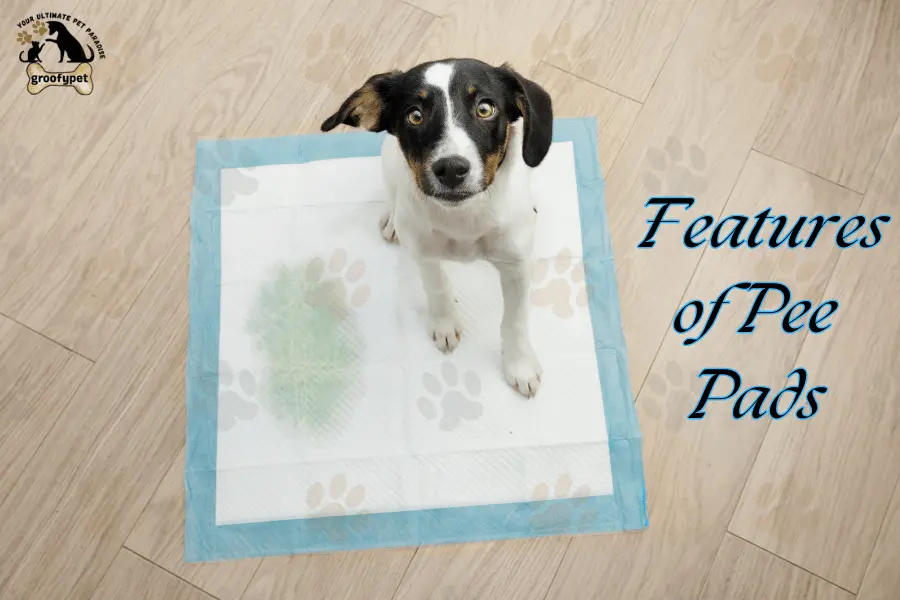
Pee pads are made from highly absorbent materials designed to turn liquid into a gel which helps to prevent leaks. Some pads also have odor control technologies to minimize smells.
Variety of Sizes
Pee pads come in various sizes making them suitable for different dog breeds and needs. Larger pads are particularly helpful for big dogs or households with multiple pets.
Benefits of Pee Pads
Convenience
Pee pads are easy to set up and replace making them a practical option for dog owners. They are especially helpful for puppies during house training or senior dogs with mobility issues.
Flexibility
They can be placed in various locations around the home giving dogs quick access to a bathroom spot whenever needed, which is particularly useful for larger spaces or multi-room homes.
Cost-Effective Options
Many brands offer affordable pee pads that don’t compromise on quality or absorbency making them a budget-friendly choice for long-term use.
Drawbacks of Pee Pads
Environmental Impact
Disposable pee pads contribute to landfill waste which raises concerns about their environmental footprint. Choosing biodegradable options can mitigate this issue but they may not always be readily available.
Potential Messes
If not monitored closely, dogs may tear up the pads or miss them entirely during use, leading to potential messes in the home. Regular supervision can help minimize this risk.
Comparison Features of Dog litter Box and Pee Pads

|
Feature |
Dog Litter Box |
Pee Pads |
| Ease of Cleaning | Easy to clean with contained mess | Requires disposal of used pads |
| Training Needed | Yes, training is essential | Minimal training; often instinctive |
| Space Requirements | Generally compact | Can be placed anywhere |
| Odor Control | Often built-in odor control | Varies by brand; some have strong odor control |
| Cost | Initial investment can be higher | Generally more affordable per use |
Can you put puppy pads in a litter box?
Yes, you can put puppy pads in a litter box! I recommend using Breeze pads for this purpose. Just make sure to fold the puppy pads instead of cutting them, as that will give you a better fit. I had to experiment a bit with the folding technique to get it just right, but once you do, it works perfectly!
Dog Litter Box vs. Pee Pads: A Comparison
Dog Litter Boxes
Dog litter boxes are indoor potty solutions that resemble cat litter boxes but are designed specifically for dogs.
Advantages:
- More environmentally friendly (less waste than disposable pads)
- Cost-effective long-term
- Contains odors better
- Mimics outdoor potty behavior with some models
- Can be easier to clean (just scoop waste)
Disadvantages:
- Higher upfront cost
- Takes up more floor space
- Some dogs resist using them
- Requires regular cleaning
- May need special dog-safe litter material
Pee Pads
Pee pads are absorbent, disposable or washable mats designed for dogs to urinate on indoors.
Advantages:
- Convenient and easy to use
- Good for apartments and travel
- No cleaning/scooping is required for disposable options
- Readily available in stores
- Familiar to many dogs from training
Disadvantages:
- Ongoing cost for disposables
- Environmental impact from disposables
- May encourage dogs to pee on similar surfaces (rugs, clothes)
- Less effective odor control
- Can be torn apart by playful puppies
Best For:
- Litter Boxes: Long-term indoor potty solution, for environmentally conscious owners, and dogs who need a dedicated bathroom spot
- Pee Pads: Temporary solutions, puppies in training, elderly dogs, travel, apartments with limited outdoor access
The best choice depends on your dog’s size, habits, your living situation, and whether you need a temporary or permanent indoor solution.
Frequently Asked Questions
What can I use instead of pee pads?
You can consider alternatives like Piddle Patch, which is a soil-free option made from real, fresh grass. This provides a natural and intuitive solution, helping to potty train your pup more effectively.
Is a litter box safe for puppies?
With the ideal setup, most puppies naturally take to the litter box because the litter box is the only suitable/appropriate area for them to potty in if they want to keep their play and rest areas clean. Put your litter box inside the playpen and let the puppy explore on its own for a minute or two.
Can I cut a puppy pee pad?
Yes, you can cut a puppy pee pad. Some puppies may quickly understand the concept, especially with the aid of potty cues. However, if your puppy is having difficulty, gradually cut the potty pad into smaller sizes until they start using the ground instead.
Conclusion
Choosing between a dog litter box and pee pads largely depends on your dog’s size, your living situation, and personal preferences. Litter boxes offer a contained solution ideal for small breeds in apartments, providing mess reduction and odor control.
On the other hand, pee pads provide flexibility and convenience, making them suitable for various dog types, from puppies to seniors. Each option has its advantages and drawbacks, so considering individual circumstances will help determine the best fit for your household.
Dog Grooming Terms: Essential Care for Your Beloved Pet
How To Crate Train A goldendoodle? Do’s Don’ts With Powerful Tips!