When cats start growling with no clear reason, it can be confusing for their human companions. These noises are part of their distinctive sounds used to communicate. our feline behavior behave aggressively, especially when they feel territorial or protective. Sometimes, this can seem dramatic but might just mean the cat is in pain, stressed, or in a bad mood.
Growling can also be how they react when they are not feeling friendly or are hearing something that makes them angry or agitated. Unlike meowing or purring, which are more interactive and positive, growling, along with chirping, and crying, shows they are upset. I’ve noticed my cat bares her teeth and growls when she’s overwhelmed or needs space. Understanding these sounds helps us be better human companions to our feline friends.
Cat is growling for no reason. What you need to know?
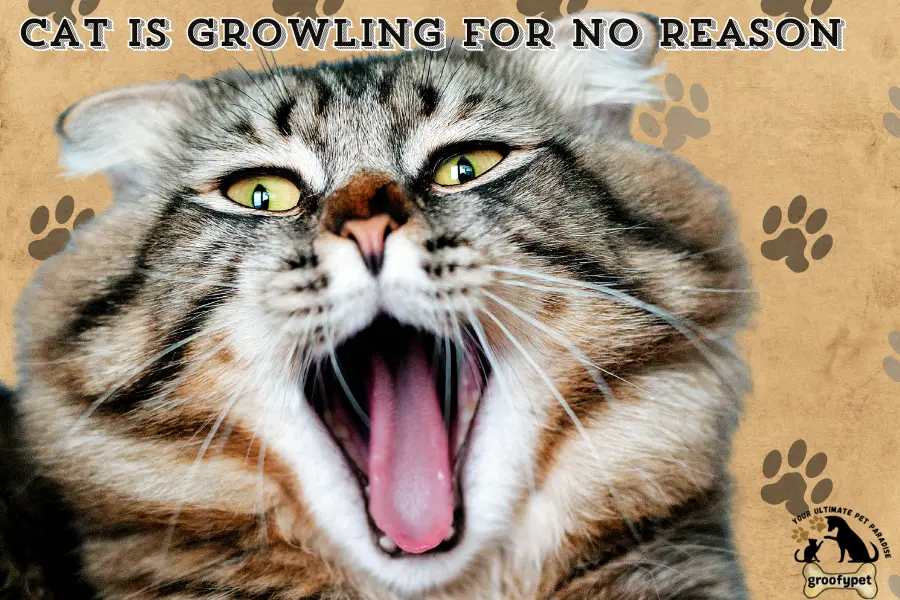
When a cat growls unexpectedly, it can be intimidating. Growling, a natural communication method for cats, signals aggression or discomfort. It’s important to identify if something is wrong. Overcrowding or feeling overwhelmed can cause such reactions. . Creating a calm environment can help diffuse tension.
Biting and murmuring are other signs to watch for. If the behavior is persistent, identify any issue like a wound or space problem and address it promptly. Sometimes, diffuse the tension without needing to intervene directly. Creating a mellow environment can be a solution.
The Main Facts for Your Cat to Growl
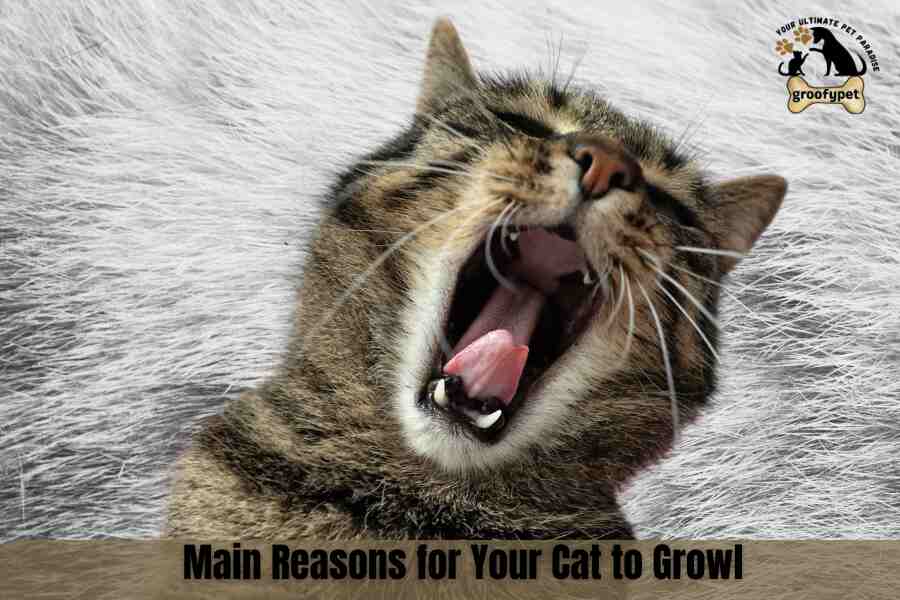
- When a cat is growling for no reason, it can be concerning for pet parents. In multiple cat households, growling can often be a display of dominance. Cats are territorial and love asserting who’s boss. Their snappy snarl can even put us in the feline firing line.
- Growling can also indicate that the cat is hurt or in pain. Uncharacteristic aggression might mean they’re struggling physically with dental disease, urinary tract infection, arthritis, or a wound. A thorough examination is essential, and you need to be gentle when checking the affected area .
- Stress is another big factor. Cats don’t handle stress or anxiety well. Changes like moving home, a change in routine, or trips to the vet can be triggers. Signs include restlessness, loss of appetite, and aggressive behavior. If your cat is acting differently, it’s crucial to identify and eliminate the stressor to help them get back to normal.
- Sometimes, we might be playing a bit too rough with them. While playful aggression can be fun, an overexcited cat might start biting or clawing. If you notice agitation, stop immediately and separate them if they’re playing with another cat until they settle down.
- Cats are also very possessive, especially adult mothers protecting their kittens from any threat. They can become attached to their food, toys, or other objects. Trying to remove these items from their possession can result in a growl.
- An angry or annoyed cat can be unpredictable, hissing ,nasty, and even violent. If they’re in a bad mood, a growl can be a warning sign of an impending attack. It’s best to back down, give them time to cool off, or even leave the room until they’re in a better mood.
- A scared or threatened cat might also growl. They could be reacting out of fear in a new environment, around a new pet or person, or when they feel trapped. In such cases, try to calm them and make them feel safe and comfortable.
When your cat is growling for no reason what should you do?
Dominance behavior
Cats often growl due to territorial behavior, especially when they feel their space is encroached upon or when someone gets too close to their bed or hiding spot. This common response is their way of protecting their perceived territory and communicating discomfort. Sometimes, they simply enjoy growling cats puff up their fur to express their unique habits, so understanding and respecting their need for personal space is essential.
When your cat starts growling for no reason, it might feel aggressive or threatened by a stranger or changes in its territory. Approach your cat slowly and lovingly, giving it space to feel safe and close to you, and the growling should subside.
Anxiety
If your cat is growling for no apparent reason, it might be due to stress and/or anxiety. As a cat owner, I’ve seen how these negative feelings can affect our furry friends. When a cat feels unsafe or has been moved to a new home, it can trigger anxiety and stress, causing them to growl.
Creating a safe space for your cat can help relieve these feelings. In my experience, offering a quiet area where your cat can retreat can provide significant relief. Understanding and addressing the reasons behind your cat’s growl will improve their well-being and your bond with them.
.
As a kitty parent, it can be unsettling when your normally friendly cat suddenly starts growling. From my experience, it’s essential to help your cat feel safe and comfortable in their new home. Giving your cat enough time to explore their space and find their own territory can ease their stress and reduce or even eliminate growling behavior
Perceived risk
When a cat growls for no apparent reason, it often senses a Perceived Threat. A shadow by the window, a noise in the house, or a commotion outside can make a cat feel threatened and respond by growling. They might believe a predator is nearby or be trying to hear what scares them. This behavior is likely their way of alerting you to what they feel might be a strange danger.
When your cat growls, it’s important to stay calm and avoid making sudden movements that might escalate their anxiety. Try to identify and remove the perceived threat if possible. If your cat continues to growl, give them some space to feel safe and secure. Understanding that this behavior is a defense mechanism can help you address the situation more effectively and ensure your cat feels comfortable and protected in their environment.
Displeasure
Your cat might growl for reasons that are not immediately clear, but often it’s a form of communication indicating annoyance or frustration. Sometimes, the noise in the room, such as the lights being too bright or visitors causing a disturbance, can trigger this behavior. The lack of exercise and activity during the day can also lead to a buildup of energy, resulting in aggression and annoyance when it’s time to settle down. Engaging your cat in more interaction and action throughout the day can help alleviate these behaviors.
If your cat is growling for no apparent reason, it might be due to annoyance from noise, lights, or commotion in the house. Interactive toys and engaging games can help redirect their energy. Spend uninterrupted minutes playing with your cat to keep them active and reduce bother. It’s important to commit to spending time with your cat and understanding their cause of distress. A quiet room where they can rest and relax can make a big difference.
FAQS
What could be causing my cat to growl at seemingly nothing?
Sometimes, your cat might start growling without an obvious reason. Fear and pain are common triggers, but health issues might also be the cause. If your cat is experiencing an underlying issue, like an injury, it could trigger growling. It’s best to consult a veterinarian to rule out any serious problems. Your cat may not always be angry, and there might not be an obvious cause, but it’s important to check.
Should I be concerned if my cat is growling?
When your cat starts growling, hissing, or spitting, it usually means they are annoyed, frightened, or angry. These signs of being aggressive indicate they want to be left alone, and you might also hear yowls, howls, or loud, drawn-out meows, suggesting they are in distress or even stuck in a closet or in pain. Always check if your cat is looking for help.
Do cats growl when they are in stress or pain?
Cats who are in pain often exhibit uncharacteristic aggression; they may hiss or growl when you or other members of your household come near. Cats growl for various reasons, sometimes due to stress or fear. When my cat started growling unexpectedly, I was initially concerned it was sick, but it turned out to be stress from recent changes at home.
Final Thoughts
When your cat is growling for no reason, it’s important to remember that growling is a natural way of communicating for felines. It lets people and other animals know that they are not welcome in certain circumstances. If a cat growls, it should be treated with respect and given its space. This can help alleviate any potential aggressive behavior.
Ensuring that the cat’s needs are met and provided for immediately can make a big difference. Through personal experience, I’ve learned that respecting a growling cat’s boundaries fosters a healthier relationship and reduces stress for both you and your pet.