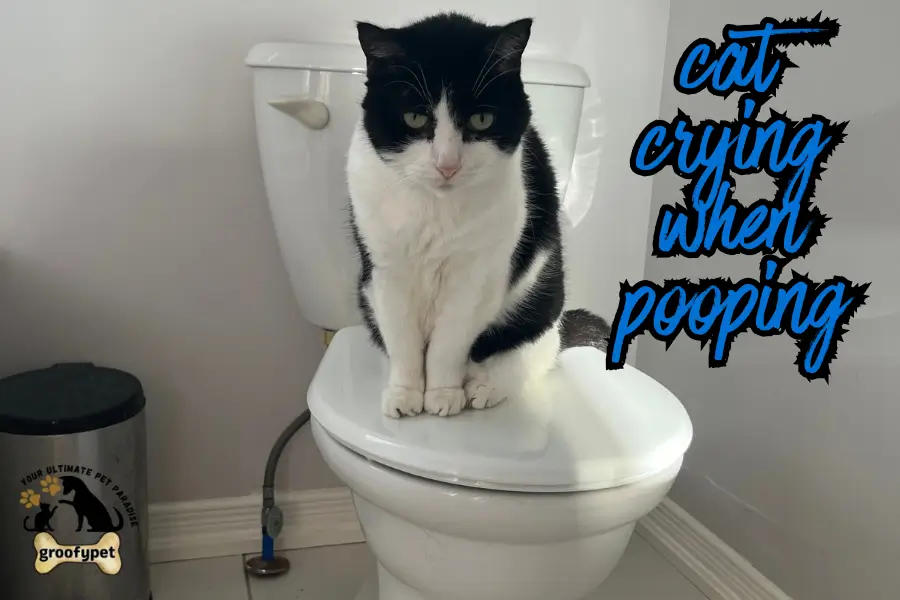
Cat crying when pooping is a stressful sign that many cat owners notice at home. This behavior often signals pain discomfort or fear during bowel movements. Cats hide pain well so crying sounds usually mean something feels wrong inside. When a cat cries while using the litter box it needs attention quickly.
Ignoring this sign can allow small problems to turn serious over time. Many causes range from simple constipation to painful medical conditions. Understanding this issue helps owners act fast and protect feline health. This guide explains causes symptoms treatments and prevention clearly. It helps you feel confident while caring for your cat.
Cats may also associate the litter box with pain and feel scared. Stress can increase crying sounds during bathroom time. This sign should never feel normal or harmless. Paying attention early helps prevent worsening health problems.
Common signs seen with cat crying when pooping
Cats often show other signs along with crying during bowel movements. These signs help identify the underlying issue faster.
1. Straining in the litter box
Cats may squat longer than usual while trying to poop. They push hard but produce little or no stool. Straining causes discomfort and triggers loud cries. This often points to cat constipation or dry stool problems. Repeated straining can irritate the rectum and anus. It can also cause fear of the litter box. This sign always needs close monitoring and quick action.
2. Small hard or dry stools
Hard stools are painful to pass and often cause crying sounds. Dry stool moves slowly through the colon. This increases pressure and pain during pooping. Cats with dehydration face this issue more often. Poor fiber intake can also worsen stool hardness. This problem commonly appears in indoor cats. Treating stool texture helps reduce crying fast.
3. Blood or mucus in stool
Blood in stool looks red or dark and signals irritation or injury. Mucus may appear slimy and unusual. Both signs suggest inflammation or infection. Cats cry because passing stool burns or stings. This often links to intestinal inflammation or parasites. Immediate veterinary care is important here. Delays can lead to severe digestive damage.
4. Frequent litter box visits
Cats may enter the litter box many times without success. Each visit may include crying or restlessness. This behavior shows discomfort and urgency. Cats feel pressure but cannot pass stool easily. This pattern often confuses owners with urinary problems. Observing stool output helps tell the difference clearly. Frequent visits always deserve attention.
Main causes of cat crying when pooping
Several medical and lifestyle causes can trigger crying during bowel movements. Understanding them helps choose the right solution.
1. Constipation in cats
Constipation is the most common cause of cat crying when pooping. Stool becomes hard dry and difficult to pass. Pain occurs as stool stretches the colon walls. Cats may cry loudly while straining. Low water intake worsens constipation problems. Lack of movement also slows digestion. Senior cats face this issue more often. Constipation needs early treatment to avoid blockage.
2. Megacolon condition
Megacolon occurs when the colon becomes enlarged and weak. Stool stays inside too long and hardens badly. Cats feel extreme pain while trying to poop. Crying sounds become intense and frequent. This condition often develops from untreated constipation. Some cats need long term care or surgery. Early diagnosis improves quality of life greatly.
3. Anal gland problems
Anal glands sit near the rectum and release scent normally. When blocked they cause pressure and pain. Pooping squeezes these glands and triggers crying. Cats may lick the rear area often. Swelling or redness may appear near the anus. Infections can develop if untreated. Vets can safely express or treat glands.
4. Intestinal parasites
Worms irritate the intestinal lining and cause discomfort. Pooping becomes painful and triggers crying. Parasites can cause diarrhea or hard stool alternately. Kittens face higher parasite risks. Weight loss and dull fur may appear too. Regular deworming prevents this issue. Stool tests confirm parasite presence.
5. Dietary issues
Poor diet affects stool quality and digestion speed. Low fiber foods cause hard stools. Sudden food changes upset the digestive system. Some cats react badly to certain proteins. Food intolerance causes inflammation and pain. Crying during pooping may follow dietary mistakes. Balanced nutrition supports healthy bowel movements.
6. Dehydration problems
Cats often drink less water naturally. Dehydration leads to dry painful stool. Crying occurs as stool passes slowly. Dry food diets increase dehydration risk. Kidney issues can also reduce hydration levels. Encouraging water intake improves digestion greatly. Wet food helps add moisture easily.
7. Arthritis and joint pain
Older cats with arthritis feel pain while squatting. The litter box position strains stiff joints. Cats cry even if stool passes normally. This pain links to movement not digestion. Low sided litter boxes help arthritic cats. Pain relief improves bathroom comfort. Arthritis often hides behind litter box problems.
8. Stress and anxiety factors
Stress affects digestion and muscle control. Cats may tense muscles during pooping. This tension causes discomfort and crying. Household changes trigger stress easily. New pets loud noises or routine changes matter. Stress can worsen constipation too. Calm environments support healthy litter habits.
How vets diagnose cat crying when pooping?
Veterinarians follow clear steps to find the cause accurately. Diagnosis ensures safe and effective treatment.
1. Physical examination
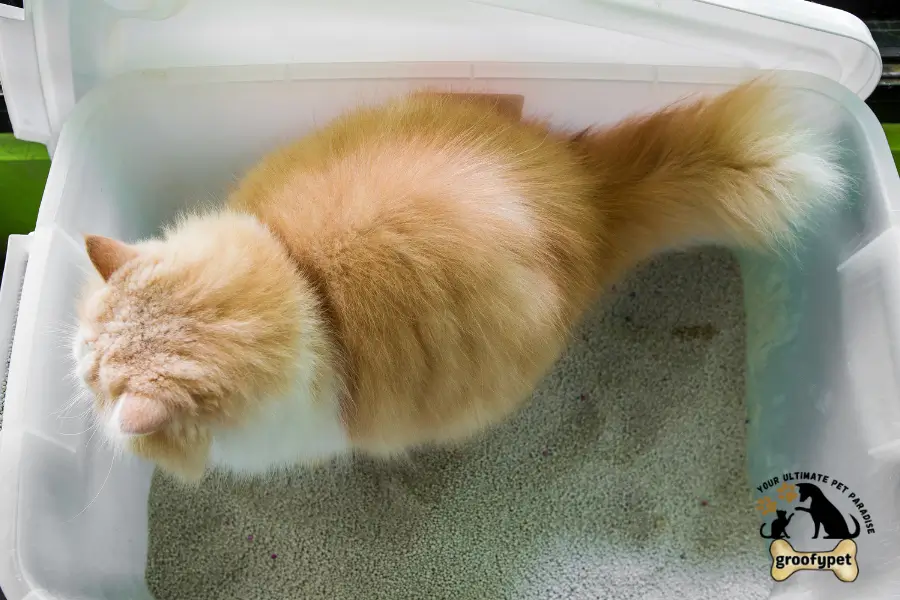
Vets check the abdomen for swelling or pain. They inspect the anus for injury or infection. Body condition and hydration levels are assessed. Pain reactions guide diagnosis direction. Physical exams provide valuable early clues. Cats may feel relief after gentle examination. This step always comes first.
2. Stool testing
Stool samples reveal parasites bacteria or blood. Tests help confirm infections or inflammation. Results guide medication choices accurately. Regular testing prevents repeated issues. Stool exams feel simple but offer strong insight. They rule out common digestive threats. Accurate diagnosis speeds recovery.
3. Imaging tests
X rays show stool buildup or colon enlargement. Ultrasound checks organ health and blockages. Imaging confirms megacolon in cats clearly. These tests help plan treatment steps. Imaging avoids guesswork and delays. Vets recommend it for chronic cases. Early imaging saves long term discomfort.
Treatment options for cat crying when pooping
Treatment depends on the cause and severity of symptoms. Early care often brings quick relief.
1. Dietary adjustments
High fiber diets soften stool and ease passing. Wet food adds moisture to digestion. Gradual food changes prevent stomach upset. Prescription diets may help chronic cases. Proper nutrition supports long term gut health. Diet changes often reduce crying quickly. Always follow vet guidance closely.
2. Hydration support
Increased water intake softens stool naturally. Water fountains encourage drinking habits. Adding water to food helps hydration. Subcutaneous fluids may help severe dehydration. Hydration improves overall organ function. Well hydrated cats poop more comfortably. This step is simple but powerful.
3. Medications and supplements
Vets may prescribe stool softeners or laxatives. Pain relief reduces crying during bowel movements. Probiotics support healthy gut bacteria. Parasite treatments remove intestinal irritants. Medication choice depends on diagnosis. Never give human laxatives to cats. Always use vet approved products.
4. Litter box modifications
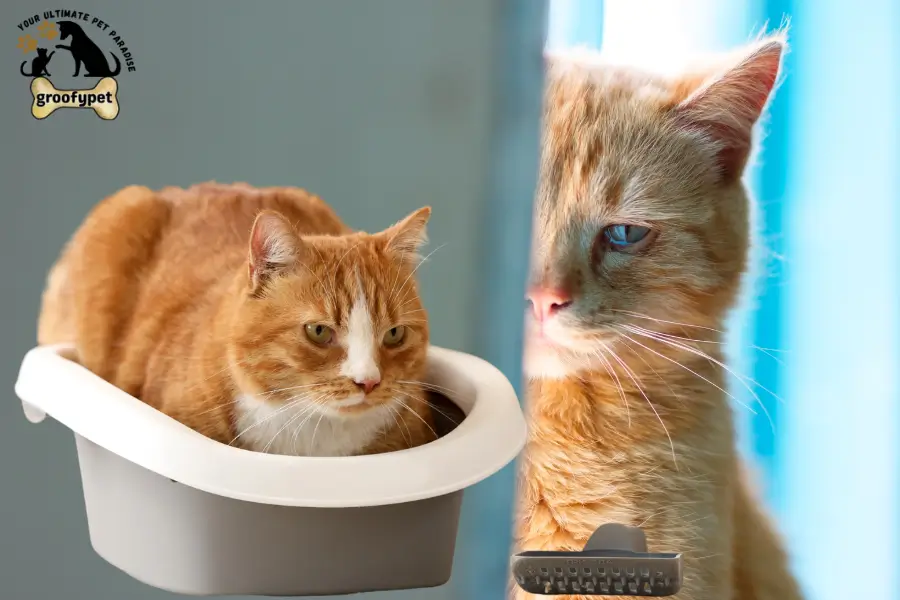
Low entry boxes help cats with joint pain. Clean boxes reduce stress and fear. Soft litter feels comfortable on paws. Quiet locations promote relaxed bathroom time. Box changes reduce anxiety linked crying. Environment matters as much as medicine. Small changes create big comfort.
Home care tips for cats crying when pooping
Home support helps recovery and prevents repeat issues. Owners play a vital role here.
1. Monitoring bowel habits
Track stool frequency size and texture daily. Note any crying or straining sounds. Changes help detect problems early. Keep records if issues continue. Monitoring helps vets adjust treatment plans. Early awareness prevents emergencies. Consistency builds healthy routines.
2. Stress reduction at home
Maintain routine feeding and play schedules. Provide quiet safe litter box areas. Avoid sudden household changes when possible. Use calming pheromone diffusers if needed. Stress control supports digestion and comfort. Calm cats poop more easily. Emotional health affects physical health strongly.
When to see a vet immediately?
Some signs require urgent veterinary attention. Delaying care can risk serious outcomes.
1. No stool for more than two days
Lack of stool signals blockage or severe constipation. Crying may increase with time. This condition can turn dangerous quickly. Cats need prompt medical help here. Waiting worsens colon damage. Early treatment prevents surgery. Always act fast.
2. Severe pain or collapse
Loud constant crying shows intense pain. Weakness or collapse signals emergency. These signs may link to obstruction or infection. Immediate vet care is critical. Emergency treatment saves lives. Never ignore extreme symptoms. Quick action protects your cat.
Prevention of cat crying when pooping
Preventive care keeps bowel movements comfortable long term. Simple steps reduce risk greatly.
1. Balanced nutrition plans
Feed high quality balanced cat food daily. Avoid sudden diet changes often. Include moisture rich meals regularly. Fiber supports stool movement naturally. Proper diet prevents many digestive issues. Nutrition remains the foundation of gut health. Consistency matters most.
2. Regular vet checkups
Routine exams catch problems early. Vets monitor weight hydration and digestion. Early detection prevents chronic conditions. Senior cats need closer monitoring. Checkups support long term comfort. Prevention always costs less than treatment. Health plans protect your cat.
Male cat crying when pooping
A male cat crying when pooping usually feels pain or pressure inside the body. Male cats often suffer from constipation or urinary issues that cause discomfort near the rectal area. When stool becomes hard it stretches the colon and creates pain during bowel movements. This pain makes the cat cry or yowl in the litter box.
Dehydration and low fiber diets increase this problem in male cats. Sometimes prostate swelling or pelvic injuries also add pressure while pooping. If crying continues for more than one day veterinary care becomes important. Early treatment prevents serious complications.
Cat crying when pooping diarrhea
Cat crying when pooping diarrhea happens because loose stool irritates the intestines and anus. Diarrhea causes burning sensations that feel painful during bowel movements. Cats cry because the muscles contract frequently and without control. This problem often comes from food changes parasites infections or stress.
Kittens and senior cats suffer more from diarrhea related pain. Dehydration can develop quickly and worsen discomfort. If diarrhea lasts longer than twenty four hours it needs medical attention. Treating the cause helps stop crying fast.
Female cat crying when pooping
A female cat crying when pooping often experiences digestive or reproductive related discomfort. Constipation remains the most common reason for this behavior. Female cats may also cry due to inflammation near the rectum or anal gland problems. Hormonal changes can sometimes affect digestion and bowel comfort.
Pain increases when stool becomes dry and hard to pass. Stress and anxiety also trigger muscle tension during pooping. Observing litter box habits helps identify the issue early. Veterinary guidance keeps female cats comfortable and healthy.
Old cat crying when pooping
An old cat crying when pooping often struggles with age related health problems. Arthritis makes squatting painful even if stool passes normally. Older cats also face dehydration kidney disease and slow digestion. Constipation becomes more common with age.
Pain causes loud crying before or during bowel movements. Senior cats may avoid the litter box due to discomfort. Low entry litter boxes help reduce joint strain. Regular vet visits support aging cats greatly.
Why does my cat cry before pooping?
Many owners ask why does my cat cry before pooping when they notice vocal sounds early. Cats cry before pooping due to pressure building inside the colon. The body prepares to pass stool and pain signals begin early.
Anxiety also plays a role especially if past pooping caused pain. Cats remember discomfort and fear repeating it. Constipation and gas increase this sensation. Crying before pooping warns owners of underlying discomfort. Early care prevents worsening pain.
Cat crying before pooping outside litter box
Cat crying before pooping outside litter box often signals fear or negative litter box association. Cats link the litter box with pain from previous bowel movements. They may cry and move elsewhere hoping to avoid discomfort. Dirty litter boxes increase stress and avoidance.
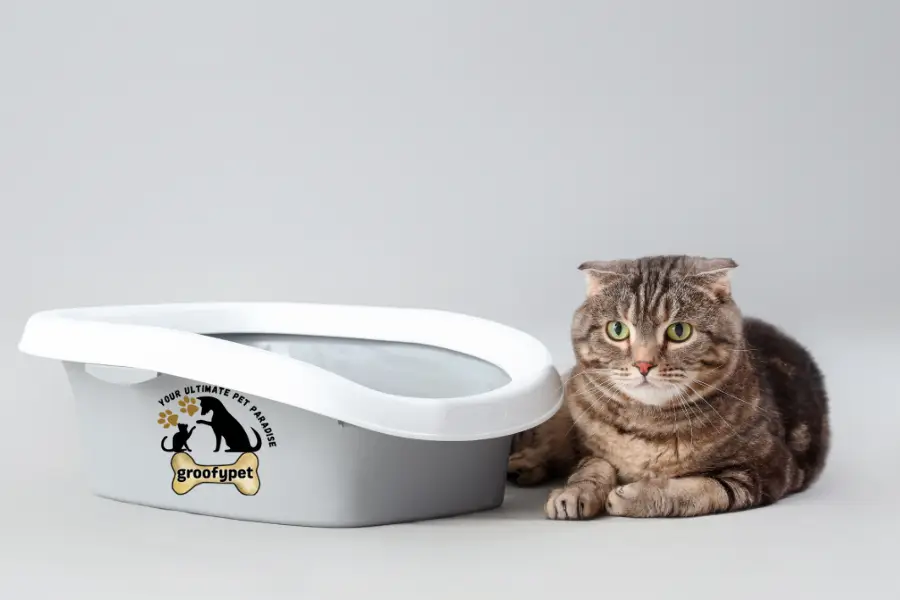
Pain from constipation or diarrhea worsens this behavior. Some cats feel safer pooping on soft surfaces. This behavior needs medical and environmental attention. Fixing pain restores normal litter habits.
kitten crying when pooping diarrhea
Kitten crying when pooping diarrhea happens frequently due to sensitive digestion. Kittens have delicate intestines that react quickly to food changes. Parasites commonly cause diarrhea in young cats. The inflamed bowel lining causes burning pain while pooping.
This pain leads to crying and restlessness. Diarrhea can dehydrate kittens very fast. Immediate treatment protects growth and health. Vet care is always recommended for kittens.
Cat crying when pooping diarrhea
Cat crying when pooping diarrhea happens because loose stool irritates the intestines and anus. Diarrhea causes burning pain when stool passes out. This pain makes the cat cry or yowl loudly. Frequent bowel movements also create muscle strain and discomfort.
Food changes parasites or infections often trigger diarrhea. Stress can worsen digestive upset and crying behavior. Dehydration may develop quickly and increase pain. If diarrhea lasts more than one day a vet visit is important.
Why is my cat crying when pooping?
Why is my cat crying when pooping is a common and important question for cat owners. Crying usually means the cat feels pain pressure or fear during bowel movements. Constipation diarrhea or inflammation cause discomfort inside the colon.
Anal gland issues may also cause pain while pooping. Stress and anxiety can tighten muscles and increase pain. Older cats may cry due to joint pain while squatting. This behavior always signals a problem that needs attention.
Senior cat crying when pooping
Senior cat crying when pooping often links to age related health problems. Older cats commonly suffer from constipation dehydration and arthritis. Squatting becomes painful due to stiff joints. Digestion slows down which makes stool harder to pass.
Kidney disease can also reduce hydration and worsen stool dryness. Senior cats cry because they feel pain even before stool comes out. Low entry litter boxes help reduce joint stress. Regular vet checkups support aging cats comfort.
Male cat crying when pooping
Male cat crying when pooping usually happens due to constipation or digestive discomfort. Male cats may drink less water which leads to dry hard stool. Straining causes pain and loud crying in the litter box. Some male cats also face pelvic or rectal pressure issues.
Pain increases when stool stays too long in the colon. Stress can make muscle tension worse during pooping. Early treatment prevents serious bowel problems. Observation helps catch issues quickly.
Female cat crying when pooping
Female cat crying when pooping often results from constipation or intestinal irritation. Hormonal changes may sometimes affect digestion and bowel comfort. Anal gland problems can cause pressure near the rectum. Stress and anxiety also trigger muscle tightening during bowel movements.
Dry stool increases pain and discomfort. Female cats may cry before or during pooping because of fear. Clean litter boxes reduce stress related pain. Veterinary care ensures proper diagnosis and relief.
Male cat crying when pooping diarrhea
Male cat crying when pooping diarrhea happens when loose stool burns the intestinal lining. Diarrhea causes urgency and frequent painful bowel movements. The anus becomes sensitive and irritated quickly. This pain leads to loud crying sounds.
Food intolerance or parasites often trigger diarrhea in male cats. Dehydration can develop and worsen discomfort. If diarrhea continues longer than one day vet care is necessary. Treating the cause stops crying behavior.
Cat crying out when pooping
Cat crying out when pooping signals sudden sharp pain or fear. This cry may sound louder and more urgent than normal meowing. Pain can come from constipation diarrhea or rectal inflammation. Cats may associate the litter box with pain and feel anxious.
Straining increases pressure and discomfort. Crying out often happens during severe bowel difficulty. This sign should never be ignored. Immediate observation and care are important.
Frequently Asked Questions
Is cat crying when pooping always serious?
Cat crying when pooping often signals discomfort and should never be ignored. Some causes feel mild but can worsen quickly. Early checks prevent serious complications. Always observe patterns and duration. If crying repeats seek vet advice. Prompt care brings faster relief. Caution keeps cats safe.
Can stress alone cause cat crying when pooping?
Stress can tense muscles and slow digestion. This leads to discomfort during bowel movements. Crying may appear without medical disease. Stress often worsens constipation too. Addressing environment reduces symptoms. Calm homes support healthy digestion. Stress should still be evaluated carefully.
How long should treatment take to work?
Mild cases improve within days after treatment starts. Dietary changes show results gradually. Chronic conditions take longer to manage. Consistent care brings steady improvement. Follow vet instructions closely always. Never stop treatment early. Patience supports healing.
Final Thoughts
Cat crying when pooping is a clear sign that something feels wrong inside your cat. This behavior should always receive attention and care. Many causes remain treatable with early action and proper support. Simple changes in diet hydration and environment help greatly.
Veterinary guidance ensures safe and effective treatment. Observant owners protect feline comfort and health daily. With care patience and awareness cats return to pain free litter habits. Healthy digestion leads to happier lives.
Why Are Orange Cats So Weird? A Heartwarming Look Into Their Playful World!
Cat Gurgling Sound Breathing: When to Worry and How to Help Fast!