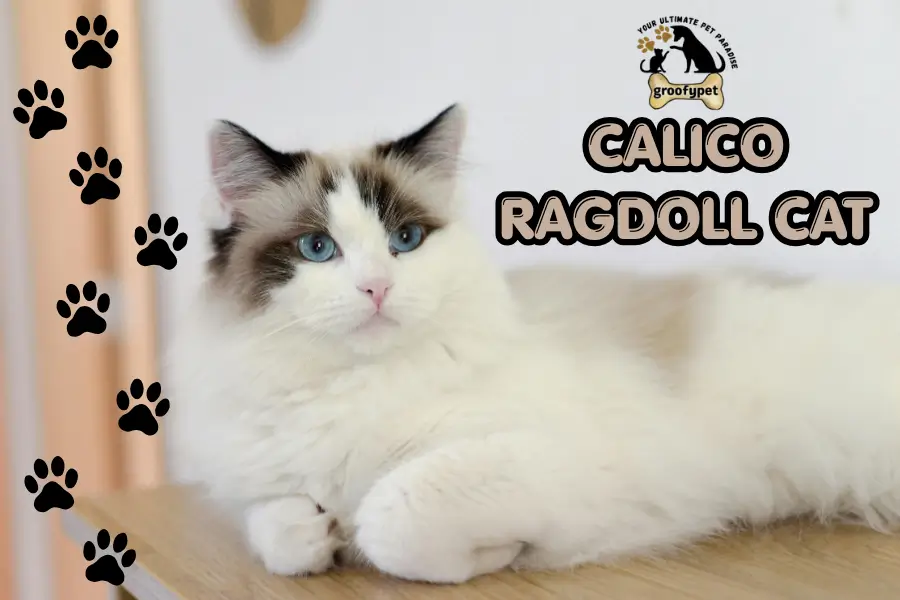
If you have ever seen a cat that made you stop and think “wait, what breed is that?” — it was probably a calico ragdoll cat. This cat is not something you come across every single day. It has the soft and calm personality of a ragdoll breed but wears a coat that looks like a colorful painting.
White patches, black patches, and bright orange patches all sitting together on one fluffy body. It is genuinely one of the most visually striking cats in the world. A lot of people fall in love the moment they see one. And honestly, who could blame them?
But there is a lot more to this cat than just looks. The calico ragdoll cat has a fascinating history, a unique set of genetics, and a personality that will win over even people who say they are not cat fans. Whether you are thinking about getting one or you just want to learn more about this rare feline, you are in the right place.
This guide covers everything from the breed’s origin and coat genetics to care, health, temperament, and where to find one. Let us get into it.
A true calico ragdoll is almost always a mixed-breed cat that has inherited its tri-color coat pattern from another breed introduced somewhere in the bloodline. That other breed is often a Persian or an American Shorthair since both of those breeds can carry the calico gene naturally.
The result is a cat that looks like a ragdoll in size and build but carries a completely different coat pattern that pure ragdolls simply cannot produce on their own. This does not make the cat any less wonderful to own. It just means you are getting something genuinely rare and different.
Many people actually prefer the mixed background because it adds a layer of visual uniqueness that no two cats share.
What does “calico” actually mean?
A lot of people use the word “calico” and “tortoiseshell” interchangeably but they are not the same thing. Calico refers to a three-color coat that includes white, black, and orange patches. The key ingredient that separates a calico from a tortie is the presence of white. A tortoiseshell cat has black and orange but no white.
A calico has all three colors together. The calico coat pattern is not tied to any specific breed. It is purely a result of X chromosome genetics and can appear in many different breeds when the right genes are present. The patches are completely random which means every single calico ragdoll cat looks different from the next one.
You will never find two that are exactly the same. Some have large white areas with small orange patches. Others have equal parts of all three colors spread across their face and body. That unpredictability is part of what makes them so exciting to look at and so loved by cat enthusiasts around the world.
How is a calico ragdoll different from a regular ragdoll?
A standard ragdoll has what breeders call a pointed coat pattern. That means the body is light in color while the face, ears, paws, and tail are darker. Common standard ragdoll colors include seal, blue, chocolate, and lilac. The colorpoint mitted and bicolor patterns are the three accepted patterns under the CFA breed standard. A calico ragdoll breaks away from all of that entirely.
Instead of a smooth gradient from light body to dark points, the calico ragdoll has bold random patches of three distinct colors. The body type is still large and muscular like a typical ragdoll. The fur is still medium to long, soft, and silky. The blue eyes are often still present and stunning as ever.
But the coat tells a completely different genetic story. This difference is important to understand especially if you are planning to show your cat competitively because the calico pattern is not recognized by major cat registries like TICA (The International Cat Association) or the CFA for ragdolls. For everyday companionship though it matters very little.
The history and origin of the calico ragdoll cat
The ragdoll breed has one of the most interesting origin stories in the cat world. It all started in Riverside, California back in the early 1960s. A breeder named Ann Baker was working with a white domestic longhaired cat named Josephine. Josephine was not a pedigreed cat by any measure but she produced kittens that had something special.
They were calm, relaxed, and had a tendency to go completely limp when picked up — just like a stuffed ragdoll toy. That unusual trait inspired the breed name. Ann Baker noticed that the kittens from Josephine’s litters had an unusually docile temperament and she set out to develop that quality intentionally through selective breeding.
Over the next several years she refined what would become one of the most gentle and affectionate cat breeds in the world. The ragdoll gained recognition from the National Cat Fanciers Association in 1973 and later from the CFA in 1993. Ann Baker passed away in 1999 from lung cancer and never saw her breed reach full championship status but her contribution to the cat world was undeniable and lasting.
How the calico pattern entered the ragdoll world?
The calico version of the ragdoll came later and happened as a result of crossbreeding. Pure ragdolls do not carry the gene needed to produce a calico coat. The gene responsible for the orange coat color sits on the X chromosome and the specific combination needed for a full calico pattern simply does not exist within the standard ragdoll gene pool.
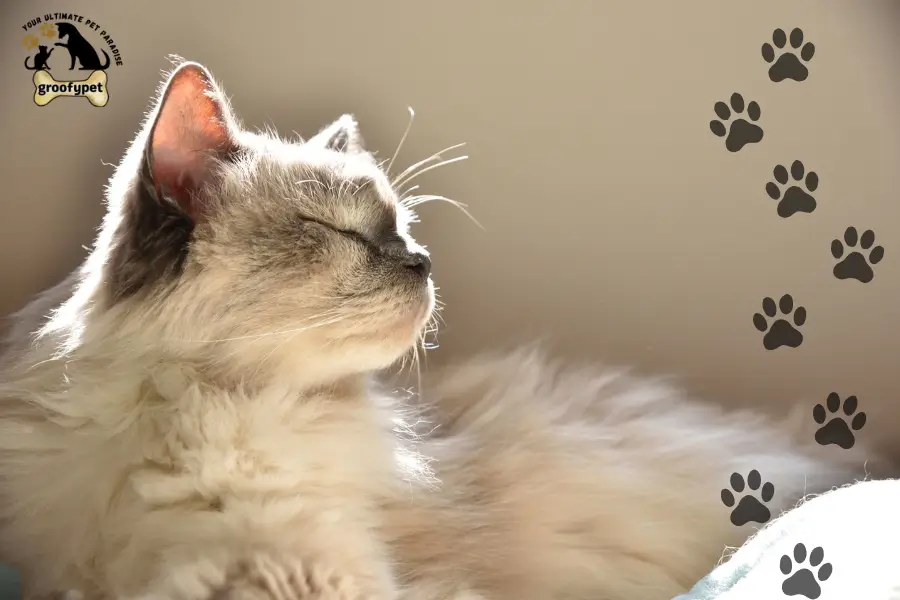
So at some point a breeder introduced a non-ragdoll calico cat into the breeding program. Persians are one of the most common breeds used for this kind of crossing because they are similar in temperament and can carry the calico coloring naturally. The result was a cat that carried the ragdoll’s famous size and personality while also wearing that beautiful tri-color coat.
These cats were never formally recognized as a breed of their own but they attracted a devoted following of cat lovers who valued their rarity and visual appeal. The combination of white cream and orange patches on a large fluffy cat is something most people have never seen before and it makes a strong first impression every single time.
The genetics behind the calico ragdoll cat
Here is the science part and it is actually pretty fascinating once you understand it. The calico coat pattern is directly linked to the X chromosome. Female cats have two X chromosomes which means they can carry two different color genes at the same time — one for orange and one for black. Combined with a separate gene that introduces white unpigmented areas, this creates the three-color pattern we call calico.
Males on the other hand typically have one X chromosome and one Y chromosome. With only one X chromosome, a male cat can only express one color from the orange or black gene — not both at the same time. This is why almost every calico ragdoll cat you will ever meet is female. It is not a coincidence.
It is basic cat genetics at work and it makes female calico ragdolls the standard rather than the exception. Each cat also develops its pattern completely randomly which means no two calico ragdolls ever look exactly the same. The patches form in different places with different sizes and different proportions every single time based on how the X chromosomes express themselves during development.
How rare are male calico ragdoll cats?
Male calico ragdolls do exist but finding one is genuinely rare. For a male cat to carry the calico pattern he needs to have an extra X chromosome making his genetic makeup XXY instead of the standard XY. This condition is called Klinefelter syndrome and it affects males across many species not just cats.
In cats it means the male has two X chromosomes just like a female which allows him to carry both the orange and black color genes simultaneously. These males are almost always sterile because the extra chromosome interferes with normal reproductive development. However they are otherwise healthy and they make wonderful pets.
Their personality carries all the same gentle and loving traits of a standard ragdoll. Breeders and collectors who are aware of just how unusual these cats are often place enormous value on them both financially and emotionally. If you ever come across a male calico ragdoll it is worth knowing you are looking at something genuinely extraordinary — a true genetic exception in the feline world.
Coat colors and physical appearance of calico ragdoll cat
The visual appeal of a calico ragdoll cat is impossible to ignore. The coat typically features a mix of white black and orange arranged in irregular patches across the entire body. The exact placement of each color is random so some cats have more white while others show bold blocks of orange or deep black.
The fur itself is medium to long in length and has a soft silky texture that feels luxurious to touch. It sits close to the body without excessive fluffing but still has enough length to give the cat a full and regal appearance. The eyes are often deep blue which is a classic ragdoll feature and they contrast beautifully with the colorful coat.
The face usually shows all three calico colors which gives these cats incredibly expressive and unique facial markings. The body is large and muscular with a broad chest strong hindquarters and a long feathered tail. These cats have a sturdy build that reflects their ragdoll heritage and they carry themselves with a calm quiet confidence that suits their gentle nature perfectly.
Size and weight of a calico ragdoll of calico ragdoll cat
The calico ragdoll cat inherits the ragdoll’s famously large size. Males typically weigh between 12 and 20 pounds and females usually fall between 8 and 15 pounds. Their length ranges from 12 to 18 inches not counting the tail. These are genuinely big cats and they grow slowly too.
Ragdolls are known for being slow-maturing cats and they are usually not considered fully grown until they are around four years old. That is twice as long as most other domestic cat breeds take to reach maturity. Kittens are born almost entirely white and the patches of color begin to develop at around two weeks of age.
The full depth and richness of the coat pattern often does not fully appear until the cat is several months old. This slow development is part of what makes watching a calico ragdoll kitten grow so rewarding. Every week brings a slightly new and more refined version of that beautiful three-color coat.
Calico ragdoll vs tortie ragdoll: the key differences
- This is one of the most common points of confusion for people who are new to the ragdoll world.
- A tortie ragdoll and a calico ragdoll look similar at first glance but they are genetically different.
- The tortoiseshell pattern involves two colors — black and orange — blended together in swirls or patches.
- The calico pattern adds white to that mix which creates a noticeably different visual result.
- The white patches in a calico give the coat a cleaner brighter look while the tortie pattern tends to look more blended and muted.
- There is also an important difference in breed recognition.
- The CFA officially recognizes the seal-tortie point and chocolate-tortie point as valid ragdoll colors.
- These are sometimes called tortie lynx point variations as well.
- Calico on the other hand is not listed in the official ragdoll breed standard at all.
- So if you have a ragdoll with black and orange but no white you likely have a tortie.
- If there is white present in clear patches alongside the other two colors you have a calico.
- Both cats are beautiful and both share the same loving ragdoll personality but they come from slightly different genetic paths.
Calico ragdoll cat personality
The calico ragdoll cat personality is one of the best things about this breed. These cats are deeply affectionate and they genuinely enjoy being around people. They do not disappear under beds when guests come over. They come to investigate. They follow their owners from room to room the way a loyal dog might and they enjoy being part of whatever is happening in the house.
Calico ragdoll cat temperament
Their docile and relaxed temperament makes them suitable for people of many different lifestyles including families with small children elderly individuals and those living in smaller spaces like apartments. The ragdoll temperament brings a calm and composed energy that balances out any of the occasional sassiness sometimes associated with calico cats. They enjoy sitting in your lap and they often go limp when you pick them up which is that classic ragdoll trait that makes them feel especially cuddly and endearing.
The result is a cat that is playful without being hyperactive curious without being destructive and loving without being clingy.
Are calico ragdolls good with kids and other pets?
Yes and the answer is a confident one. The calico ragdoll cat is one of the most family-friendly cats you can own. Their calm nature means they do not startle easily which is important when young children are involved. Children who pet them a little too hard or approach them with loud energy are far less likely to receive a scratch from a ragdoll than from most other cat breeds.
These cats are patient and tolerant. They also tend to get along well with other cats and friendly dogs especially when introductions are done gradually and calmly. Because they are not territorial by nature they tend to adapt well to multi-pet households. Their sociable and people-oriented nature means they actually prefer company to solitude so having other animals around tends to be a positive thing for them.
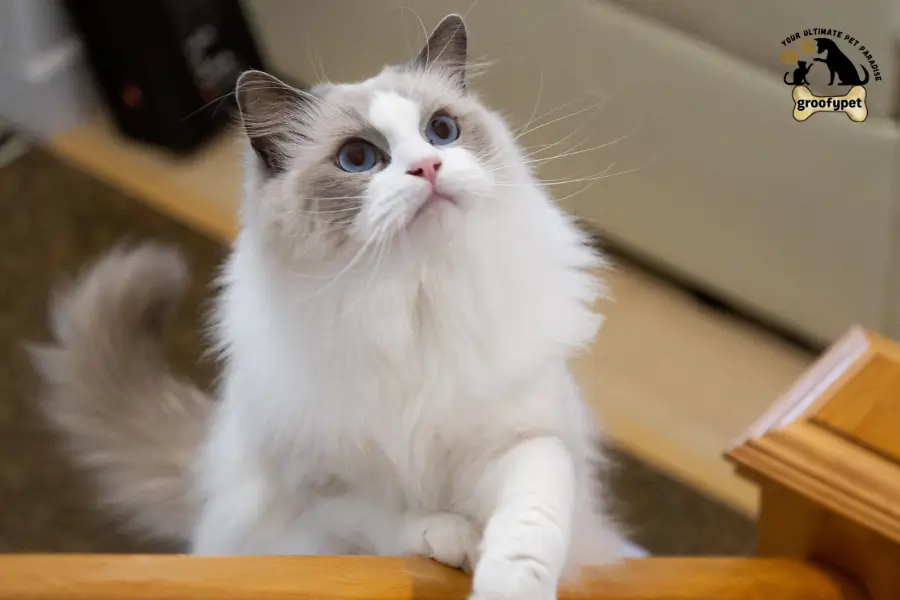
Leaving a calico ragdoll alone for very long stretches of time on a regular basis is not ideal because they thrive on interaction and companionship. If your schedule keeps you away from home a lot it is a good idea to consider getting a companion pet to keep them company.
Grooming tips for a calico ragdoll
- Grooming is an important part of caring for a calico ragdoll cat but it is not as demanding as you might expect from a long-haired breed.
- The ragdoll coat does not have the thick dense undercoat that many other long-haired cat breeds have which means it does not mat as quickly or shed as heavily.
- Brushing your cat two to three times a week with a stainless steel comb or soft slicker brush is usually enough to keep the coat smooth and tangle-free.
- During seasonal shedding periods in spring and autumn you may want to increase brushing frequency to reduce the amount of loose hair around your home and to prevent hairballs.
- Beyond brushing there are other hygiene tasks that should be part of your regular routine. Clean the ears gently once a week using a soft damp cloth.
- Trim the nails every few weeks to keep them from getting too sharp.
- Brush the teeth using cat-safe toothpaste at least a few times a week to prevent tartar buildup and dental disease.
- Bathing is rarely necessary but can be done occasionally using a gentle cat shampoo if the coat becomes dirty or greasy.
- Keep grooming sessions short and positive by giving treats afterward so your cat associates the experience with something good.
Diet and nutrition needs of calico ragdoll cat
- Feeding your calico ragdoll cat the right diet makes a real difference to their long-term health coat quality and energy levels.
- Because ragdolls are a large muscular breed they need a diet that is high in animal protein.
- Look for cat food that lists a real protein source such as chicken turkey or salmon as the very first ingredient on the label.
- Avoid foods that rely heavily on corn soy or wheat as their primary ingredients because these provide very little nutritional value for cats.
- A combination of high-quality dry food and wet food is a popular approach among ragdoll owners.
- Wet food helps with hydration which is important for preventing urinary tract issues — a condition that ragdolls can be prone to.
- Fresh clean water should always be available. Because ragdolls have a fairly laid-back activity level they can be prone to weight gain so portion control matters.
- Avoid free-feeding large amounts and instead stick to measured meals two to three times a day.
- Talk to your vet about the ideal weight range for your specific cat and adjust food portions accordingly to keep them at a healthy body condition.
Health and lifespan of a calico ragdoll cat
- The calico ragdoll cat shares the same health profile as the standard ragdoll breed.
- They are generally healthy cats but there are a few conditions that owners should be aware of.
- The most significant is hypertrophic cardiomyopathy (HCM) which is a heart condition where the heart muscle becomes abnormally thick.
- HCM is the most common form of heart disease in cats and ragdolls have a genetic predisposition to it.
- Responsible breeders test their breeding cats for this condition so always ask about cardiac screening when getting a kitten.
- Beyond HCM ragdolls can also develop bladder stones and urinary tract infections so a well-hydrated diet is important.
- Obesity is another real concern given their calm and sometimes sedentary nature.
- Regular interactive play helps keep them active and at a healthy weight.
- Male calico ragdolls with Klinefelter syndrome may experience minor hormonal differences related to their XXY genetics but they can still live long happy lives with proper care.
- Routine vet checkups once or twice a year are the best way to catch any developing issues early.
How long does a calico ragdoll cat live?
With proper care and a healthy lifestyle the calico ragdoll cat can live between 12 and 20 years. The wide range reflects the fact that indoor cats consistently live longer than outdoor cats because they are protected from predators vehicles disease exposure and other outdoor hazards.
Keeping your calico ragdoll indoors is strongly recommended by most veterinarians and breeders. These cats do not have a strong survival instinct the way more independent breeds do and their gentle trusting nature makes them vulnerable in outdoor environments.
A cat that receives good nutrition regular vet care mental stimulation and daily affection is far more likely to reach the higher end of that lifespan range. The slow maturation of ragdolls means that they remain kitten-like in many ways well into adulthood which is one of the many reasons people fall so deeply in love with them. You get many years of that playful affectionate energy before they settle into the quieter pace of their senior years.
Where to find a calico ragdoll cat?
Finding a genuine calico ragdoll cat takes a bit of patience and research. Because they are not an officially recognized purebred variety most standard ragdoll breeders will not have them. Your best options include searching for breeders who specialize in ragdoll mixes or crossbreeds and checking local cat rescue organizations and animal shelters where these cats sometimes end up without anyone knowing just how special they are.
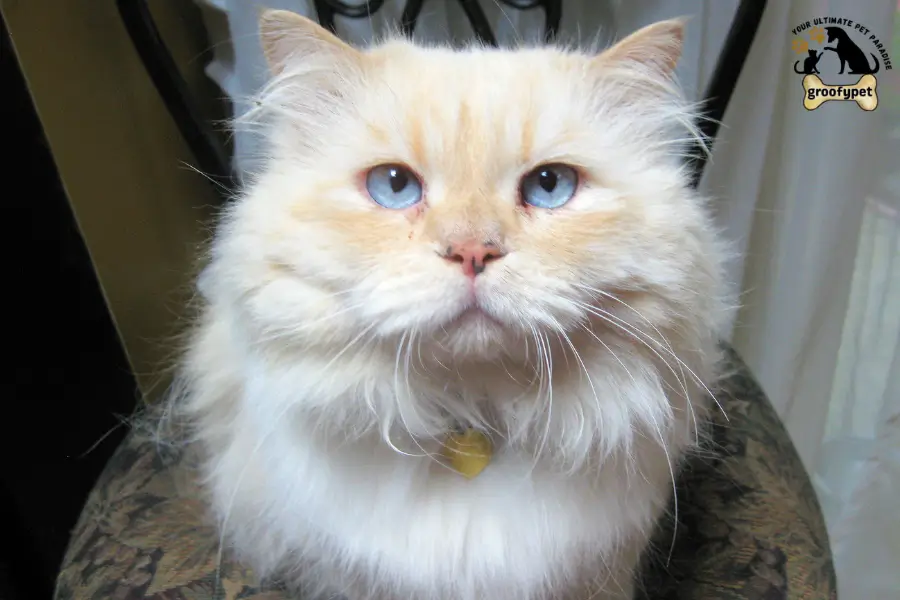
If you go through a breeder make sure they are transparent about the cat’s lineage and health testing history. A responsible breeder will provide documentation of genetic health screening especially for HCM and will let you visit and see the conditions the kittens are raised in.
Avoid breeders who make claims about a cat being a “purebred calico ragdoll” since that is genetically impossible — it is either a mixed breed or a tortie being misidentified. The calico ragdoll cat price can range from around $1,200 to over $5,000 depending on the breeder’s reputation and the quality of the cat’s parentage. Adoption from a shelter is always a wonderful and more affordable option if you are open to it.
Fun facts about the calico ragdoll cat
- The calico ragdoll cat comes with some genuinely interesting cultural and scientific background that makes it even more fun to own.
- In Japan the maneki-neko which is the famous “beckoning cat” figurine is modeled after a calico cat.
- These figurines are placed in shops and restaurants as symbols of good luck and prosperity.
- Japanese sailors historically kept calico cats on their ships believing they brought protection from storms and misfortune at sea.
- In the United States calico cats are sometimes called “money cats” which is another nod to the good fortune associated with them.
- From a scientific angle the calico pattern has been studied by geneticists as a visual example of X chromosome inactivation — a process where one of the two X chromosomes in a female cell is randomly switched off. This process is what creates those random patches of different colors.
- Every patch on a calico cat represents a group of cells where one particular X chromosome was active.
- It is essentially a living map of gene expression and that is just endlessly fascinating when you think about it.
Frequently Asked Questions
Can a purebred ragdoll cat be calico?
No. The CFA breed standard does not include calico as an accepted ragdoll coat color. The ragdoll is a pointed breed and does not carry the gene needed to produce a true calico pattern. Any ragdoll with calico coloring is almost certainly a mixed breed or the result of crossbreeding with another breed that carries the calico gene such as a Persian or American Shorthair.
Why are almost all calico ragdoll cats female?
The calico coat pattern is linked to the X chromosome. Female cats have two X chromosomes and can carry two different color genes simultaneously which creates the three-color pattern. Males only have one X chromosome so they cannot normally express two colors at once. Male calico cats occur only when they have an extra X chromosome (XXY) — a condition known as Klinefelter syndrome.
How much does a calico ragdoll cat cost?
Prices typically range from around $1,200 to over $5,000 depending on the breeder’s reputation and the quality of the parent cats. Adopting from a rescue shelter is a much more affordable option and gives a deserving cat a loving home.
What is the lifespan of a calico ragdoll cat?
With proper indoor care a calico ragdoll can live between 12 and 20 years. A high-quality diet regular vet checkups and a safe indoor environment are the key factors that determine how long they live.
Are calico ragdoll cats good for families?
Absolutely. Their calm docile temperament makes them excellent with children other cats and even dogs. They are patient tolerant and deeply social which makes them one of the best choices for family households looking for a gentle and affectionate feline companion.
What is the difference between a calico and a tortie ragdoll?
A calico has three colors — white black and orange. A tortie has only black and orange with no white. The tortoiseshell pattern is officially recognized by the CFA for ragdolls but the calico pattern is not.
Do calico ragdoll cats have health problems?
They can be prone to hypertrophic cardiomyopathy bladder stones and obesity — the same conditions that affect standard ragdolls. Regular vet checkups and a protein-rich balanced diet help manage and prevent most of these conditions effectively.
Final Thoughts
The calico ragdoll cat is genuinely one of the most captivating animals you can share your home with. It brings together everything people love about ragdolls — the calm gentle personality the large fluffy body the ability to get along with everyone in the household — and wraps it all in a coat that is completely one-of-a-kind.
Yes it is technically a mixed breed. Yes it is not recognized by major cat breed registries like the CFA or TICA. But for the people who own one none of that matters even slightly. What matters is the way this cat curls up beside you on the couch. What matters is the way it follows you from room to room like a soft colorful shadow.
What matters is the way those blue eyes look at you from a face painted in three perfect colors. If you are ready for a rare loving and genuinely beautiful companion the calico ragdoll cat might just be the best decision you ever make for your home.
Are Tuxedo Cats Aggressive? Learn the Reasons Behind Their Behavior