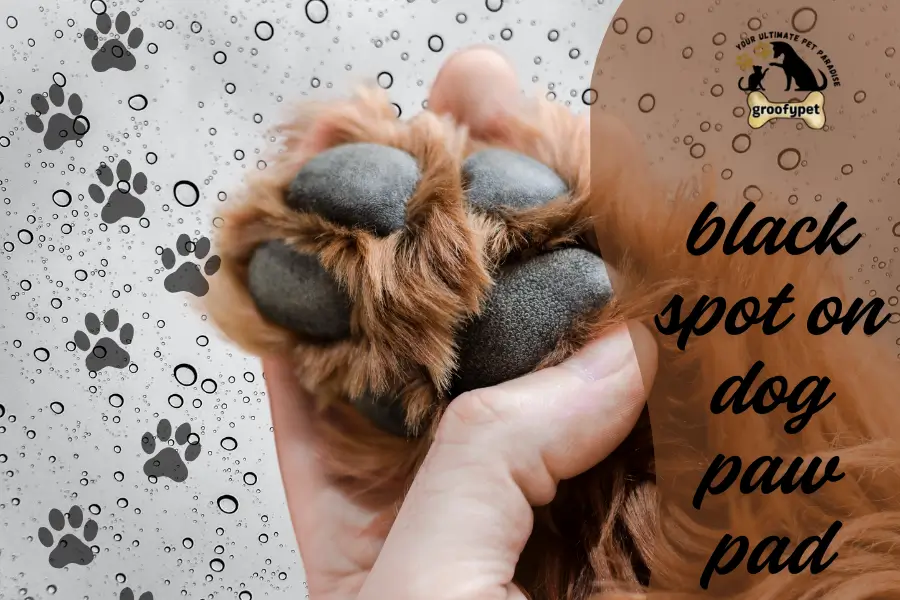
A black spot on a dog paw pad is more common than many owners realize. Dogs can develop dark spots from allergies, minor injuries, infections, or simple pigmentation changes. Most spots are harmless, but some may need close attention if they grow, bleed, or make your dog lick the area too much.
Knowing the possible causes helps you catch problems early and keep your dog comfortable.Have you ever looked at your dog’s foot and wondered why there is suddenly a black spot on the dog paw pad? It can appear out of nowhere and leave you unsure whether it is dirt, an injury or something serious.
Many owners feel confused when they see a dark patch or tiny dot on the pad, especially if their dog keeps licking it.Understanding what these spots mean can help you decide when i is s normal and when it’s a problem. Seeing a black spot on your dog’s paw pad can make you worry right away.
You may not know if it is caused by allergies, a cut, a growth, or something dangerous like melanoma. Your dog may start licking or limping which only adds to your stress as you try to figure out what is wrong.
Many owners feel overwhelmed because they want to help their dog but are not sure what the spot means or how to treat it. Your dog paws go through a lot every day so spotting changes is normal. But when you notice a black spot on the dog paw pad, it can instantly grab your attention.
Sometimes it is a tiny harmless mark and sometimes it signals irritation or infection. Paying close attention to these spots helps you protect your dog paws and catch any early signs of trouble.
A black spot can come from natural skin changes, or it can appear after mild rubbing. It can also happen from dryness or tiny cuts. Most spots look harmless at first sight. Still, it is always good to check the spot with care. This helps you understand if it is normal or needs attention.
Why dogs get black spots on their paw pads?
Dogs can develop a black spot on dog paw pad for many reasons. Some dogs are born with darker skin that grows deeper in color over time. This is a natural pigment change. Some spots appear from long walks on rough roads. These spots form because the paw pads take pressure every day.
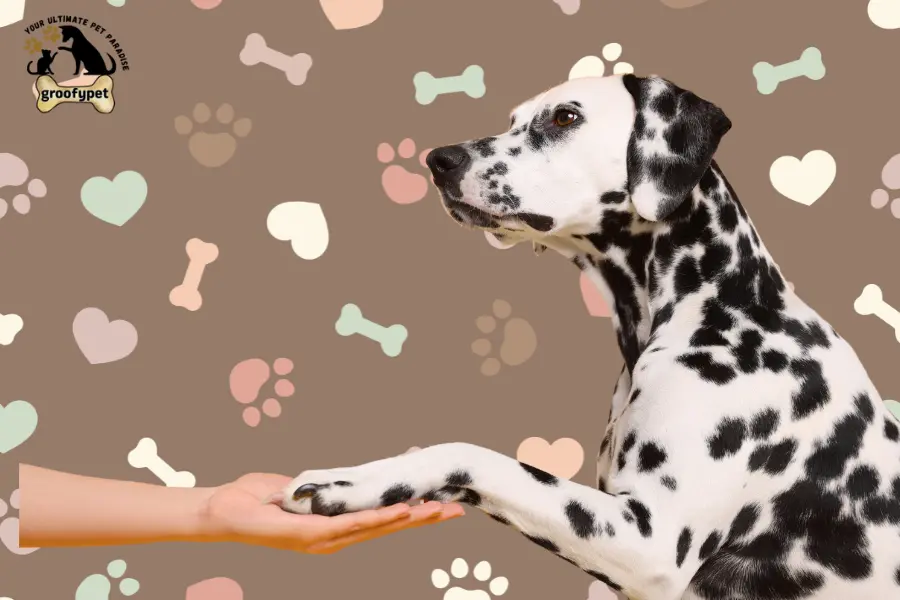
Dogs also pick up dirt that sticks to the skin and forms a dark mark. Age also plays a role as older dogs often get darker pads. Sometimes dry skin turns dark when it builds up into a thick layer. Mild rubbing or friction can also form a dark rough patch. These reasons make the spot common in many dogs.
Common causes of a black spot on dog paw pad
Below are the most common reasons your dog may have a dark area on the bottom of the paw. Many of these causes are mild and easy to manage. Still, some need care if the spot grows or becomes painful.
1. Hyperkeratosis
Hyperkeratosis makes the paw pad thick and rough. This happens when the body makes too much skin. The extra skin forms a dark patch that looks like a black spot on dog paw pad. It may feel hard when you touch it. This condition appears more in older dogs.
Dogs that walk on hard surfaces can also get it. Sometimes it shows up without a clear reason. The spot may get bigger if you do not trim the thick skin. A soft balm helps slow down dryness and cracking.
2. Allergies
Allergies can create skin changes on the paws. When a dog licks or bites due to itching, the skin becomes dark. The dark patch can look like a black spot. Food allergies or outdoor allergies can trigger this. Dust, grass, and pollen cause many reactions.
Dogs with allergies often show red skin around the dark patch. Their paws may stay moist due to constant licking. Over time the skin turns darker and thicker. Allergy care helps lighten the spot slowly.
3. Fungal or bacterial infection
A fungal or bacterial infection can form a dark area on the paw pad. The infection may start as a small red patch. After some days it becomes darker. The skin may look swollen as well. You may notice a smell from the paw. Dogs may limp due to discomfort.
The black spot on dog paw pad may crack or look wet. Infections spread fast if left untreated. Cleaning and medicine help clear the dark area.
4. Injuries or cuts
Small cuts or burns can heal with a dark mark. This mark can appear as a black spot. Dogs that walk on hot roads get burns easily. Sharp stones or thorns can cause tiny wounds. These wounds look harmless at first but turn dark after healing.
The skin forms a protective layer. This layer becomes thick and black. You may see your dog lick the paw often. Cleaning the paw helps it heal with less darkness.
5. Parasites
Parasites like mites or fleas can irritate paw pads. The irritation leads to scratching. Too much scratching darkens the skin. A black spot on dog paw pad may follow the irritation. Some parasites burrow under the skin.
This causes bumps or small dark holes. These spots may feel warm when touched. Dogs with parasites often chew on their paws. Treatment removes the parasites and reduces the dark mark.
6. Foreign objects
Tiny stones or sand can stick to the paw. Over time they rub the skin and form a dark spot. Your dog may walk on rough ground and pick up sharp bits. These bits get stuck inside the paw pad. The area becomes hard and dark.
The skin protects itself by forming a thick layer. The spot may grow if the object stays inside. A gentle check helps remove the stuck piece. After removal the spot becomes lighter.
7. Paw pad cysts or growths
A cyst forms when oil or skin cells get trapped. This creates a small lump. The lump may turn dark and look like a black spot. Some cysts stay small. Others grow and cause pain. Growths can also form when skin tissue develops more than needed.
These growths may feel soft or firm. Dogs may lick or chew the lump. A vet can check if it is harmless or not. Treatment depends on the type of cyst.
Signs that the black spot is normal
Many black spots are normal and safe. A normal spot feels smooth when you touch it. It stays the same size for weeks. Your dog walks without pain. The skin around the spot looks healthy. There is no smell or discharge.
The paw pad does not feel hot. A normal black spot on dog paw pad stays flat. Your dog ignores the spot most of the time. Normal spots often show natural pigment changes.
Signs that the black spot is not normal
Some black spots need attention. A bad spot grows quickly. It may look raised or swollen. It may smell bad or feel warm. Your dog may limp or avoid using the paw. You may see bleeding or cracking. Some spots become moist and sticky.
Your dog may lick the spot again and again. A spot that affects walking is not normal. In such cases a checkup helps your dog feel better.
When a black spot is a callus?
A callus is a rough patch that forms from pressure. It is common in big dogs and active dogs. The callus looks like a dark thick area. It often shows up on elbows, but it can appear on paw pads too. A callus feels hard and dry. It grows slowly and stays harmless.
The black spot on dog paw pad from a callus does not hurt. A balm helps soften the skin. Warm water soaks also ease dryness. Regular trimming keeps the callus small.
When a black spot means an infection?
An infection turns the paw pad dark and swollen. You may see redness around the dark area. The paw may feel warm or moist. Dogs with infections lick the paw often. They may show pain when walking. Some infections release pus or a foul smell.
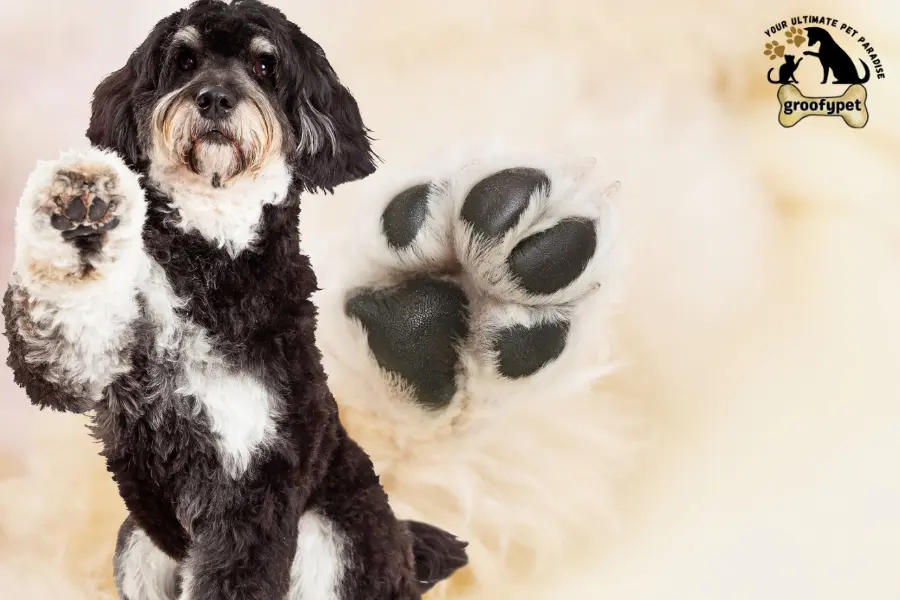
The spot may crack or bleed. The black spot on dog paw pad may spread fast. Cleaning helps, but medicine is needed to clear the infection fully.
How to diagnose a black spot on dog paw pad?
You can start by looking at the spot in good light. Check the size and shape. Feel the texture with gentle pressure. Look for swelling or dryness. Watch how your dog walks. Check if the spot changes over days. If the spot grows or becomes painful, a vet visit helps. A vet may check for infection, allergies, or cysts. Early checks prevent bigger problems later.
Safe home care steps
Home care helps many mild spots heal faster. Always clean the paw gently. Keep the paw dry after cleaning. Trim the fur around the paw so you can see the spot clearly. A soft balm helps reduce dryness. Try to keep your dog from licking the paw. Use dog socks when needed. Watch the spot for changes. If the spot worsens, seek help.
1. Clean the paw gently
Use warm water to clean the paw. This removes dirt and dust. Dry the paw with a soft cloth. Gentle cleaning keeps infection away. Do not use harsh soap. Harsh soap makes the skin dry. Cleaning helps you see the black spot on dog paw pad better. It also helps you spot swelling early. Clean daily if your dog plays outside.
2. Trim fur around the paw
Long fur hides the skin. It traps moisture and dirt. Trimming makes it easy to check the spot. Use small scissors carefully. Keep the fur short around the black spot. This helps the skin breathe. It also reduces licking. Trim slowly so you do not hurt the paw. Clean after trimming.
3. Keep the paw dry
Moisture makes dark spots worse. Always dry the paw after walks. Use a clean cloth. Wet paws attract dust and germs. A dry paw heals faster. Moisture can turn the black spot on dog paw pad soft and painful. Drying helps prevent that. Check between the toes for hidden moisture.
4. Use a paw balm
A soft balm reduces dryness. It keeps the skin smooth. The balm helps calluses stay small. It also prevents cracks. Look for balms made for dogs. Use a small amount daily. Balm protects the dark spot from rubbing. Over time the spot becomes less rough.
5. Add soft paw protection
Dog booties protect paws from rough roads. They also keep the skin clean. Booties help dogs with sensitive paws. They reduce friction that forms dark spots. Soft protection helps the black spot on dog paw pad stay harmless. Use them during long walks. Make sure they fit well and feel comfy.
Medical treatments a vet may suggest
A vet may give medicine for infections. Antibiotics help bacterial spots heal. Antifungal creams help fungal spots. Allergy care reduces itching. Some spots need trimming of thick skin. Cysts may need drainage or removal. Pain relief helps dogs walk better. A vet checks the cause before treatment. Medical care helps the dark spot fade faster.
How to prevent black spots on dog paw pads?
You can prevent many dark spots with simple steps. Keep paws clean every day. Check them after walks. Avoid long walks on hot roads.
Use booties when needed. Keep nails trimmed so the dog walks well. Feed a healthy diet for strong skin. Keep your dog at a healthy weight to reduce pressure on paws. Healthy skin stays bright and smooth.
Breeds that may get black spots more easily
Some breeds get dark spots more often. Dogs with dark paw pigment show more spots. Active breeds like labs and shepherds get rough paws. Heavy breeds like mastiffs get more pressure marks. Senior dogs also develop dark patches.
Dogs with dry skin produce more rough spots. Dogs with allergies may get dark areas from licking. Each breed reacts differently.
Are black spots on dog paw pads dangerous?
Most black spots are harmless. Some are normal pigment marks. Some come from mild rubbing. Still a few spots may signal infection. A harmful black spot on dog paw pad grows fast. It may hurt your dog. It may bleed or smell. If your dog shows pain, check the paw soon. A quick check keeps your dog safe.
How long black spots take to heal?
Healing time depends on the cause. A mild mark heals in a few days. A callus may take weeks to soften. An infection needs medicine and time. Allergy spots heal when the itching stops. Injuries heal quickly if kept clean. Spots from cysts need treatment to go away. Early care shortens healing time.
Can puppies get black spots on paw pads?
Puppies can also get dark spots. Their skin grows fast. Pigment changes are common. Some spots appear from rough playing. Puppies lick their paws often. Licking turns the skin darker. A black spot on dog paw pad in puppies is usually mild. Still check for cuts or infection. Clean paws often to keep them safe.
Can weather cause black spots on paws?
Hot weather makes paw pads dry. Dry pads turn dark with time. Cold weather cracks the pads. Cracks heal with dark marks. Wet roads keep paws moist. Moisture causes irritation. These changes form dark patches. Seasonal care helps prevent this. Keep paws protected during harsh weather.
Do black spots return after healing?
Some spots return if the cause stays. Calluses grow again with pressure. Allergy spots return with triggers. Spots from dryness return if skin stays dry. Infections may return without full treatment. Keep checking the paws daily. A clean paw heals better. Stop licking habits early. This reduces the return of the black spot on dog paw pad.
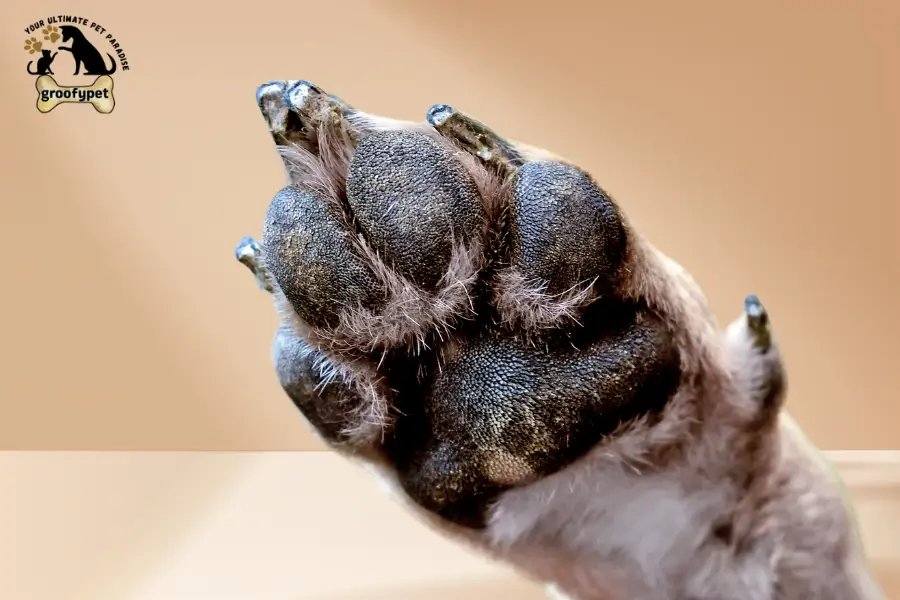
What are the black spots on my dog paws?
Black spots on a dog’s paws are usually harmless marks. Many dogs have natural skin pigment that turns darker as they grow. Some spots form from rubbing, dryness, or walking on rough ground. Dirt can also make the paw look darker.
Sometimes a spot comes from a small injury or mild infection. If the spot looks smooth and your dog walks without pain, it is normal. If the spot is swollen, bleeding, or smells bad, it needs care.
Black spots on pads of dog feet
Black spots on the pads of a dog’s feet appear due to normal skin color or pressure on the paws. Dogs that walk a lot on hard roads often get darker pads. Some spots show up when the skin becomes dry. A small cut can also heal with a dark mark. These spots are common in many breeds. Check the spot if your dog limps or licks the paw too much.
Why does my dog have black spots on her paws?
Your dog may have black spots from natural pigment or age changes. Many dogs get darker skin as they get older. Some spots form from friction or dryness. Dogs with allergies may lick their paws and create dark marks. Heat, cold, and rough surfaces can also cause dark patches. If the spot changes shape or becomes painful, it is safer to check with a vet.
Spots on dog paw pads
Spots on dog paw pads can be light or dark. Some spots are normal and show up as pigment marks. Others form from rubbing or tiny injuries. A spot can also appear from dryness, infection, or a cyst. Look at the size, color, and texture. A healthy spot stays the same for many days. A harmful spot grows fast and may smell or bleed.
Paw black spots
Paw black spots are dark patches that form on the paw pads. They can be soft or rough. Most black spots come from natural color changes. Some appear due to walking on rough ground. Dry skin can also create a dark patch. If the spot is smooth, dry, and painless, it is normal. If it causes limping, it needs care.
Black spot on dogs pad
A black spot on a dog’s pad is a small dark area that appears on the bottom of the paw. It may come from pigment, dryness, friction, or a healed wound. Many dogs get these spots as they get older. A normal spot feels smooth and does not hurt. If the spot looks cracked, swollen, or gives off a smell, it may be infected.
Why You May See a Black Spot on Your Dog’s Paw Pad?
You may find a black spot on your dog’s paw pad when you check their feet after a walk. Sometimes it is only a tiny black spot on the dog paw pad, and it looks harmless. Many dogs also start licking their paws when black spots appear because the skin feels itchy or irritated.
Some dogs grow black spots on top of the dog paw that look rough or dry. You may even notice black dots in between the dog’s paws, which can come from dirt, yeast, allergies, or mild infections. In rare cases, a dark lump may look like a black growth on the dog paw, and this can worry any owner.
Some dark growths may even look similar to melanoma on a dog’s paw, so it is important to watch the area and check for changes. If you are worried, you can compare with growth on dog paw pad pictures, but a vet visit gives the safest answer.
How to Treat Black Spots on Dog Paw Pads at Home?
You can start by cleaning your dog’s paw with warm water and a mild pet-safe wash. This helps remove dirt hiding as black dots in between the dog’s paws. If your dog keeps licking paws with black spots, gently dry the area and use an anti-itch spray made for dogs.
When you see a tiny black spot on the paw pad, it may be a healed scar or a callus, and it often goes away on its own. For a black spot on top of the dog paw, you can apply a paw balm to soften the skin. But if you notice any black growth on the dog paw that gets bigger, changes shape, or bleeds, call your vet.
These signs can sometimes look like melanoma on a dog’s paw, which needs quick care. Always let a vet check anything that matches what you see in growth on dog paw pad pictures, especially if the spot looks raised or new.
Frequently Asked Questions
Why does my dog have a sudden dark spot on the paw pad?
It may be a pigment change or a mild injury. Clean the paw and watch it for a few days.
Is a black spot always harmful?
No. Many black spots are normal and harmless.
Should i worry if my dog licks the spot?
Licking can make the spot worse. Try to stop the habit.
Can i use human cream on the paw pad?
No. Use products made for dogs only.
How do i know if the spot is infected?
Bad smell, swelling, heat, or pus are signs of infection.
Can walking on hot roads cause dark spots?
Yes. Heat can burn the paw pad and form a dark mark.
Should i visit a vet for all black spots?
No. Only visit if the spot grows or causes pain.
Final Thoughts
A black spot on dog paw pad is common in many dogs. Most spots stay harmless and small. Some spots form from rubbing, dryness, or pigment changes. A few spots need care if they come from infection or injury. Daily checks help you notice changes early.
Clean paws stay healthy. Gentle care keeps your dog comfortable. When you see a new spot, watch it closely. With the right steps your dog’s paws stay soft, safe and happy.
Dog Skin Allergy Treatment at Home: 10 Powerful Ways to Soothe the Itch Fast!
Can Dogs Eat Egg White or Yolk? Benefits, Risks, and Expert Feeding Tips!