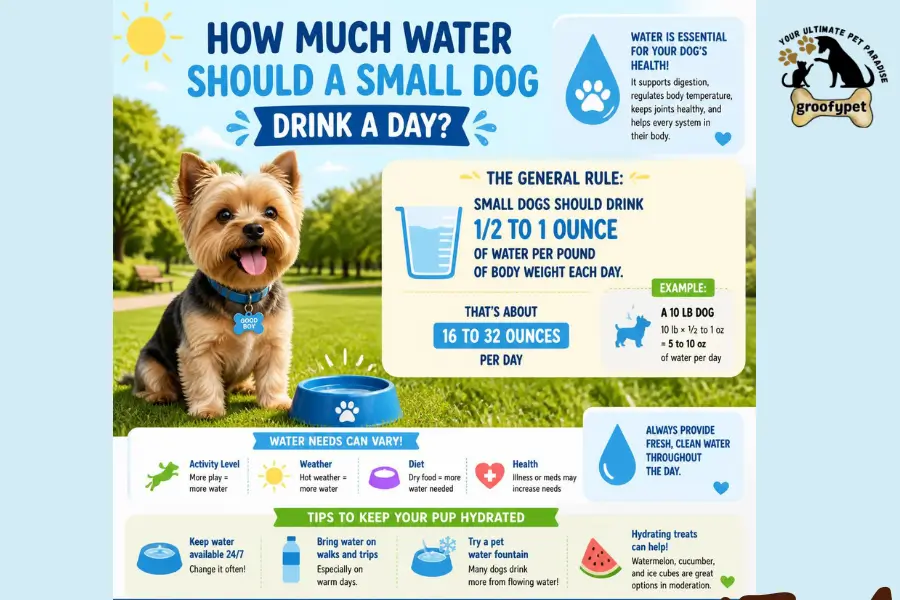
How much water should a small dog drink a day? A healthy adult small dog generally needs somewhere between 44 and 66 mL of water per kilogram of body weight each day, which works out to roughly 0.65 to 1 ounce per pound. That means a 10-pound dog typically drinks about 7 to 10 ounces (200–300 mL) daily under normal conditions.
This is a starting point, not a fixed rule. Body weight matters, but so does diet, activity, weather, and health. No two small dogs drink exactly the same amount. A 6-pound Chihuahua lounging indoors in air conditioning has very different needs than a 20-pound terrier mix that spends afternoons at the dog park in July.
Fresh water should be available at all times, and the numbers below are meant to help you recognize what’s normal for your dog not to be measured out with a kitchen scale every day.
How Much Water Should a Small Dog Drink a Day?
A healthy adult small dog typically needs about 44–66 mL of water per kilogram of body weight per day, or roughly 0.65–1 ounce per pound, according to general veterinary nutrition guidelines. For a 10-pound dog, that’s approximately 7–10 ounces (about 200–300 mL) daily.
Puppies, nursing dogs, highly active dogs, and dogs in hot weather usually need more. This figure covers total water intake, including moisture from food, not just what’s in the bowl.
Quick Water Chart by Weight
The table below applies the general 44–66 mL/kg guideline referenced in veterinary nutrition resources. Treat these as approximate ranges, not exact prescriptions; some dogs will fall slightly outside them and still be perfectly healthy.
| Dog Weight | Approx. Water Per Day (mL) | Approx. Water Per Day (oz) | Approx. Cups |
|---|---|---|---|
| 5 lb (2.3 kg) | 100–150 mL | 3.4–5 oz | ~0.4–0.6 cup |
| 10 lb (4.5 kg) | 200–300 mL | 7–10 oz | ~0.9–1.25 cups |
| 15 lb (6.8 kg) | 300–450 mL | 10–15 oz | ~1.25–1.9 cups |
| 20 lb (9.1 kg) | 400–600 mL | 13.5–20 oz | ~1.7–2.5 cups |
| 25 lb (11.3 kg) | 500–750 mL | 17–25 oz | ~2.1–3.1 cups |
One US fluid ounce equals approximately 29.57 mL, and one cup equals 8 fluid ounces. These figures are general estimates for healthy adult dogs in normal conditions, not individualized medical guidance.
[Suggested placement: an interactive Dog Water Calculator here, where readers enter weight, unit (lb/kg), age group, activity level, climate, and diet type to get a personalized daily range in ounces, cups, mL, and liters.] Label it clearly as an estimate that doesn’t replace veterinary advice.]
How Much Water Does a Small Dog Need by Weight?
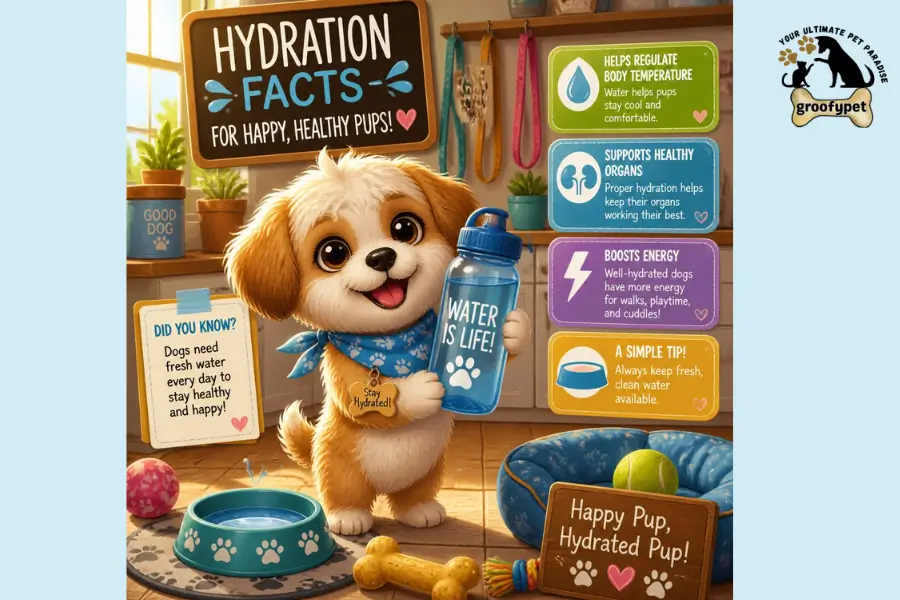
Body weight is the most useful starting point for estimating water needs because larger bodies have more total water content and higher metabolic water turnover. But weight alone doesn’t tell the whole story a dog’s diet, environment, and health status all shift the number up or down.
Two simple formulas cover most of what you need:
- Daily water estimate ≈ body weight in pounds × 0.65 to 1 ounce
- Daily water estimate ≈ body weight in kilograms × 44 to 66 mL
The Merck Veterinary Manual notes that in a thermoneutral (comfortable, moderate temperature) environment, most mammals, including dogs, need approximately 44 to 66 mL of water per kilogram of body weight, and that individual variation is normal.
It also points out that healthy animals given free access to water can generally regulate their own intake, which is why water restriction isn’t recommended outside specific veterinary instructions.
To use the formula, convert your dog’s weight to kilograms (divide pounds by 2.2) or use pounds directly with the ounce version. Then multiply by the low and high ends of the range to get a daily total in mL or ounces, cups, or liters as needed.
How Much Water Should a 5-Pound Dog Drink?
A 5-pound dog (about 2.3 kg) typically needs somewhere around 100 to 150 mL of water per day, or roughly 3.5 to 5 ounces. That’s a small amount less than a cup, which is one reason toy breeds can look like they barely touch their water bowl even when they’re perfectly hydrated.
In practical terms, that’s about 6 to 10 teaspoons spread across the day, plus whatever moisture comes from food. If a 5-pound dog eats a canned or fresh diet, a meaningful portion of that total may come from the food itself, so the bowl amount alone can understate true hydration.
Because the total volume is so small, minor changes are easy to miss. Getting a sense of your dog’s normal drinking pattern over a few average days is more useful than comparing to a generic number every single day.
How Much Water Should a 10-Pound Dog Drink?
A 10-pound dog (about 4.5 kg) generally needs approximately 200 to 300 mL of water daily, or about 7 to 10 fluid ounces, roughly 0.9 to 1.25 cups.
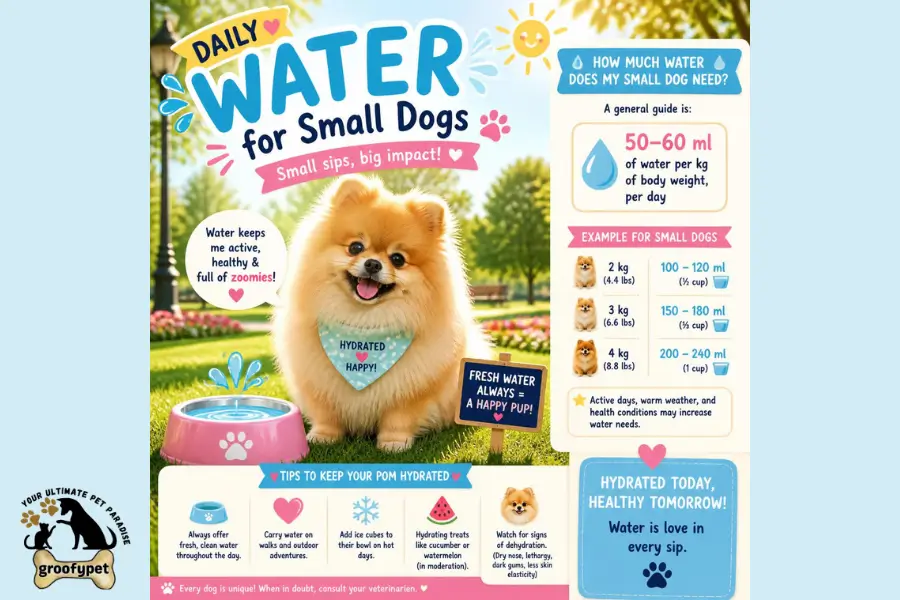
As a practical example, if you fill a dedicated measuring container with about 1 cup of water each morning and use only that container to refill the bowl throughout the day, you can get a rough sense of whether your dog’s actual intake sits near that range.
If the bowl needs refilling well beyond that amount consistently, or your dog barely touches it, those are both worth paying attention to, especially if the pattern is new.
Activity level matters here too. A 10-pound dog that goes on brisk walks or plays fetch regularly may land toward the higher end of the range, while a mostly sedentary senior dog of the same weight may sit lower.
How Much Water Should a 15-Pound Dog Drink?
A 15-pound dog (about 6.8 kg) typically needs roughly 300 to 450 mL per day, or about 10 to 15 ounces, close to 1.25 to 1.9 cups. At this weight, the difference between a dry-food diet and a wet-food diet becomes more noticeable in bowl consumption.
A 15-pound dog eating mostly kibble may drink toward the upper end of this range or slightly beyond it, while one on canned or fresh food may drink visibly less from the bowl while still meeting total hydration needs through food moisture.
Temperature and exercise also shift this number. A 15-pound dog on a hot afternoon walk will often drink noticeably more that day than on a cool, low-activity day, and that’s expected, not a red flag on its own.
How Much Water Should a 20-Pound Dog Drink?
A 20-pound dog (about 9.1 kg) generally needs around 400 to 600 mL daily, or approximately 13.5 to 20 ounces, or roughly 1.7 to 2.5 cups. To monitor this at home, start with an empty bowl in the morning, fill a separate labelled container with about 2 cups of water, and use that container exclusively to refill the bowl for 24 hours. At the end of the day, check how much is left.
Doing this for a few typical days (not just one) gives a more reliable baseline than a single day, since normal drinking can vary day to day with activity and weather.
If you notice your dog consistently needing refills well beyond this range, or the bowl staying mostly full when it’s usually empty, those changes are worth tracking and mentioning at your next veterinary visit.
Factors That Change How Much Water a Small Dog Needs
The formulas above are a starting point. Several everyday factors can shift a dog’s real water needs meaningfully above or below the general range.
Hot Weather
Dogs cool themselves primarily through panting, which increases water loss through evaporation from the respiratory tract. In warm or humid weather, a small dog can lose considerably more water than usual just from regulating body temperature, so thirst and intake typically rise along with the heat. This is expected and generally healthy, as long as fresh water is always available.
Exercise
Physical activity increases both panting and metabolic water use. A small dog that goes for a long walk, plays actively, or trains for an extended period will usually drink more afterwards to replace fluids lost during exertion. Owners of highly active small breeds should expect intake to vary more from day to day than it would for a mostly sedentary dog.
Dry Food
Dry kibble contains relatively little moisture, typically in the range of 3% to 11% water, according to the Merck Veterinary Manual. Because so little water comes from the food itself, dogs eating primarily dry diets tend to drink more from the water bowl to make up the difference.
Wet Food
Canned and fresh diets are far more moisture-dense, often ranging from about 60% to over 87% water. A small dog eating mostly wet food can get a substantial share of its daily water needs directly from meals, which is why these dogs often drink noticeably less from the bowl. That’s normal, not a sign of dehydration, as long as the dog otherwise seems well.
Puppies
Puppies aren’t just small adult dogs; their bodies have a higher percentage of water, faster metabolisms, and less capacity to concentrate urine efficiently, so hydration needs are proportionally higher and can change quickly as they grow, are weaned, and become more active.
Young puppies transitioning off nursing often need water offered in small amounts more frequently rather than one large bowl left out, and their intake should be monitored more closely than an adult dog’s.
Senior Dogs
Older small dogs can develop kidney changes, dental issues, reduced mobility, or other age-related conditions that alter how much they drink or how easily they can get to the water bowl. A noticeable increase or decrease in an older dog’s drinking habits deserves closer attention than the same change would in a younger, otherwise healthy dog, since it can be an early sign of an underlying condition.
Pregnancy and Nursing
Water needs typically rise during pregnancy and increase substantially during nursing, since milk production requires significant additional fluid. A pregnant or nursing small dog’s hydration and overall nutrition should be guided directly by a veterinarian rather than a general weight-based formula, since needs can change quickly across different stages.
Illness and Medication
Certain health conditions and medications directly affect thirst and urination. Conditions such as kidney disease, diabetes, and some hormonal disorders can cause a dog to drink far more than usual, while other illnesses, including pain, nausea, or dental problems, can cause a dog to drink less.
Diuretic medications, some steroids, and other drugs can also shift normal water intake. Any unexplained or persistent change in drinking, especially alongside other symptoms, warrants a veterinary conversation.
Signs Your Small Dog Is Dehydrated
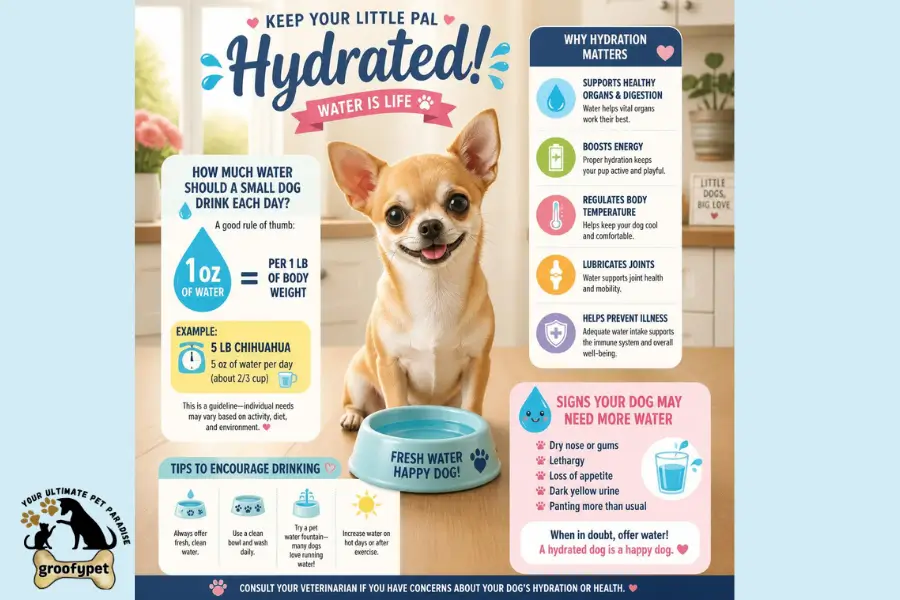
Mild dehydration can develop quietly, especially in small dogs, puppies, and seniors. Common signs include:
- Dry or sticky gums (healthy gums are typically moist and slick)
- Reduced energy or unusual lethargy
- Excessive or labored panting
- Sunken-looking eyes
- Reduced appetite
- Thick, ropey, or unusually sticky saliva
- Decreased urination or noticeably darker urine
- General weakness
None of these signs are exclusive to dehydration; several can also point to other health problems entirely. If you notice one or more of these signs, especially after heat exposure, vomiting, diarrhea, or reduced water intake, contact a veterinarian rather than trying to diagnose dehydration on your own. A vet can assess hydration status accurately through a physical exam and, if needed, bloodwork.
How Can I Tell If My Small Dog Is Drinking Enough Water?
A simple 24-hour tracking method can give you a clearer picture than guessing:
- Start with a completely empty water bowl in the morning.
- Measure a set amount of water into a separate labeled container.
- Use only that container to refill the bowl throughout the day.
- If you have multiple bowls or multiple pets sharing water, account for that in your measurement or separate pets temporarily if you need an accurate read on one dog.
- Add an estimate of water from wet food, broth toppers, or ice cubes if your dog eats these regularly.
- Compare the day’s total to your dog’s usual pattern rather than to a generic number alone.
Doing this over two or three typical days (not one unusually hot or unusually inactive day) gives a more reliable baseline. This kind of log is also genuinely useful if you ever need to describe a change in drinking habits to a veterinarian; having real numbers is more helpful than “he seems thirstier lately.”
Why Is My Small Dog Drinking So Much Water?
A short-term increase in thirst is often explained by ordinary causes:
- Hot weather or a warm indoor environment
- A recent increase in exercise or play
- A recent switch to a drier diet
- Stress, excitement, or a change in routine
However, persistent or significantly increased drinking, especially paired with increased urination, weight changes, or lethargy, can sometimes be associated with an underlying medical condition, including:
- Kidney disease
- Diabetes mellitus
- Liver disease
- Certain hormonal disorders (such as Cushing’s disease)
- Some medications, including certain steroids and diuretics
Thirst alone isn’t enough information to diagnose any of these conditions. If increased drinking is sudden, sustained over several days, or accompanied by other symptoms, it’s worth having a veterinarian evaluate your dog rather than waiting to see if it resolves on its own.
How Much Water Is Too Much for a Small Dog?
In veterinary medicine, sustained water intake above roughly 100 mL per kilogram of body weight per day is commonly used as a general reference point for polydipsia (abnormally increased drinking), though some veterinary sources place the threshold for concern somewhat lower, closer to 90 mL/kg/day in dogs.
For a 10-pound (4.5 kg) dog, that upper reference point works out to roughly 450 mL, or about 15 ounces, sustained day after day. That said, this number isn’t a line to wait for. A significant, sustained change from your dog’s own normal pattern, even if it’s technically below the general threshold, can still be meaningful for that individual dog and is worth mentioning to a veterinarian. Individual variation matters more than hitting an exact figure.
What If My Small Dog Is Not Drinking Enough Water?
If your dog seems to be drinking less than usual, or you’re trying to encourage better hydration generally, consider these approaches:
- Keep fresh, clean water available at all times, changed at least once or twice daily
- Wash water bowls regularly, since residue and bacteria can make water less appealing
- Offer multiple water stations around the house, especially in a multi-level home or multi-pet household
- Try a different bowl material, shape, or width; some dogs are sensitive to plastic taste or narrow bowls that touch their whiskers
- Add moisture to meals, such as mixing in a small amount of water or unsalted broth, if appropriate for your dog’s diet
- Discuss a diet change, including a switch toward wet or fresh food, with your veterinarian if reduced drinking is an ongoing concern
Never try to force water into a dog’s mouth, since this can cause choking or aspiration. If your dog is refusing water entirely, seems lethargic, or hasn’t had adequate fluids for more than a few hours in warm conditions, treat it as a reason to contact a veterinarian promptly rather than trying home remedies first.
Should Small Dogs Always Have Access to Water?
Yes. Healthy dogs should generally have continuous access to fresh, clean drinking water. Dogs are generally capable of self-regulating their intake reasonably well when water is freely available, and restricting access, for example, to reduce nighttime accidents during house-training isn’t typically recommended unless a veterinarian has specifically advised a modified schedule for a documented medical reason.
If you’re managing a young puppy’s overnight water access for house-training purposes, that’s a different, time-limited situation and should still ensure adequate hydration during waking hours.
Does Wet Food Count Toward a Dog’s Water Intake?
Yes, meaningfully. Canned and fresh diets typically contain a large percentage of moisture, often 60% to more than 87%, while dry kibble contains only about 3% to 11% water. That means total hydration includes water obtained through food, not just what’s consumed from the bowl.
A small dog eating primarily wet food may naturally drink noticeably less water directly from the bowl while still meeting its overall daily fluid needs through meals. This is a normal and expected pattern, not evidence of a hydration problem, and it’s one reason bowl-only observation can be misleading for dogs on moisture-rich diets.
Small Dog Water Intake vs. Large Dog Water Intake
Smaller dogs need less total water volume per day than larger dogs simply because they have less body mass. A 5-pound dog and a 50-pound dog obviously won’t drink the same number of ounces. But the more useful comparison isn’t bowl volume; it’s water intake relative to body weight, generally expressed as mL per kilogram or ounces per pound.
When water needs are considered per unit of body weight, small and large dogs generally fall into a similar general range, with the same influencing factors diet, activity, climate, age, and health applying across sizes. What changes with size is mainly the total volume, not the underlying principle.
When Should You Call a Veterinarian?
Contact a veterinarian if your small dog:
- Suddenly starts drinking much more than usual
- Suddenly drinks much less than usual, or stops drinking
- Has repeated vomiting or diarrhea, especially alongside reduced water intake
- Shows weakness, collapse, or severe lethargy
- Displays signs of dehydration, such as dry gums or sunken eyes
- Is urinating noticeably more often or in larger amounts than usual
- Has unexplained weight loss
- Cannot keep water down after drinking
- Shows any other concerning change in behavior alongside altered thirst
Sudden changes in thirst in either direction can sometimes signal an underlying medical problem that benefits from early evaluation. When in doubt, a phone call to your veterinary clinic is a reasonable first step, even if it turns out to be nothing serious.
Frequently Asked Questions
How much water should a 10-pound dog drink per day?
A 10-pound dog typically needs about 200 to 300 mL (roughly 7 to 10 ounces) of water per day under normal conditions, though activity, weather, and diet can shift this amount.
How much water should a 15-pound dog drink?
A 15-pound dog generally needs approximately 300 to 450 mL (about 10 to 15 ounces) of water daily as a general guideline.
How much water should a 20-pound small dog drink?
A 20-pound dog typically needs around 400 to 600 mL (roughly 13.5 to 20 ounces) of water per day, adjusted for activity level and climate.
Can a small dog drink too much water?
Yes. Sustained intake above roughly 90 to 100 mL per kilogram of body weight per day is generally considered excessive (polydipsia) and can indicate an underlying health issue that should be evaluated by a veterinarian.
How do I calculate my dog’s daily water intake?
Multiply your dog’s weight in pounds by roughly 0.65 to 1 ounce, or their weight in kilograms by roughly 44 to 66 mL, to estimate a general daily range. This is an estimate, not an exact requirement.
Do small dogs need more water in hot weather?
Yes. Heat increases water loss through panting, so small dogs typically need more water in hot or humid conditions to stay properly hydrated.
Does wet food count as water for dogs?
Yes. Canned and fresh diets are often 60% to over 87% moisture, so dogs eating wet food get significant hydration from meals and may drink less from the bowl as a result.
How much water should a small puppy drink?
Puppies generally need proportionally more water than adult dogs relative to body weight and should be monitored closely, with water offered in small, frequent amounts, especially around weaning.
Why is my small dog suddenly drinking so much water?
Sudden increased thirst can stem from heat, exercise, or diet changes, but it can also be linked to conditions like kidney disease, diabetes, or hormonal disorders. Persistent changes should be evaluated by a veterinarian.
Why is my small dog not drinking water?
Reduced drinking can result from dental pain, nausea, stress, unfamiliar water taste, or an unappealing bowl, but it can also signal illness. Reduced or absent drinking for more than a few hours, especially in warm weather, warrants veterinary attention.
Should I limit my small dog’s water at night?
Generally, water shouldn’t be restricted without veterinary guidance. If you’re managing overnight house training, limit the timeframe rather than overall daily access, and ensure your puppy gets adequate water during the day.
How can I tell if my small dog is dehydrated?
Common signs include dry or sticky gums, sunken eyes, lethargy, reduced appetite, thick saliva, and decreased urination. Since these signs can have other causes too, a suspected dehydration should be confirmed by a veterinarian.
Final Thoughts
Most healthy small dogs need somewhere around 44 to 66 mL of water per kilogram of body weight each day, or roughly 0.65 to 1 ounce per pound, but this range is a starting point, not a strict prescription. How much water should a small dog drink a day?Weight matters, but diet, activity level, climate, age, and health status all shift real-world water needs up or down, sometimes significantly.
The most useful thing you can do isn’t memorizing a formula; it’s knowing your own dog’s normal drinking pattern well enough to notice when something changes. Keep fresh water available at all times, pay attention to sudden increases or decreases in thirst, and watch for signs of dehydration after heat, exercise, or illness.
When drinking habits shift in a way that seems unusual or persistent, a veterinary visit is the right next step, since changes in thirst can sometimes be an early clue to conditions that are much easier to manage when caught early.
Can Dogs Eat Apple Cores?Risks,Benefits and Safe Alternatives!
Can Dogs Eat Skyflakes? Risks Benefits And Safe Alternatives!